Midfield overloads involve positioning extra players centrally to outnumber opponents, granting U.S. teams like those in MLS superior possession and space exploitation. This tactic, popularized by coaches drawing from Guardiola’s principles, dominates modern soccer, enabling 4v3 advantages that dictate tempo and unlock defenses.
Defining Midfield Overloads
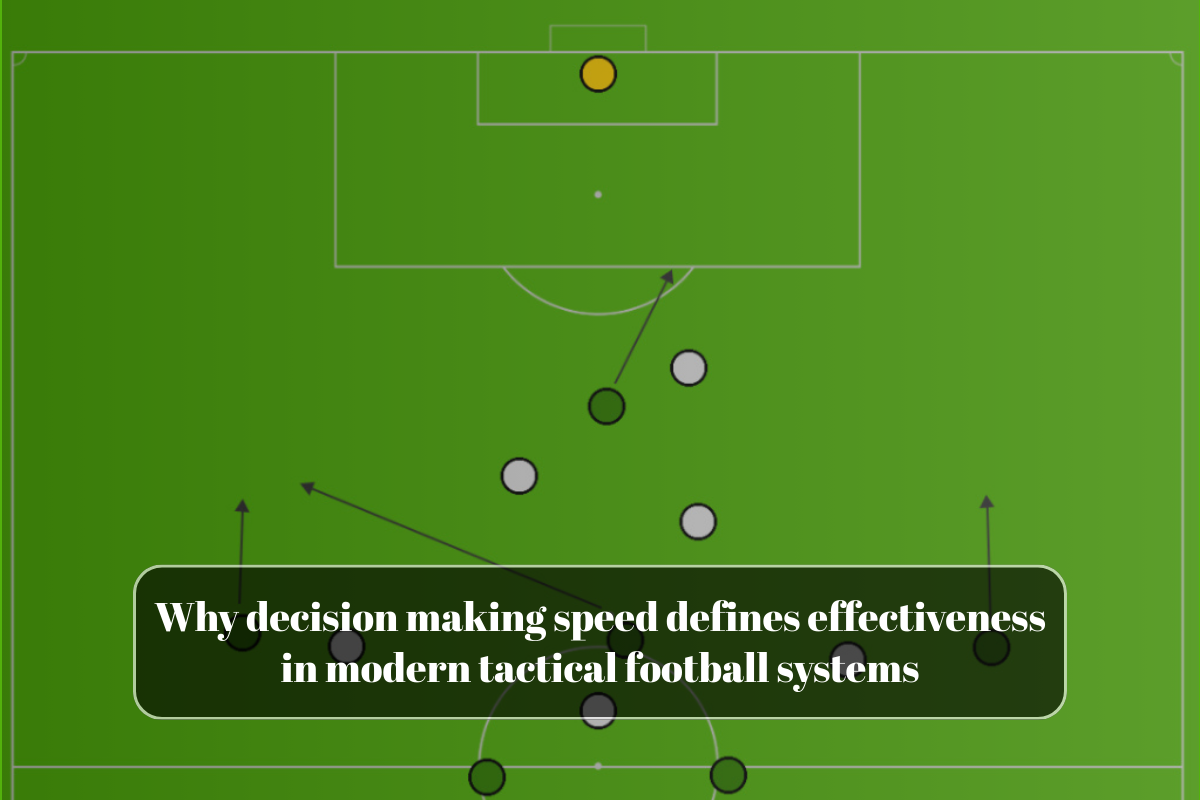
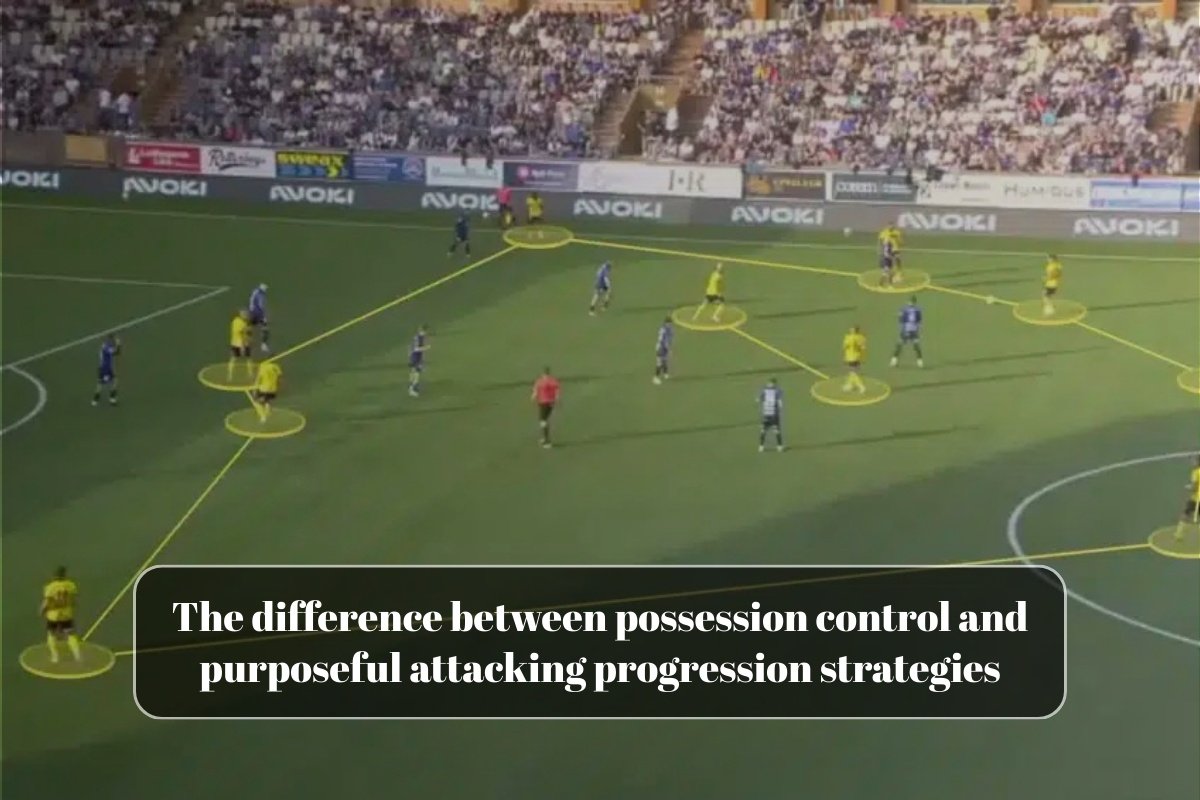
A midfield overload occurs when a team commits more players—often via rotations or inverted full-backs—to central zones, creating numerical superiority like 4v3 or 5v3. In USA contexts, MLS squads use this against compact blocks, forcing opponents into dilemmas: commit extra defenders centrally and vacate flanks, or spread thin and lose control. The “overload-to-isolate” principle draws markers away, opening passing lanes or 1v1s on wings.
Creating Numerical Superiority
Teams build overloads through dynamic movements. A No. 6 drops deep to lure pressers, No. 10 drifts between lines, and full-backs tuck in, turning 3v3 into 4v3+. U.S. youth and pro drills emphasize this: midfielders stagger depths for diagonal options, with wingers pinning wide to stretch space. In MLS, overlapping full-backs like Minnesota United’s create central pivots, recycling possession safely.
Mechanisms for Space Creation
Overloads exploit “lure and shock”: central dominance pulls midfielders out, exposing gaps behind via runs or switches. Dropping midfielders open half-spaces; defenders focus on 1v1s, freeing channels for wingers or strikers. Against high presses, overloads bypass first lines, forcing backlines to drop and elongate vertically—ideal for vertical passes in fast MLS transitions. Half-space focus disrupts compact teams, creating handover issues between lines.
Gaining Control and Possession
Central superiority ensures a “free man,” dictating tempo with short passes and rotations. Counter-pressing thrives from overloads, shortening recovery routes for quick regains. In competitive games, this sustains 60%+ possession, frustrating counters by blocking central progression. MLS midfield engines overload to control rhythm, as in 4-3-3 setups where three mids dominate before wide exploitation.
Tactical Examples from MLS and USA Soccer
MLS teams execute fluidly: full-backs invert for box midfields, No. 10s like Brandt create 3v2s post-drop. Minnesota United overlaps full-backs centrally, mimicking Guardiola’s false 9 or inverted roles for 4v3 edges. Youth academies drill 8v6 switches to overloads, emphasizing quick diagonals and underlaps. Real Madrid’s Vinicius benefits similarly, but U.S. adaptations suit league pace.
Exploiting Created Spaces
Once space emerges, teams isolate: switches to wide 1v1s (e.g., Vinicius-style), or progressive passes into half-spaces. Strikers drop for lay-offs, wingers cut inside, CAMs overlap. Against deep blocks, vertical runs stretch lines; underloads elsewhere balance risks. MLS stresses five-pass finishes post-overload for rapid goals.
Risks and Counter Strategies
Overloads risk exposure on transitions if unsynchronized, countered by compact shapes or midfield underloads. U.S. coaches mitigate via strong No. 6s (e.g., Rodri-like) for cover-shadows and rapid shifts. Balance prevents overcommitment, blending with wide play.
Coaching and Training in USA Context
US Soccer and MLS academies integrate overload drills: 40×20 grids for angles, 8v6 for switches. Focus on body shape, scanning, and decisions builds intuition. Progressions add pressing to simulate games.
Midfield overloads empower control and chaos creation in U.S. soccer’s competitive landscape.
Frequently Asked Questions (FAQs)
1. What creates a midfield overload?
Extra players centrally via drops, tucks, or rotations, forming 4v3+ advantages.
2. How do overloads generate space?
Lure defenders centrally, exposing flanks/half-spaces via “overload-to-isolate.”
3. Why do they enhance control?
Free man ensures possession dominance and effective counter-pressing.
4. Give an MLS example?
Full-backs overlap/invert for box mids, as Minnesota United builds centrally.
5. What counters midfield overloads?
Compact blocks, underloads, or rapid transitions exploiting turnovers.