Adaptability defines football players who thrive across leagues, from the high-octane Premier League to tactical Serie A or expansive MLS. Success demands adjusting to varied paces, styles, physicality, and cultures, turning potential flops into triumphs. Players mastering this skill extend careers and maximize potential in global football’s diverse ecosystems.
Mastering Tactical Variations
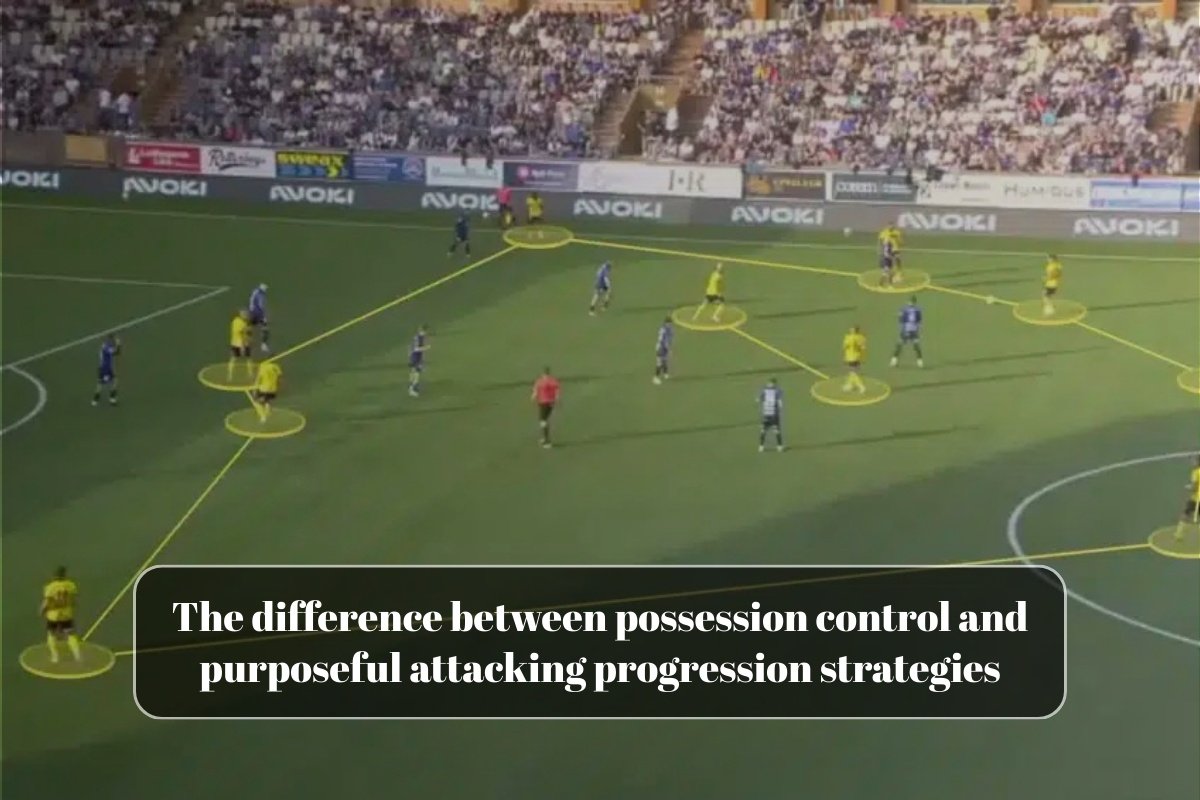
Leagues differ fundamentally: Premier League’s relentless pressing contrasts La Liga’s possession focus and Serie A’s defensive cunning. Adaptable players like Joshua Zirkzee shifted from Bologna’s tactical setup to Manchester United’s intensity, refining touches and movement for sharper integration. Those rigid in one style struggle; adaptability enables real-time tactical pivots, exploiting opponents while fitting team systems.
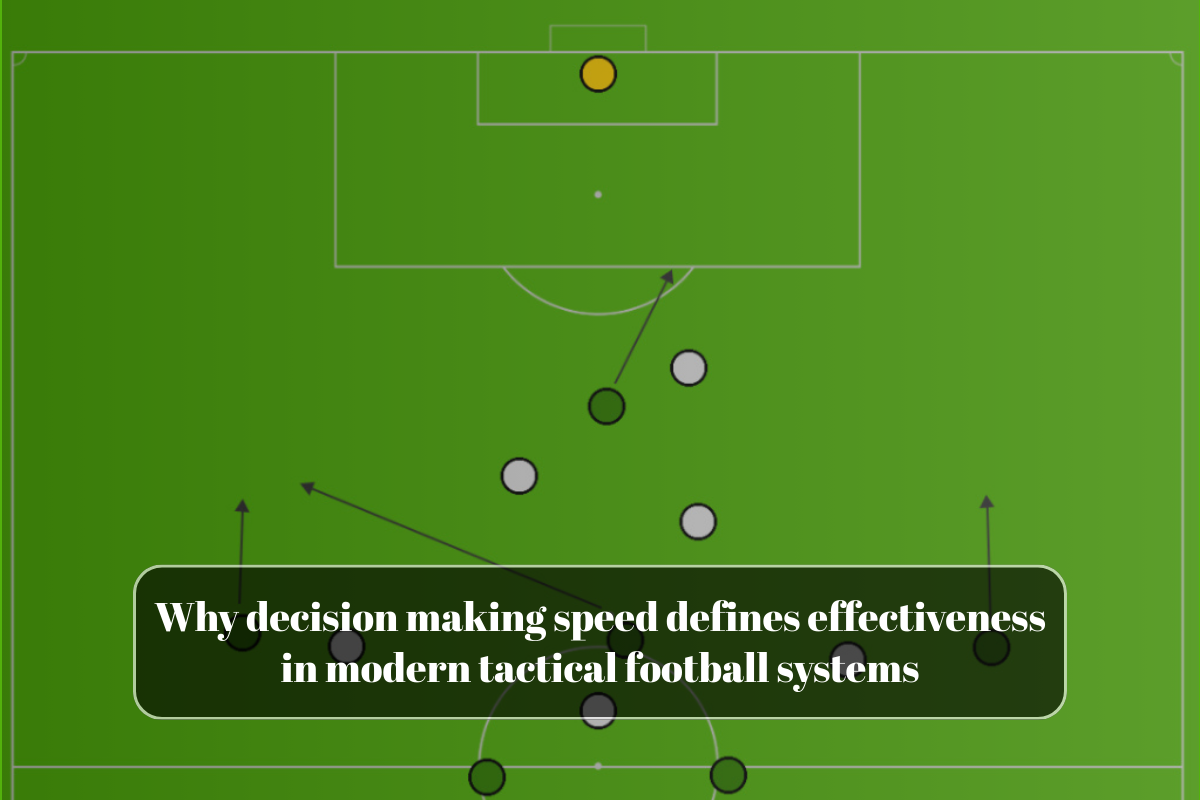
Training emphasizes versatile drills, preparing players for formations like 4-3-3 shifts or countering direct play with quick passing. This flexibility boosts performance, as seen in transitions where midfielders become defenders seamlessly.
Adjusting to Physical and Pace Demands
Premier League’s physicality and speed challenge Serie A imports, requiring endurance tweaks. Bundesliga’s high press suits athletic profiles, while MLS offers space but demands consistency. Players adapting build resilience, like those from MLS succeeding in Europe via enhanced fitness—Alphonso Davies from Vancouver to Bayern Munich exemplifies pace mastery.
Mental fortitude aids recovery from early struggles, with cross-training improving athleticism. Adaptability here prevents burnout, sustaining output across grueling schedules.
Embracing Cultural and Environmental Shifts
Overseas moves involve climate, fan expectations, and lifestyles—England’s weather tests Latin Americans, while MLS’s travel fatigues Europeans. Cultural assimilation fosters belonging; Son Heung-min’s Premier League dominance post-Bundesliga shows language and media adaptation fueling consistency.
Players embracing new roles or positions, like false nines thriving multidimensionally, gain edges. This holistic shift enhances cohesion and longevity.
Examples of Successful Cross-League Transitions
Rare feats like playing all top-five leagues highlight adaptability: Justin Kluivert hubbed via loans, scoring in Bundesliga’s press after Serie A. MLS exports like Tyler Adams (Bournemouth) and Miguel Almirón (Newcastle) navigated physical upgrades. Zirkzee’s EPL sharpening post-Italy proves time yields adaptation when embraced.
These stories underscore positional versatility—Phil Neville’s multi-role career—and mental recalibration as keys to multi-league stardom.
Developing Adaptability Through Training
Coaches foster it via scenario drills, position switches, and diverse opponents, building decision-making under pressure. Off-field prep like varied sports hones spatial awareness. Youth academies prioritize this, scouting versatile talents for global markets. Analytics track adjustments, refining skills proactively.
Mental training combats frustration, ensuring focus amid trailing scores or tactical tweaks.
Long-Term Career Benefits
Adaptable players command higher transfers, extend primes, and win titles across continents. They counter injuries via role fluidity and seize opportunities in evolving leagues. Clubs value this for squad depth, rewarding polymaths with contracts.
In football’s fluidity, adaptability separates survivors from legends, enabling triumphs from EPL intensity to MLS innovation.
FAQ
Q1: Why do leagues demand different adaptations?
A: Premier League needs speed/physicality, Serie A tactics, La Liga possession—rigid players falter without pivots.
Q2: How does physical adjustment impact success?
A: Building endurance for paces like Bundesliga press prevents burnout, as Davies showed from MLS.
Q3: What cultural factors challenge players?
A: Weather, fans, travel—Son’s EPL assimilation post-Bundesliga highlights mindset shifts.
Q4: Who exemplifies cross-league adaptability?
A: Kluivert across top-five leagues; Zirkzee refining in EPL; MLS stars like Almirón.
Q5: How to train adaptability?
A: Drills for positions/styles, cross-training, mental resilience for real-time decisions.