Certain football teams transcend eras, setting benchmarks for excellence through unmatched trophies, revolutionary tactics, and iconic players. These squads didn’t just win—they reshaped competitions, inspiring future generations and elevating the sport’s standards. From Real Madrid’s pioneering European conquests to Barcelona’s tiki-taka mastery, their legacies endure.
Real Madrid (1955-1960): Pioneers of European Supremacy
Real Madrid’s “White Ballet” era under Alfredo Di Stéfano and Ferenc Puskás claimed five straight European Cups from 1955-1960, a record unmatched today. Blending individual brilliance with tactical organization, they overwhelmed finals like the 7-3 thrashing of Eintracht Frankfurt in 1960. Domestically, La Liga titles solidified their aura, birthing the Galácticos tradition.
This dominance professionalized club football, drawing global audiences and proving sustained excellence possible amid amateur-professional divides.
AC Milan (1988-1994): Defensive Mastery and Rossoneri Revolution
Arrigo Sacchi and Fabio Capello’s AC Milan fused impenetrable defense with flair, securing back-to-back European Cups (1989-1990) and Serie A crowns. Franco Baresi, Paolo Maldini, and Marco van Basten formed an invincible core, conceding just 14 league goals in 1987-88. Their high-pressing zonal marking influenced modern tactics worldwide.
Milan’s era dismantled catenaccio stereotypes, proving stylish football wins majors, with four Scudetti in five years redefining Italian power.
Ajax (1971-1973): Total Football Innovators
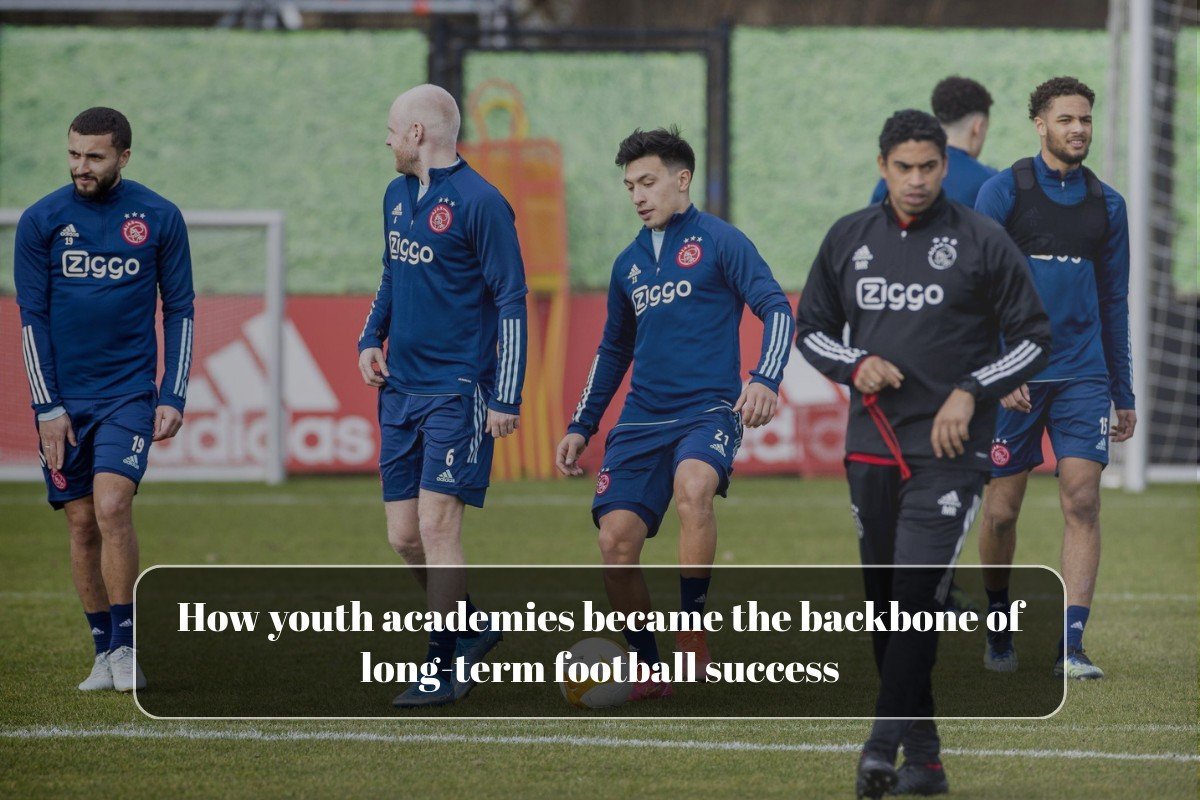
Rinus Michels and Johan Cruyff’s Ajax perfected Total Football, winning three consecutive European Cups via fluid positional interchange and high pressing. Cruyff’s genius orchestrated 1971-73 triumphs, including a 2-0 final over Juventus. Eredivisie dominance accompanied, exporting the philosophy that shaped Netherlands’ 1974 World Cup runners-up.
Ajax redefined fluidity, making every player attack and defend, influencing Guardiola and Klopp’s systems decades later.
Barcelona (2008-2012): Tiki-Taka Perfection
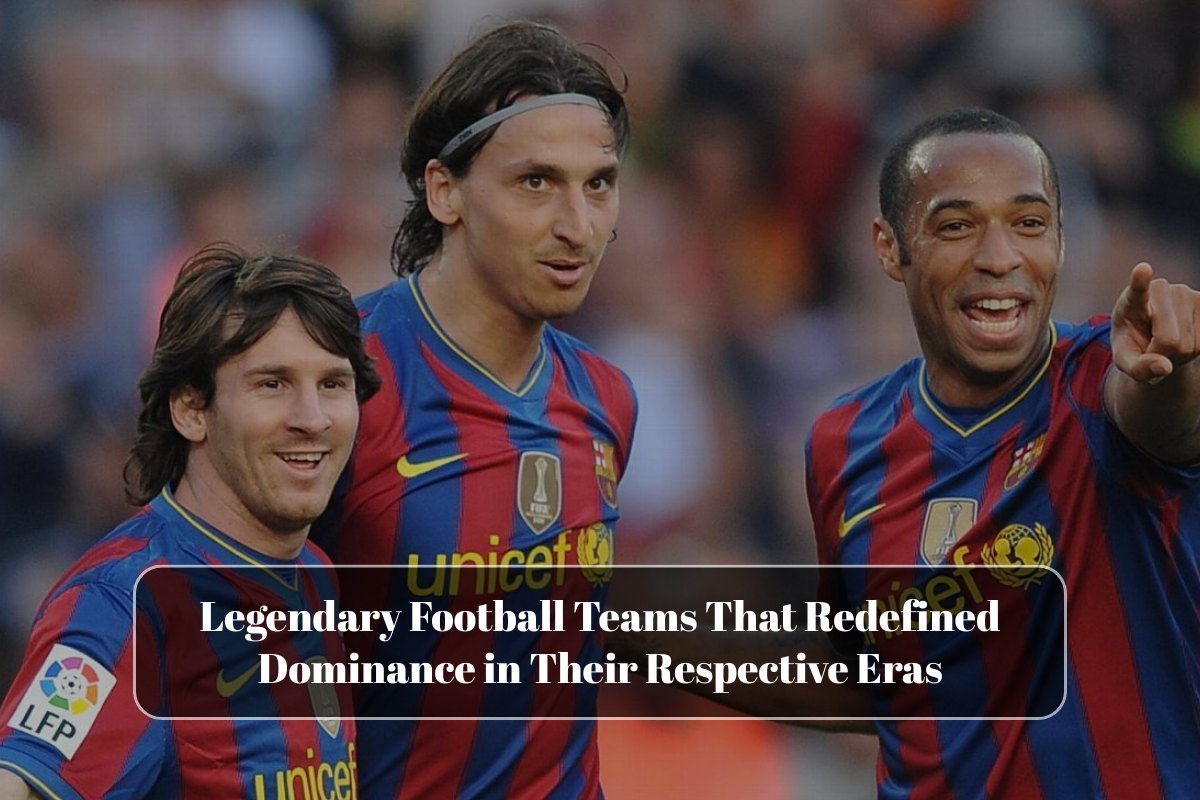
Pep Guardiola’s Barcelona, powered by Lionel Messi, Xavi, and Andrés Iniesta, executed mesmerizing tiki-taka—short passing and possession mastery. They clinched two Champions Leagues (2009, 2011), three La Ligas, and a treble, dismantling Manchester United 3-1 in the 2011 final. Domestic cups rounded a 14-trophy haul.
This squad elevated aesthetics, proving control breeds inevitability, captivating purists and topping all-time rankings.
Bayern Munich (1970s): Bavarian Juggernaut
Udo Lattek’s Bayern, starring Franz Beckenbauer, Gerd Müller, and Sepp Maier, swept three straight European Cups (1974-1976) and multiple Bundesligas. Beckenbauer’s libero role revolutionized sweeping, blending defense with attack in finals like 1974’s penalty shootout over Atlético Madrid.
Bayern professionalized German football, dominating domestically and exporting talent amid Bundesliga’s rise.
Manchester City (2017-2023): Modern Serial Winners
Pep Guardiola’s City shattered records with 100 Premier League points (2018), a historic treble (2023), and six titles in seven years. Erling Haaland and Kevin De Bruyne drove relentless attack, while Rodri anchored midfield. Five domestic cups complemented Champions League glory.
City’s data-driven possession redefined English dominance, silencing doubters post-takeover.
Legacy of Redefining Eras
These teams shared visionary coaches, star clusters, and tactical innovations that outlasted rivals. They boosted global TV deals, academies, and fanbases, proving dominance inspires evolution—from Madrid’s glamour to Barca’s poetry.
Their blueprints guide today’s giants, ensuring football’s golden eras inspire perpetual pursuit of greatness.
FAQ
Q1: What made Real Madrid’s 1950s team legendary?
A: Five consecutive European Cups with Di Stéfano and Puskás, blending flair and organization unmatched since.
Q2: How did AC Milan’s era influence tactics?
A: Sacchi’s zonal marking and pressing yielded back-to-back European Cups, revolutionizing Serie A defense.
Q3: Why rank Ajax’s 1970s side so highly?
A: Total Football’s fluidity won three straight European Cups, shaping modern high-pressing systems.
Q4: What defined Barcelona’s 2008-2012 dominance?
A: Guardiola’s tiki-taka secured two Champions Leagues and a treble, with Messi’s genius dazzling globally.
Q5: How did Bayern Munich redefine the 1970s?
A: Beckenbauer’s libero led three European Cups, professionalizing Bundesliga success.