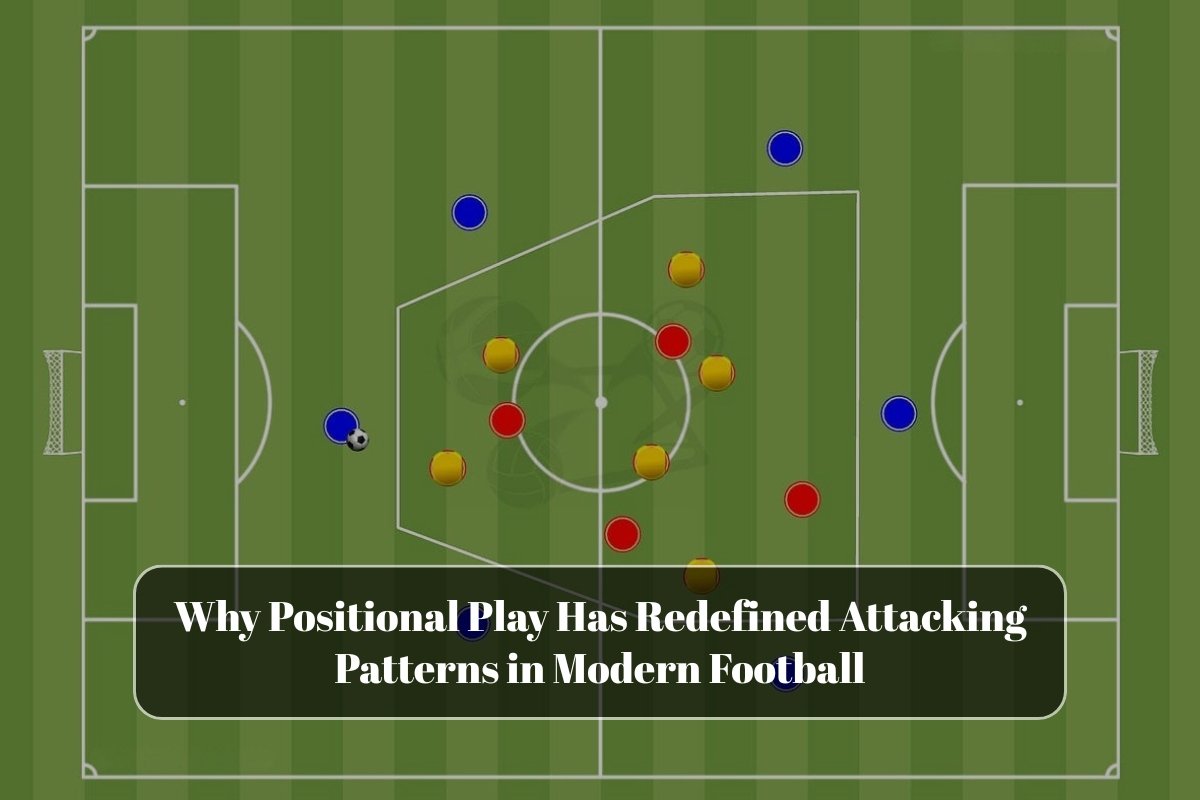
Positional play, or “Juego de Posición,” organizes players into structured zones to control space, create overloads, and dismantle defenses systematically. Pioneered by Johan Cruyff and perfected by Pep Guardiola, it shifts attacks from chaotic individualism to orchestrated dominance, emphasizing passing triangles, rotations, and numerical superiority. This philosophy has revolutionized modern football, making possession a weapon that manipulates opponents predictably.
Origins in Total Football and Cruyff’s Vision
Johan Cruyff’s Ajax and Barcelona teams laid the groundwork, blending Total Football’s fluidity with fixed positional grids. Players interchanged roles while maintaining structure—wingers dropped deep, midfielders pushed forward—creating passing lanes via “positioning between the lines.” Cruyff’s 3-4-3 demanded intelligent movement, using high pressing and offside traps to regain possession quickly, turning defense into attack seamlessly.
This evolved into deliberate zoning, where every pass serves progression, not mere retention. Cruyff’s influence persists in systems prioritizing width, depth, and diagonal coordination to stretch defenses.
Guardiola’s Evolution: Precision and Rotations
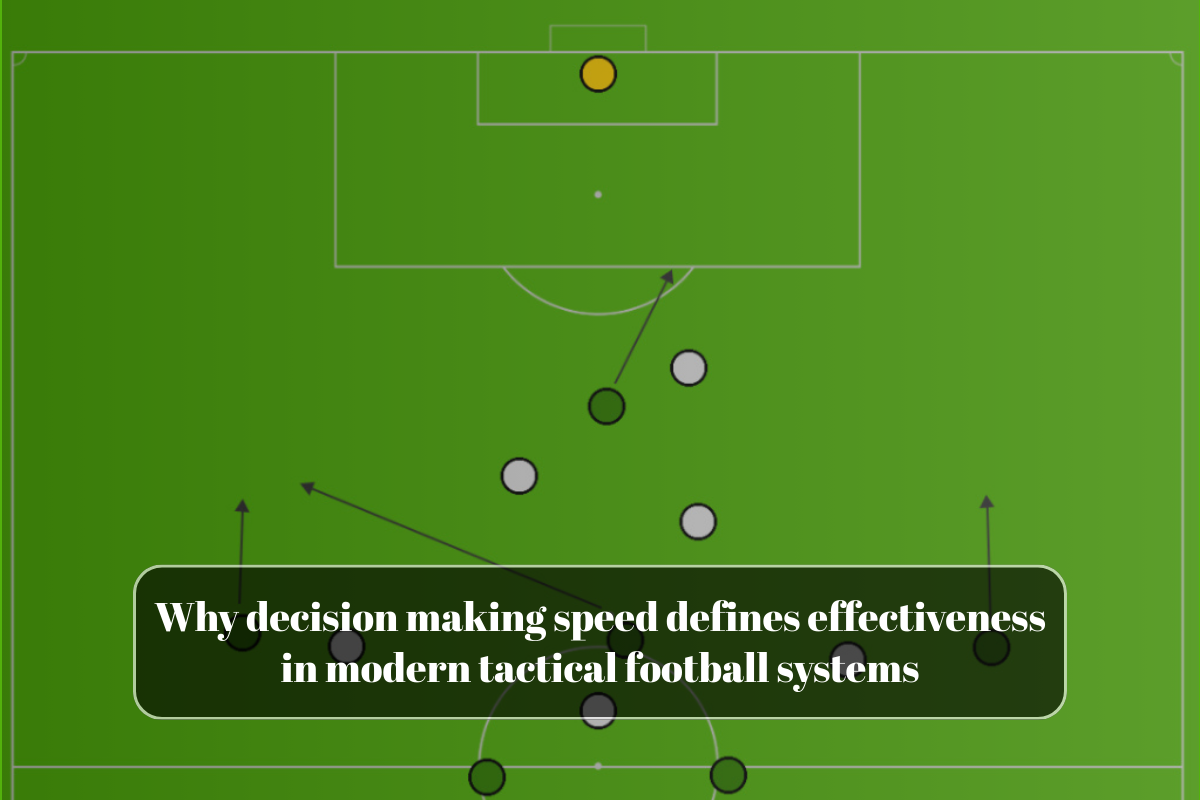
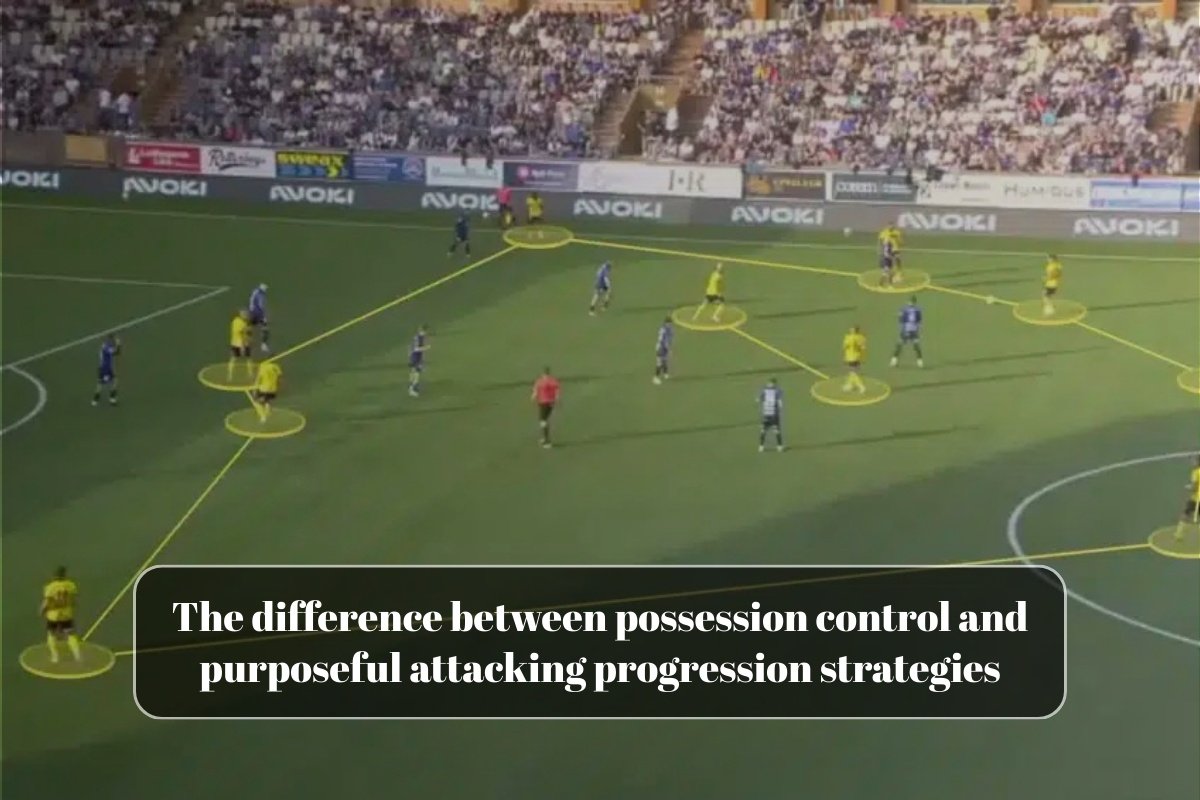
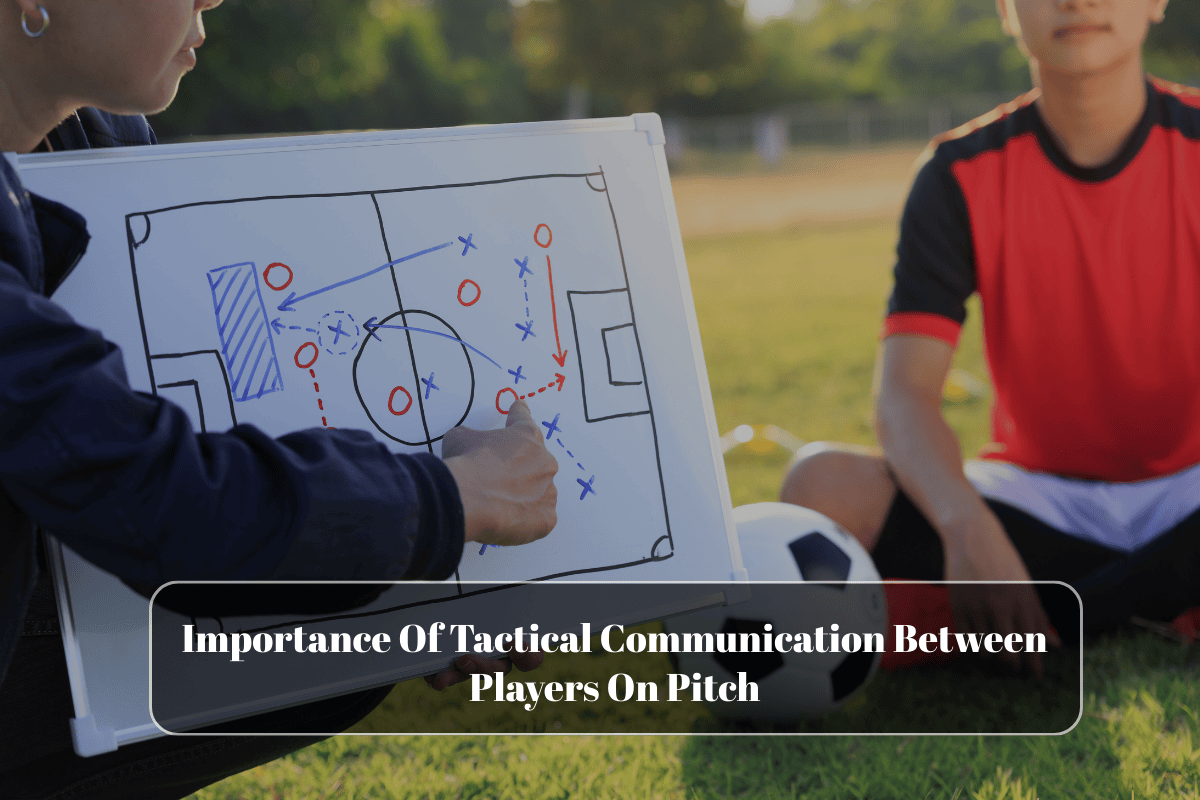
Pep Guardiola refined positional play at Barcelona and Manchester City, dividing the pitch into zones for optimal coverage. Full-backs invert, wingers pin wide, and midfielders form triangles, enabling “third-man” runs that bypass presses. Rotations—wingers drifting inside, forwards dropping—disorganize markers, opening half-spaces for penetration.
Bayern and City examples show controlled circulation luring pressure before exploiting gaps, with dribbling drawing defenders to free runners. Guardiola’s mantra: adapt tactics to players, but uphold principles like superiority in key areas.
Creating Overloads and Exploiting Space
Positional play thrives on numerical advantages: more attackers than defenders in zones via staggered heights and angles. Passing triangles ensure options, while rotations confuse marking—full-backs overlap into midfield voids created by drifting wingers. Quick one-two touches, combined with off-ball runs, unlock low blocks, as seen in shadow drills enhancing patterns.
Teams cover the field horizontally and vertically, manipulating opponents into imbalances before striking interior corridors or behind lines.
Impact on Final-Third Attacking Patterns
In the attacking third, positional structure generates unpredictability: overloads draw compact defenses wide, freeing central penetration. Third-man combinations—pass to draw pressure, lay-off to runner—multiply chances, with constant movement ensuring fluidity. Unlike direct play, it dictates rhythm, using possession to destabilize via rotations from 4-3-3 to 3-2-4-1 seamlessly.
This redefines goals from crosses to patterned incisions, boosting efficiency against parked buses.
Training and Principles for Mastery
Coaches drill grids for build-up, progression, and finishing zones, emphasizing purpose in every pass and movement. Principles include width/depth superiority, dribbling to attract pressure, and holistic phases—attacking structure dictates defending distances. Players master zone occupation, rotations, and timing, fostering tactical intelligence over athleticism alone.
Modern academies embed this, producing versatile talents for high-possession eras.
Global Adoption and Lasting Legacy
From La Liga to Premier League, positional play dominates: Liverpool’s gegenpress adapts it aggressively, Arsenal inverts full-backs for half-space control. It elevates technical demands, rewarding brains over brawn, and influences analytics redefining roles beyond traditional positions. Critics note rigidity risks, but its trophy hauls—Barcelona’s trebles, City’s records—prove transformative power.
Positional play ensures attacks evolve with defenses, sustaining football’s tactical arms race.
FAQ
Q1: What defines positional play in attacks?
A: Structured zones, passing triangles, and rotations create overloads, manipulating space systematically.
Q2: How did Cruyff influence modern patterns?
A: Via Total Football’s fluidity in 3-4-3, emphasizing interchanges and high pressing for quick regains.
Q3: What makes Guardiola’s version unique?
A: Inverted full-backs, third-man runs, and rotations disorganize presses, prioritizing principles over players.
Q4: How does it break final-third defenses?
A: Overloads, one-twos, and off-ball runs exploit gaps from drawn markers and width.
Q5: Why train with grids and drills?
A: Builds purpose in passes/movements, ensuring superiority and progression across phases.