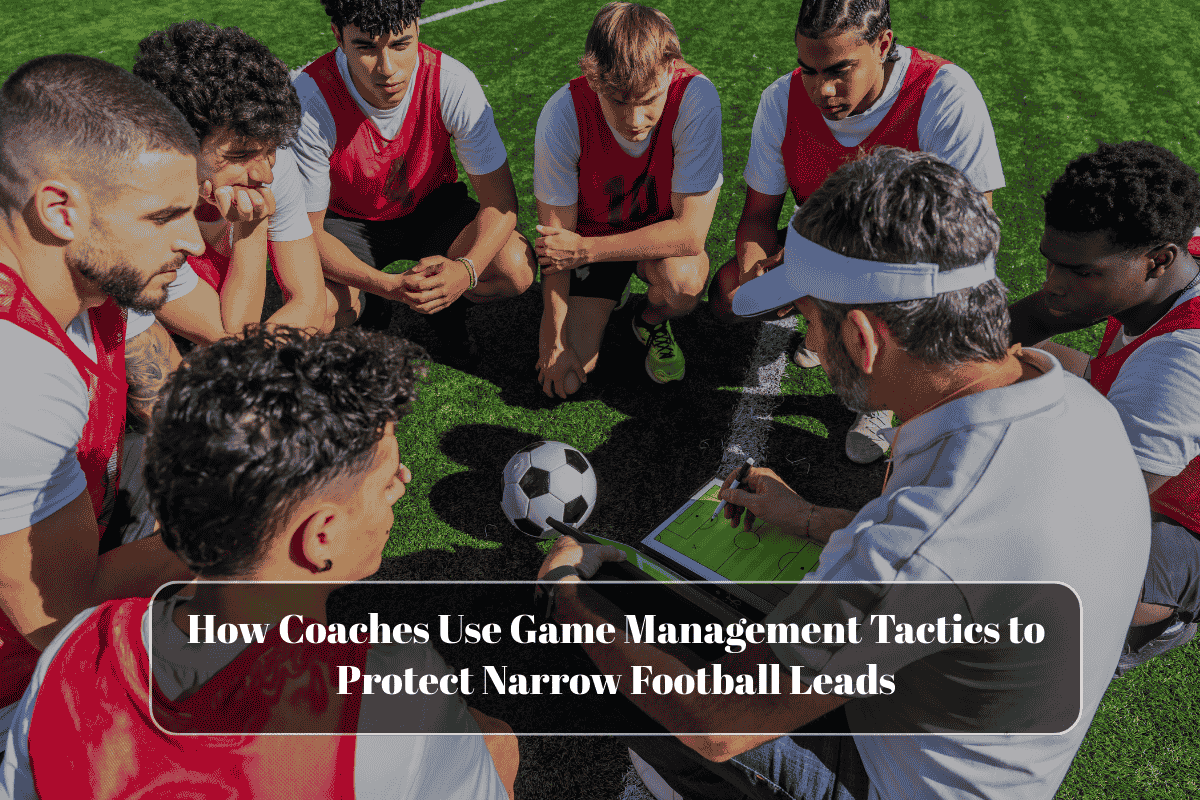
When a football team is holding on to a small lead, the final moments of the match become a test of both skill and strategy. Coaches play a key role during this time, using smart game management tactics to make sure their team walks off the pitch with a win. Whether it’s slowing down play, making the right substitutions, or keeping possession, every move is planned with one goal — protect the lead.
How Coaches Control the Game Pace
One of the most common strategies coaches use when leading by a narrow margin is to slow down the game. This helps break the momentum of the opposing team and gives players more time to settle.
- Players are told to take longer during throw-ins, goal-kicks, and free-kicks.
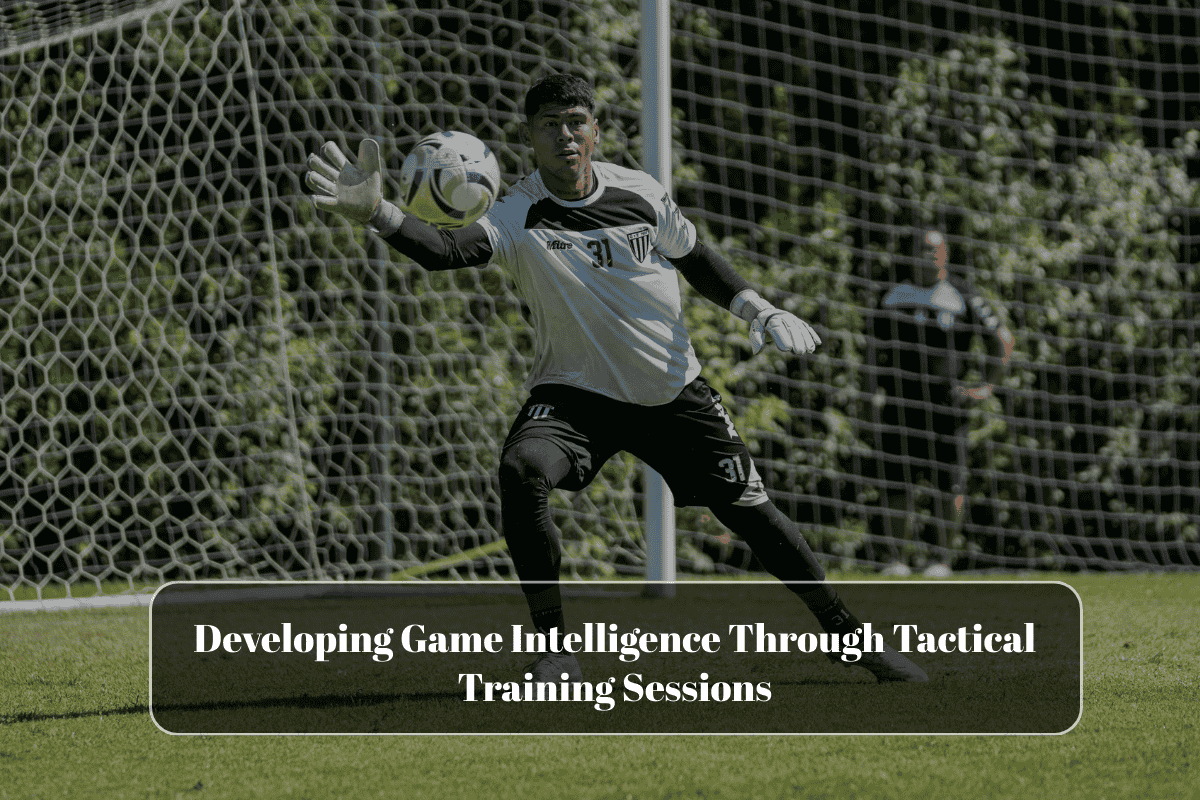
- Goalkeepers may hold the ball for as long as possible before releasing it.
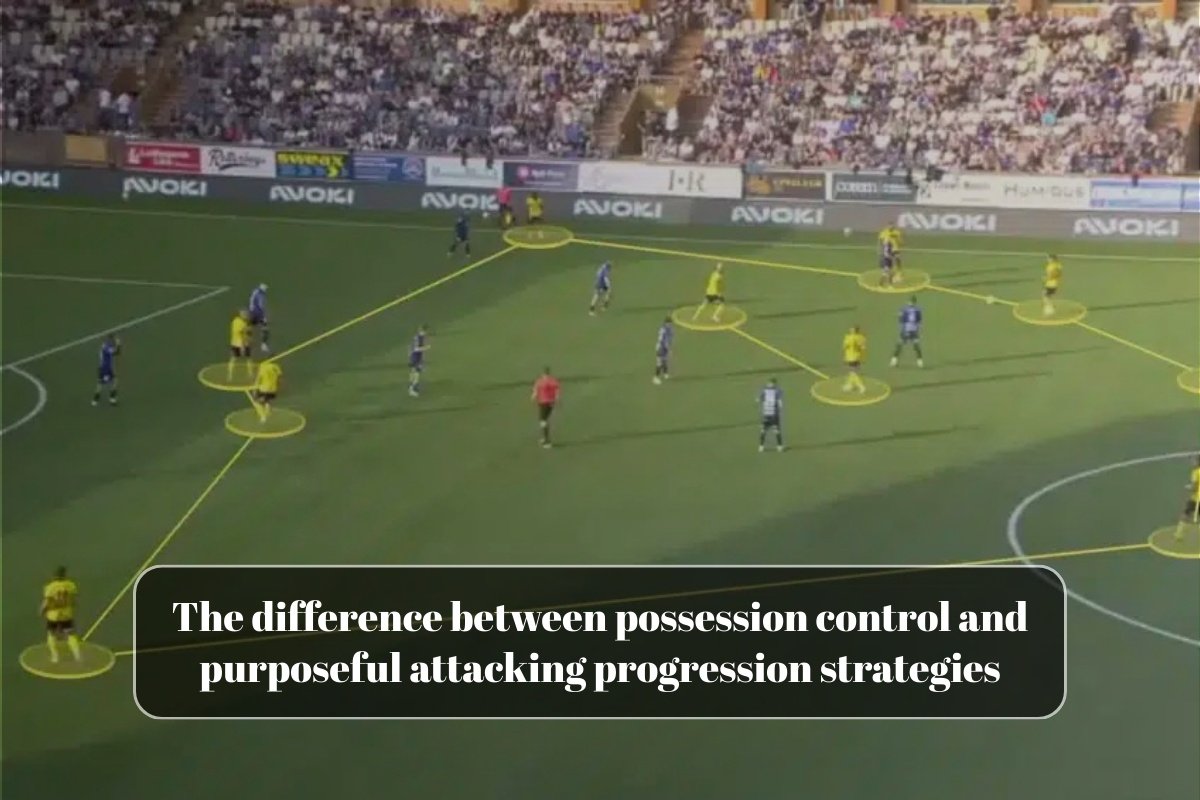
- Short passes and back passes become more frequent to reduce risky play.
This tactic helps run down the clock while keeping the ball away from the opponent, reducing their chances of scoring.
Smart Substitutions to Break Opponent’s Rhythm
Another useful tactic is making well-timed substitutions. Coaches often bring in fresh legs to replace tired players, especially in midfield or defence. But substitutions aren’t only about stamina — they also give teams a few extra seconds as play is paused.
Key benefits of these substitutions include:
- Slowing the opponent’s momentum
- Adding more defensive players to strengthen the backline
- Introducing experienced players who can keep calm under pressure
For example, a coach might bring on a central defender for an attacking player to switch to a more defensive setup like 5-4-1.
Switching to Defensive Formations
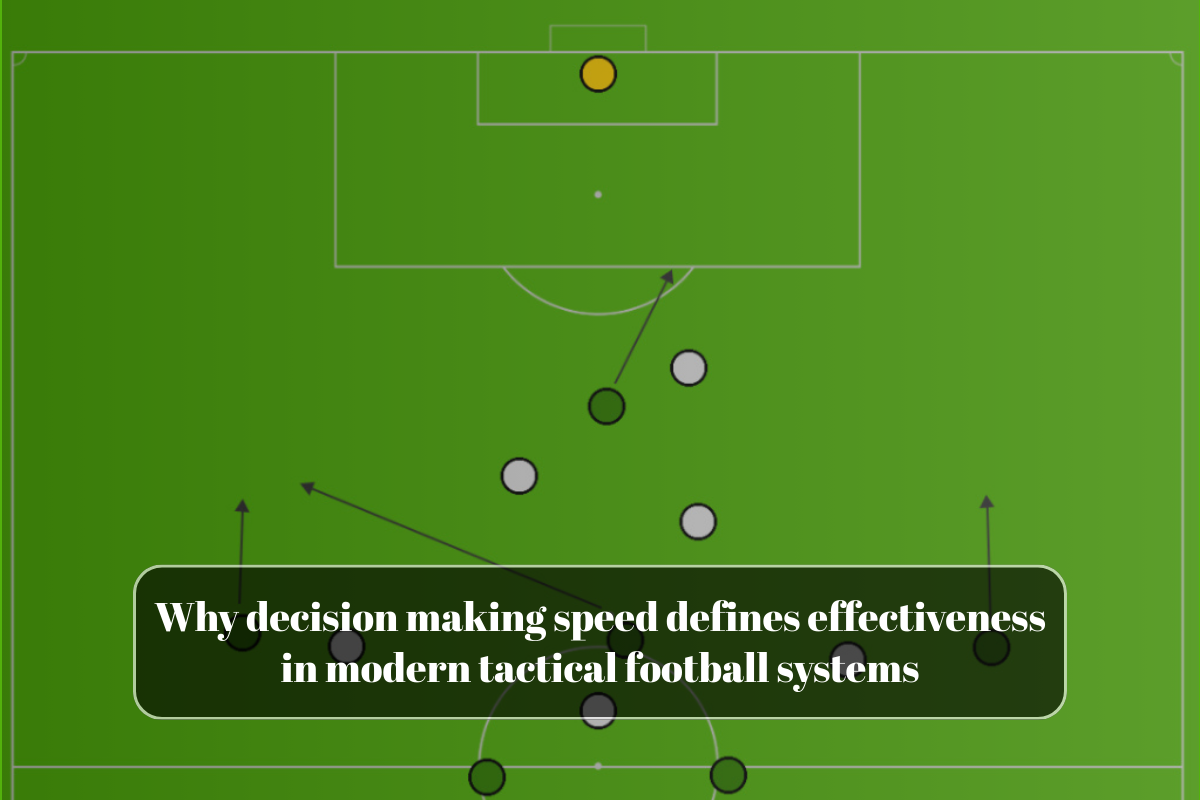
When protecting a lead, coaches often switch from an attacking formation to a defensive one. This doesn’t mean the team stops attacking entirely, but the focus shifts to protecting the goal.
Common defensive tactics include:
- Dropping the defensive line deeper
- Using a low block to limit space for opponents
- Adding a holding midfielder for extra support in front of the defence
This way, the team can absorb pressure and hit back with occasional counter-attacks.
Using the Corners and Sidelines Wisely
You may have seen players take the ball to the corner flag and try to shield it. This is a classic time-wasting move. Coaches encourage this in the final minutes to keep the ball away from dangerous areas.
Players are trained to:
- Win throw-ins or corners from the opponent
- Delay restarts legally without drawing a card
- Force fouls from defenders by holding the ball in tight spaces
These small actions can waste precious time and frustrate the opposing team.
Clear Communication from the Sideline
A coach’s job during the last few minutes becomes even more intense. Constant communication is key. Coaches shout instructions, signal tactical changes, and motivate their players to stay focused.
Some things coaches remind players about:
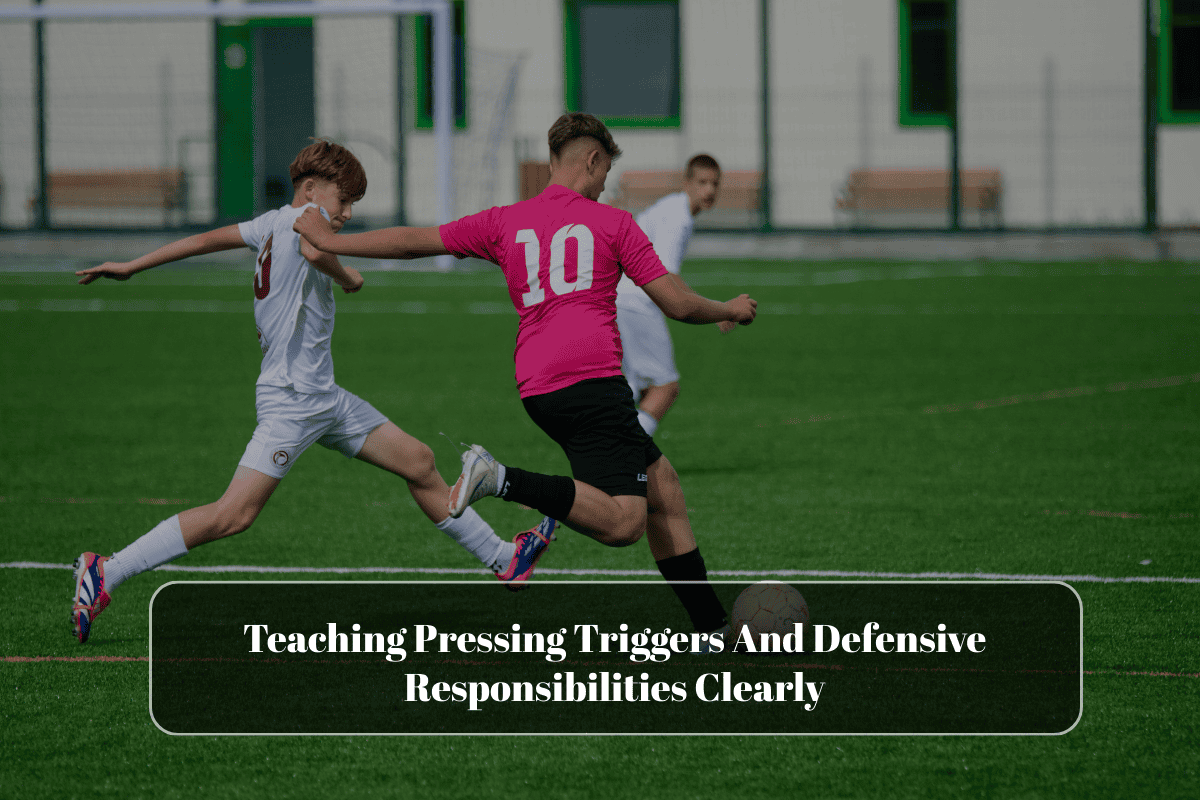
- Don’t dive into tackles — avoid unnecessary fouls
- Keep discipline and avoid red or yellow cards
- Keep your shape and stay alert till the final whistle
Staying organised under pressure is just as important as physical skills.
Mental Strength and Experience Matter
Finally, managing the game is not only about tactics. It’s also about mental toughness. Coaches often rely on experienced players to guide the younger ones during pressure moments.
Captains and senior players help in:
- Calming down teammates
- Making the right decisions under stress
- Keeping everyone focused on the game plan
Winning with a narrow lead is as much a mental game as it is a tactical one.
FAQs
Q1. What is game management in football?
Game management in football refers to the tactics and decisions made by coaches and players to control the pace and flow of a match, especially when protecting a lead.
Q2. Why do teams slow down play when leading?
Slowing down the game helps break the opponent’s momentum, waste time legally, and keep control of the match.
Q3. What are common substitutions used to protect a lead?
Coaches often replace attacking players with defenders or midfielders to strengthen the defence and manage energy levels.
Q4. Is taking the ball to the corner a legal tactic?
Yes, as long as it’s done within the rules and without fouling, shielding the ball in the corner is a smart way to waste time.
Q5. Can good game management win matches?
Absolutely. Proper game management can help a team maintain their lead and turn a close match into a valuable win.