Being a professional footballer is not just about playing well on the field. Players also face huge pressure from fans, media, and their own expectations. Along with that, they need to grow as individuals and maintain a healthy life off the pitch. Balancing performance pressure and personal development is a major challenge — and successful footballers know how to handle both with care and planning.
Handling Pressure in High-Stakes Matches
Professional footballers often face intense pressure, especially during important matches or tournaments. The fear of making a mistake, letting the team down, or dealing with public criticism can be overwhelming.
To manage this pressure, players:
- Work with sports psychologists to strengthen their mental toughness
- Use relaxation techniques like meditation and deep breathing
- Focus on short-term goals instead of thinking too far ahead
- Stick to a regular routine to stay grounded
By keeping their mind calm, players can perform better and make clearer decisions under pressure.
Importance of Mental Health Support
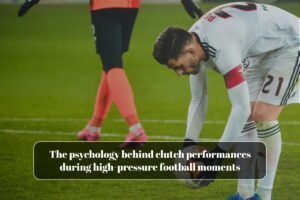
Mental health is just as important as physical fitness. In recent years, many top footballers have opened up about their struggles with anxiety, depression, or burnout. This has helped break the stigma around mental health in sports.
Clubs now offer:
- Access to mental health professionals
- Workshops on emotional well-being
- Private counselling sessions
- Support for managing social media pressure
This support system helps players deal with stress and keep a healthy mindset, even when things get tough on the field.
Balancing Football with Education and Learning
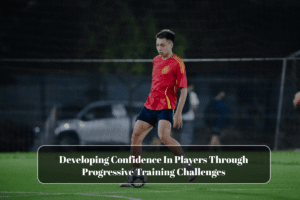
Many young footballers start their careers early and might skip higher education. However, personal development is not just academic — it includes learning new skills, understanding financial management, and building life outside football.
Players often:
- Take online courses during off-seasons
- Attend workshops on communication, leadership, or business
- Learn new languages to adapt when playing abroad
- Get financial advice to manage earnings wisely
These steps help them prepare for life after football and reduce the fear of an uncertain future.
Maintaining Relationships and Family Life
Time with family and friends plays a huge role in a player’s personal happiness. But with tight training schedules, travel, and media commitments, maintaining relationships can be tough.
Footballers try to:
- Set aside time regularly to connect with loved ones
- Take short breaks or vacations when the schedule allows
- Keep their private life low-profile to avoid media distractions
- Involve their family in major career decisions
A strong personal life gives emotional stability, which improves focus on the pitch.
Handling Criticism and Public Attention
From fans to social media, footballers are always in the public eye. One bad game can bring a flood of criticism. Players must learn to deal with both praise and hate without letting it affect their confidence.
To manage this, players:
- Limit social media use during high-pressure periods
- Surround themselves with a strong support circle
- Focus on honest feedback from coaches instead of online comments
- Train their minds to stay focused on growth, not opinions
Staying mentally strong helps players bounce back from tough times and keep improving.
Planning for Life After Football
A footballer’s career doesn’t last forever. Injuries, age, or form can change everything quickly. That’s why personal development also means planning for what comes next.
Many players:
- Pursue coaching badges
- Start businesses or invest in ventures
- Join sports media as commentators or analysts
- Get involved in charity work or mentoring young talent
Planning for life after retirement helps reduce stress and gives players something to look forward to beyond football.
FAQs
Q1. How do professional footballers manage stress during big matches?
They use mental training, focus techniques, and support from psychologists to stay calm and perform well under pressure.
Q2. Do footballers get mental health support from their clubs?
Yes, many clubs now offer counselling, mental health workshops, and regular check-ins with sports psychologists.
Q3. Can footballers study while playing professionally?
Absolutely. Many players take online courses or attend part-time classes to continue learning and prepare for future careers.
Q4. How do footballers plan for life after retirement?
They may get coaching licences, invest in businesses, join media roles, or get involved in community work and mentorship.
Q5. Why is personal development important for footballers?
It helps them grow as individuals, stay mentally strong, and lead a meaningful life beyond just football performance.