In youth football development, few factors are as influential—or as misunderstood—as technical foundations. While physical growth, tactical awareness, and psychological strength all matter, technical ability forms the bedrock upon which every other aspect of a player’s game is built. Players who master core techniques early are better equipped to adapt, progress, and perform consistently as the game becomes faster and more demanding.
This article examines why technical foundations are critical in youth football, how they influence long-term development, and what coaches and parents should prioritize to maximize a young player’s potential.
What Are Technical Foundations in Football?
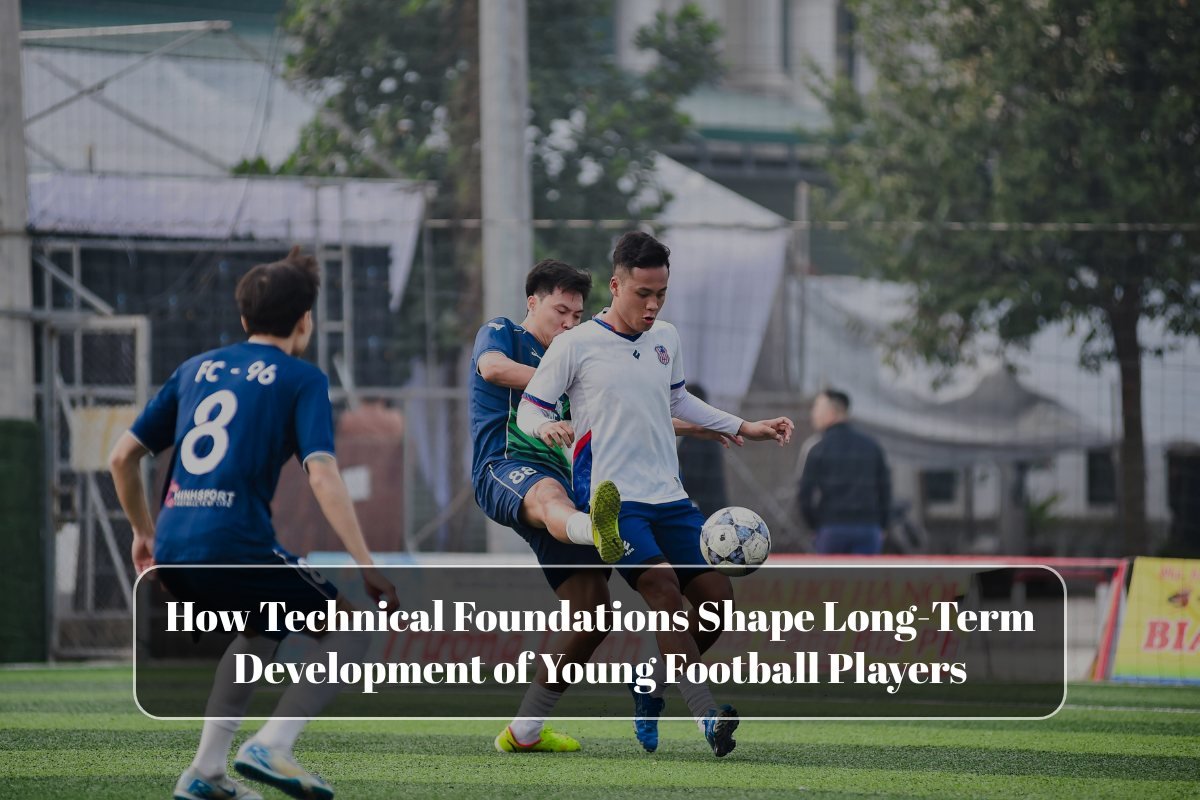
Technical foundations refer to a player’s ability to execute football skills efficiently, consistently, and under pressure. These include:
- First touch and ball control
- Passing accuracy and weight
- Dribbling and ball manipulation
- Shooting technique
- Receiving the ball in different body positions
At youth level, technique is not about flashy skills but about functional competence—the ability to perform basic actions reliably in a variety of situations.
Why Early Technical Development Matters Most
Football is a time-pressured sport. As players move up age groups, the space and time available to execute actions decreases dramatically. Players with strong technical foundations can:
- Make quicker decisions
- Play with their head up
- Adapt to tactical instructions more easily
- Retain confidence under pressure
By contrast, players who lack technical consistency often struggle when physical or tactical demands increase, regardless of athletic ability.
Technique as the Gateway to Tactical Understanding
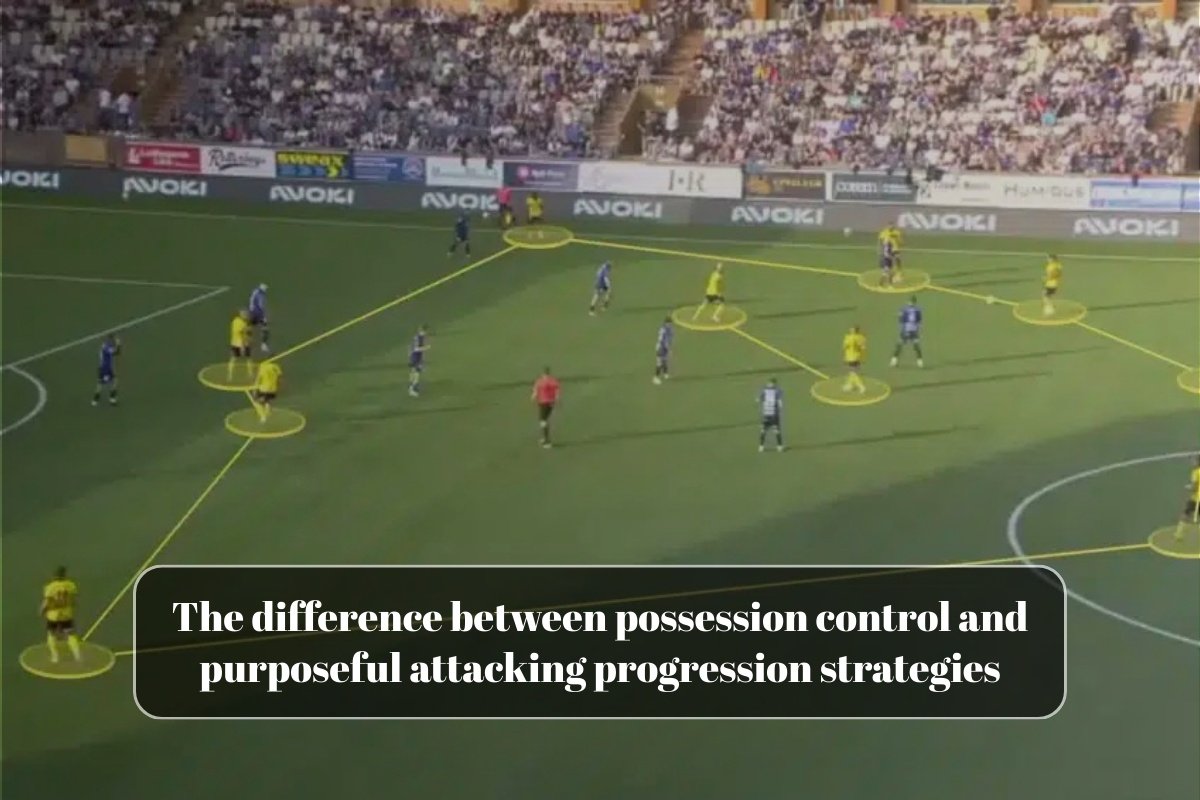
Tactical learning depends heavily on technique. A player cannot fully understand positional play, pressing triggers, or build-up patterns if they are focused on simply controlling the ball.
Elite development models—such as those used by FC Barcelona and Ajax—emphasize technique first because it allows young players to:
- Execute tactical decisions without hesitation
- Maintain team structure under pressure
- Solve problems creatively within game models
In this sense, technique is not separate from tactics—it enables them.
Long-Term Confidence and Decision-Making
Technical competence directly affects a young player’s confidence. When players trust their ability to control and pass the ball, they are more willing to:
- Receive in tight spaces
- Attempt progressive actions
- Stay composed after mistakes
This confidence fuels better decision-making, which is a key separator at higher levels of the game.
Players who fear technical errors often play “safe,” limiting development and tactical growth.
Physical Development Changes—but Technique Stays
One of the most overlooked aspects of youth football is that physical advantages are temporary. Early maturers often dominate youth matches through strength and speed, but those advantages level out with age.
Technical ability, however, compounds over time.
Players who develop strong technical habits early retain them regardless of physical changes. As the game becomes faster, technical efficiency—not raw athleticism—determines success.
This is why many elite professionals were not dominant physically at young ages but excelled technically.
Repetition, Variability, and Ball Mastery
Technical foundations are built through high-quality repetition, not isolated drills alone.
Effective technical development includes:
- Frequent ball contact
- Practice under varied constraints
- Exposure to different game situations
- Encouragement of experimentation
Ball mastery exercises, small-sided games, and position-agnostic skill development allow players to internalize technique naturally rather than mechanically.
The Role of Mistakes in Technical Growth
Mistakes are essential to technical development. Over-coaching or punishing errors can inhibit growth by creating fear and hesitation.
Development-focused environments encourage:
- Risk-taking
- Learning through failure
- Feedback centered on improvement, not outcome
This approach aligns with long-term player development rather than short-term results.
Technique and Injury Prevention
Sound technique also plays a role in reducing injury risk. Efficient movement, balanced ball control, and proper striking mechanics place less strain on joints and muscles.
As players progress into higher-intensity football, technical efficiency helps manage physical load and fatigue.
What Coaches Should Prioritize at Youth Level
For sustainable development, coaches should emphasize:
- First touch under pressure
- Passing and receiving on both feet
- Ball control while scanning the field
- Technique integrated into game-based activities
Winning matches at young ages should never come at the expense of technical learning.
The Parent’s Role in Supporting Technical Growth
Parents can support development by:
- Valuing skill progress over match results
- Encouraging practice with the ball at home
- Avoiding comparisons based on physical size or speed
A supportive environment reinforces confidence and enjoyment—key drivers of long-term success.
Frequently Asked Questions (FAQ)
Q1: At what age should technical training begin?
Technical development can begin as soon as children start playing football. Early exposure should focus on fun, exploration, and ball familiarity rather than rigid instruction.
Q2: Can technique be improved later if missed early?
Yes, but it becomes more difficult. Early years are optimal due to brain plasticity and lower performance pressure.
Q3: Is technical training more important than physical training for young players?
At youth level, yes. Physical development happens naturally, while technique requires deliberate practice.
Q4: How often should young players work on technique?
Ideally, every session should include technical elements, even when the focus is tactical or physical.
Q5: Does position matter for technical development?
No. All players benefit from all-round technical ability, regardless of their eventual position.