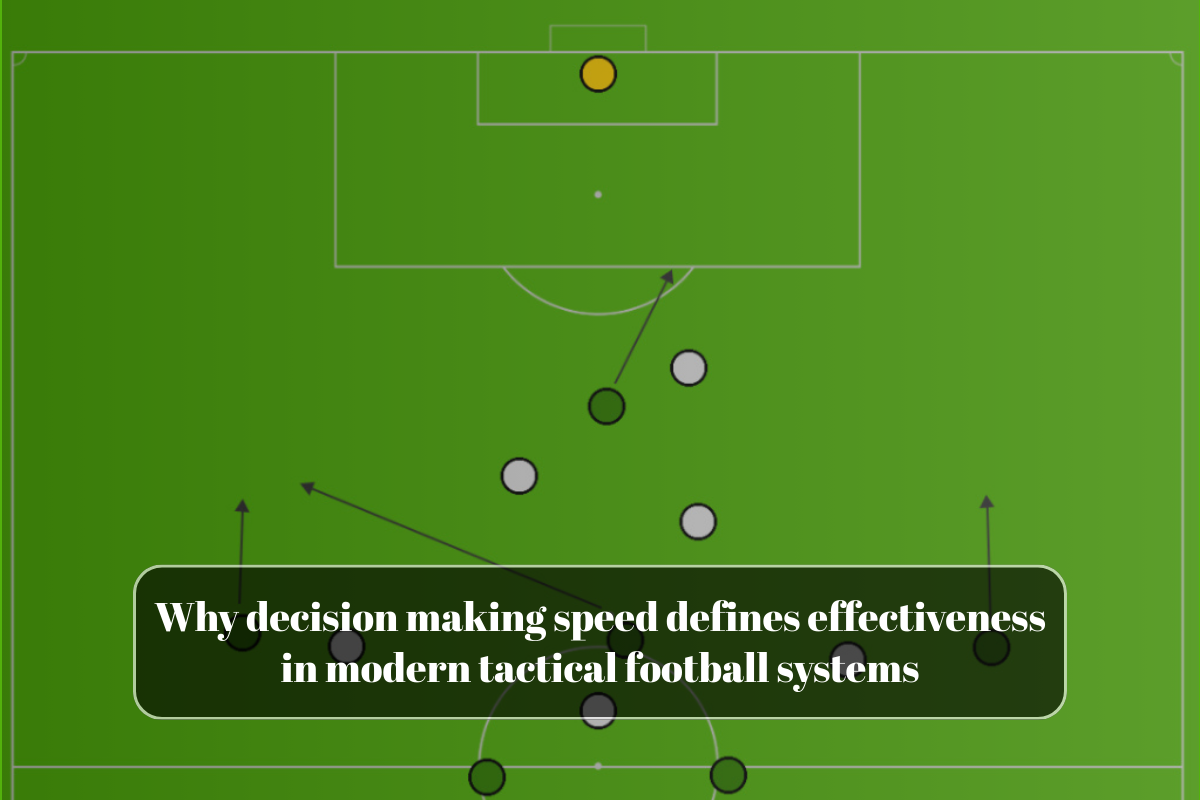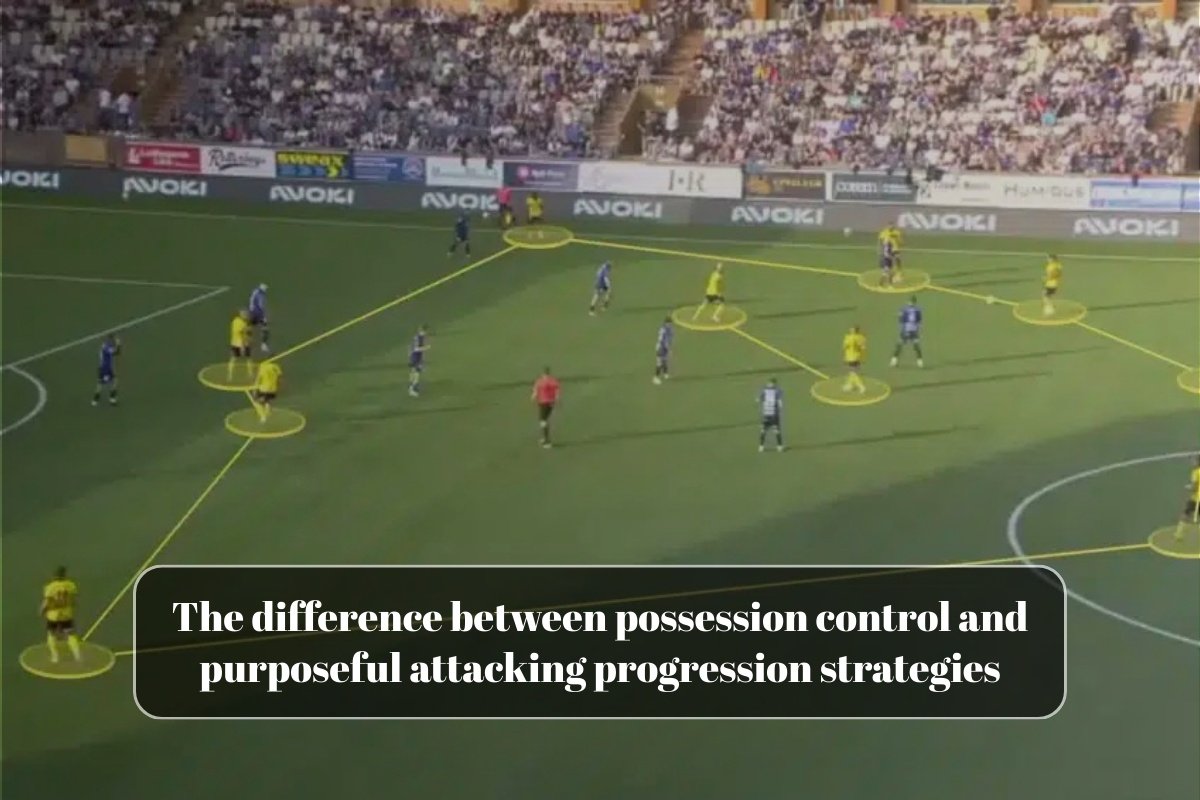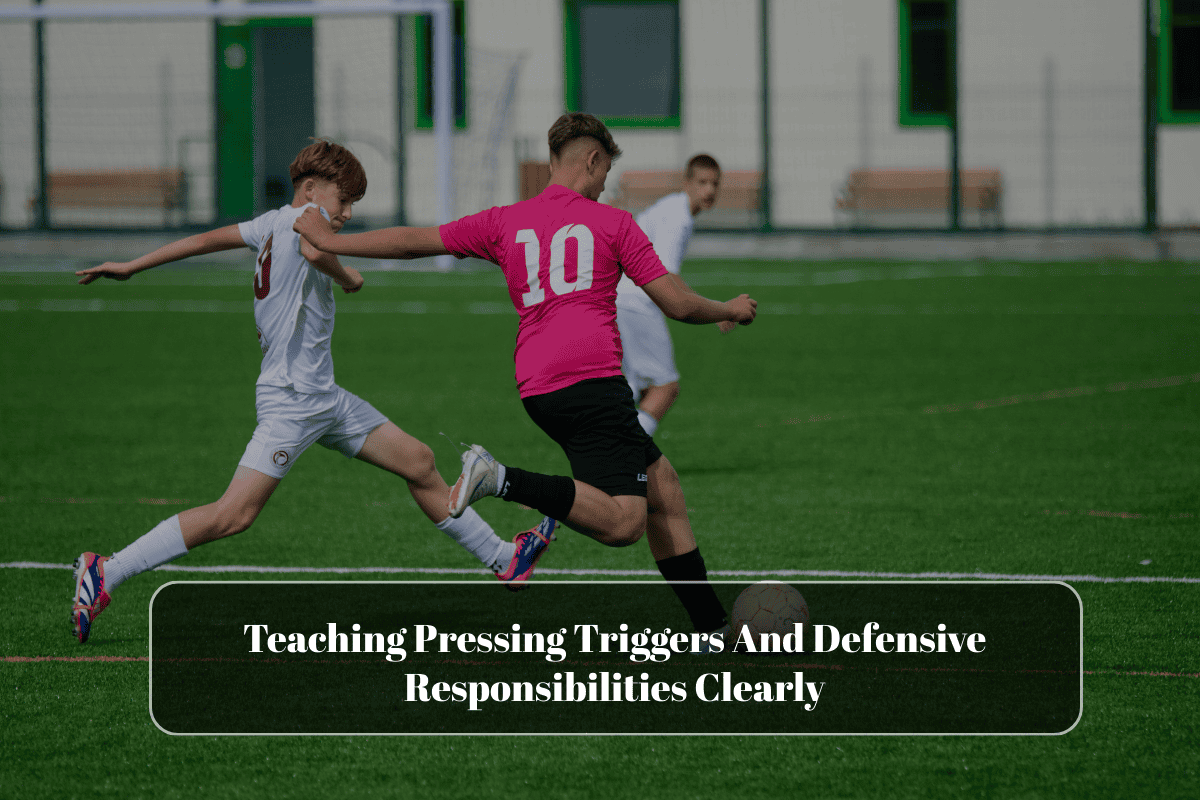
Wide overloads represent a key soccer tactic where attacking teams create numerical superiority on the flanks to dismantle compact defenses, a strategy increasingly vital in US professional leagues like MLS and NWSL. By stretching opponents wide, teams force defensive shifts that expose central channels for penetration. This approach enhances possession dominance and scoring chances through quick combinations.
Defining Wide Overloads
Wide overloads occur when attackers outnumber defenders in flank zones, often via wingers pinning back full-backs while midfielders or overlapping runners join. Unlike central overloads, they exploit touchlines as “extra defenders,” compressing space elsewhere. Coaches emphasize short distances for rapid passes, turning 3v2 or 4v3 into breakthroughs.
Mechanics of Execution
Start with wide possession to lure pressure; wingers hold width while inverted midfielders drift out, creating 2v1s. Full-backs overlap for cutbacks or crosses, or switch play exploits recovery lags. Fluid rotations—wingers inside, full-backs wide—maintain superiority, as in MLS teams like LAFC using high full-backs.
Breaking Defensive Structures
Defenses respond by sliding units across, thinning midfield gaps for through-balls. Zonal marking fails as gaps widen between lines; man-marking pins players, freeing runners behind. Vertical passes provoke counter-pressing, but overloads lure foes high, baiting turnovers in dangerous areas.
US Soccer Examples
MLS sides like Columbus Crew overload flanks in build-up, forcing compact blocks to stretch. NWSL’s Portland Thorns use wingers like Sophia Smith for 1v1s post-overload, per US Soccer training modules. Youth academies drill 3v2 wide SSGs to instill timing and scanning.
Training Drills for Mastery
Small-sided games (SSGs) with wide channels mandate flank occupation, rewarding overload exploitation. 4v3 rondo-to-goal progresses to full-pitch, coaching deception runs. Focus: scanning, quick 1-2s, and recovery triggers. Sessions build awareness of cover shadows.
Defensive Counters
Shift as a block using touchline cover; delay via pressure on ball-nearer while compacting far-side. High press disrupts if overloads form slowly, but risks behind exploitation. MLS coaches teach “squeeze and slide” to channel play centrally.
Advanced Variations
Asymmetric overloads pair wide pins with half-space rotations, creating dilemmas. High full-backs enable flexible shapes, as in Guardiola influences on US tactics. Combine with central drops for hybrid threats.
Measuring Success Metrics
Track overload creation (passes into flank zones), conversion to chances (shots/crosses), and PPDA disruption. US analytics via Opta show top MLS teams average 15% more flank entries via overloads, correlating to goals.
Player Roles and Profiles
Wingers excel in 1v1s post-overload (e.g., pacey MLS talents); full-backs provide width/depth. Midfielders rotate for numbers; forwards time diagonal runs. Training hones these for tactical fluidity.
FAQs
Q. What creates a wide overload?
Numerical edge on flanks via wingers, overlaps, and rotations, stretching defenses.
Q. How do they break low blocks?
Force shifts that open central gaps for penetration or switches.
Q. Defensive fix for wide overloads?
Unit slide with touchline aid, delaying while compacting midfield.
Q. MLS teams using this tactic?
LAFC and Crew overload wide in build-up for crosses/1v1s.
Q. Best training drill?
Wide-channel SSGs focusing 3v2 exploitation and timing.