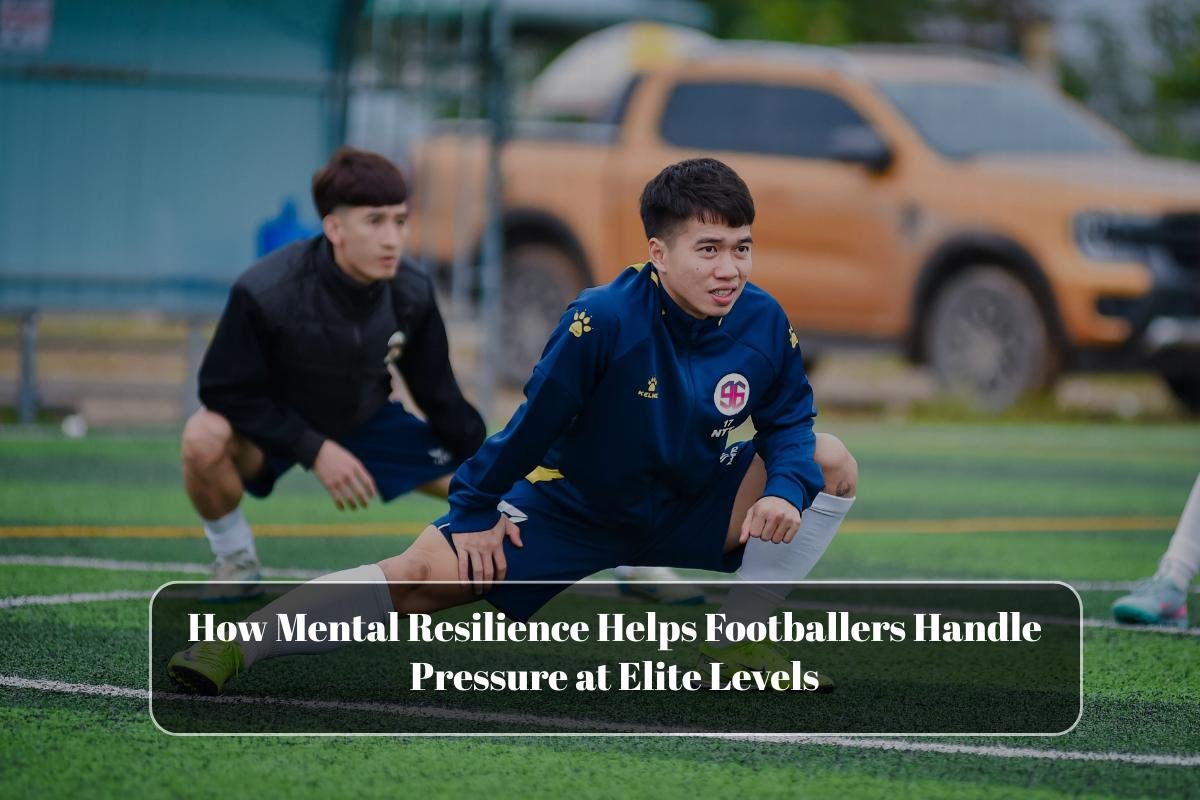
Mental resilience enables footballers—both American football and soccer players in the USA—to thrive under elite pressures like Super Bowl chokes or MLS playoffs. This psychological edge involves bouncing back from errors, maintaining focus amid scrutiny, and regulating emotions. NFL and MLS stars leverage sports psychology for sustained performance.
Defining Mental Resilience
Resilience means sustaining optimal function post-stressor, via cognitive flexibility, self-discipline, and low neuroticism. Elite players show higher conscientiousness, extraversion, and openness, per studies on MLS and NFL athletes. They reframe setbacks as growth, increasing effort after mistakes rather than hiding or blaming.
In USA contexts, NFL kickers resist “icing” tactics by sticking to routines, while MLS midfielders stay composed in extra time. Traits like planning and decision-making distinguish pros, aiding pressure navigation.
Handling High-Pressure Moments
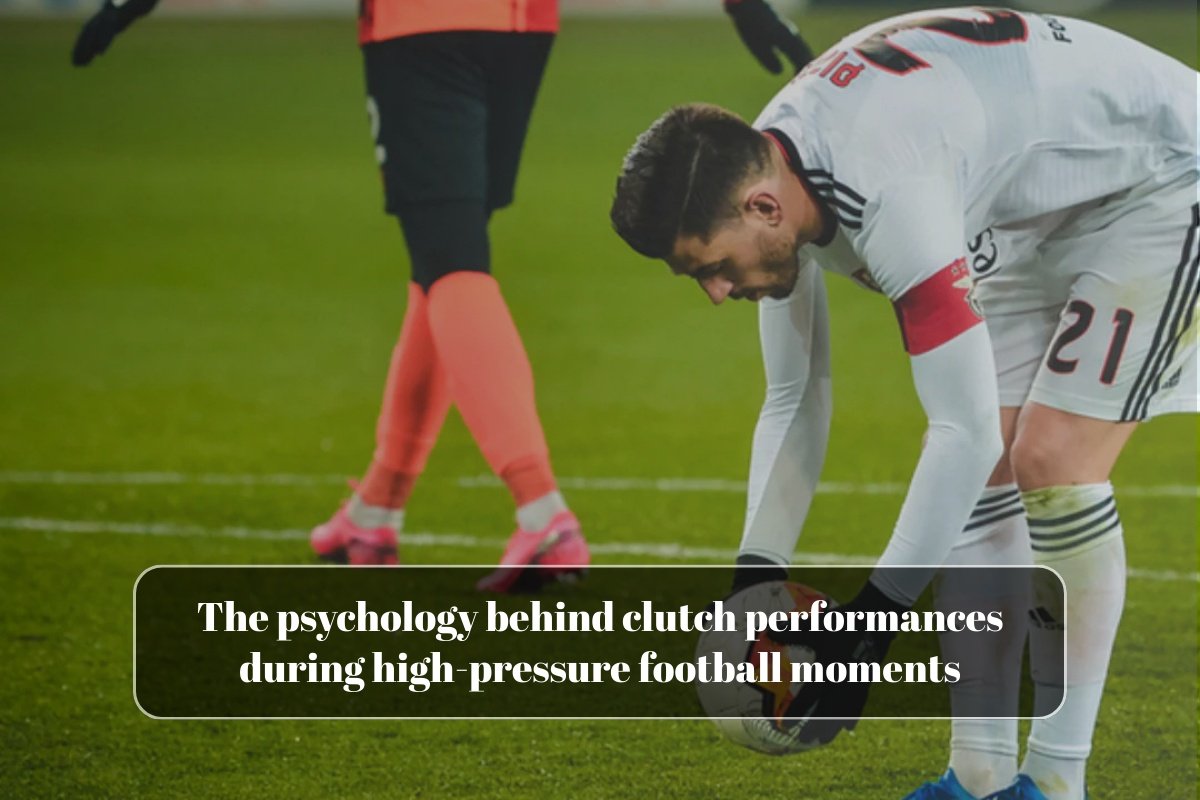
Pressure spikes from crowds, stakes, or errors; resilient players use routines like deep breathing to regulate arousal. Jalen Hurts exemplifies poise, leading Eagles drives unfazed by turnovers, rooted in his benched college days. NFL QBs visualize snaps, countering blitz anxiety.
MLS’ Diego Luna overcame isolation struggles via therapy, advocating for youth mental health amid international moves. Composure prevents “hiding”—resilient athletes chase balls aggressively post-flub. US Soccer emphasizes focus sans fear of errors, freeing energy for execution.
Techniques from Sports Psychologists
Psychologists deploy DISC assessments, self-talk, imagery, and goal-setting. NFL teams mandate clinicians; sessions build neural pathways for prefrontal control over amygdala panic. Visualization preps for adverse scenarios, like kickers simulating timeouts.
Positive reframing turns “I missed” to “Next play.” MLS Next programs use stations for mindfulness, boosting toughness. Group cohesion via teammate support amplifies recovery. Weekly therapy normalizes vulnerability, shifting from “tough it out.”
NFL Case Studies
Justin Tucker resists icing with rehearsed rituals, nailing records under duress. Hurts’ perfectionism fuels prep, bouncing from SEC bench to MVP contention. Malcolm Jenkins therapied anxiety from self-pressure, prioritizing mental health post-Super Bowls.
Brandon Brooks battled anxiety-induced gut issues, returning stronger via mindfulness. These stories highlight resilience as cultivated, not innate—failure as fuel.
MLS and US Soccer Examples
Clint Dempsey’s trailer-park grit drove fearless challenges; Michael Bradley’s box-to-box relentlessness embodies mental stamina. Atlanta United’s Tyrone Mears praised late comebacks, crediting unbreakable mindset.
USMNT’s Stuart Holden rebounded from bar attack fractures to EPL success. Dominique Badji combated homesickness depression, resuming elite play. Resilience protects mental health, reducing mood swings.
Building Resilience Long-Term
Daily habits—journaling, meditation, off-field identity—prevent burnout. NFLPA reforms provide proactive therapy, viewing athletes holistically. Academies drill mental reps alongside physical, fostering autonomy.
Support networks—family, coaches—anchor players beyond wins. Programs target perfectionism, building self-worth independent of stats. AI profiles aid talent ID by spotting traits like low neuroticism.
Challenges and Evolution
Stigma lingers, but NFL’s emergency response and MLS advocacy accelerate change. Injuries, criticism, precarious contracts test limits—resilience mitigates. Women and youth lag access, but growth mindset spreads.
Future focuses holistic prep, blending psych with tactics for edge.
FAQs
1. What traits mark resilient elite footballers?
High conscientiousness, extraversion, cognitive flexibility, low neuroticism.
2. How do NFL kickers beat icing pressure?
Routines and anxiety rituals, ignoring timeouts.
3. What techniques build soccer mental toughness?
Imagery, self-talk, reframing via psychologists.
4. How did Jalen Hurts show resilience?
Bounced from college bench to NFL drives with poise.
5. Why prioritize mental health in MLS?
Combats isolation, errors; boosts comebacks.