Half-spaces, the zones between central channels and wide flanks, hold strategic importance in advanced attacking soccer systems by offering optimal passing angles, overloading defenses, and creating scoring threats.
In the USA, MLS teams and USMNT coaches increasingly emphasize half-spaces to elevate possession-based play, drawing from global influences adapted to domestic talent. This tactical evolution boosts efficiency in high-pressing environments, with United Soccer Coaches highlighting their role in youth and pro development.
Defining Half-Spaces on the Pitch
Half-spaces lie between the central third and wings, roughly 10-20 yards inside from touchlines, in attacking and midfield thirds. Players here gain superior vision: forwards for crosses, backwards for midfield links, and diagonals to overload zones. Unlike wings (limited by sidelines) or crowded centers, half-spaces enable body orientation toward goal while maintaining options. US analysts note these areas as “tactical gold mines” for progression.
Tactical Advantages in Attacking Systems
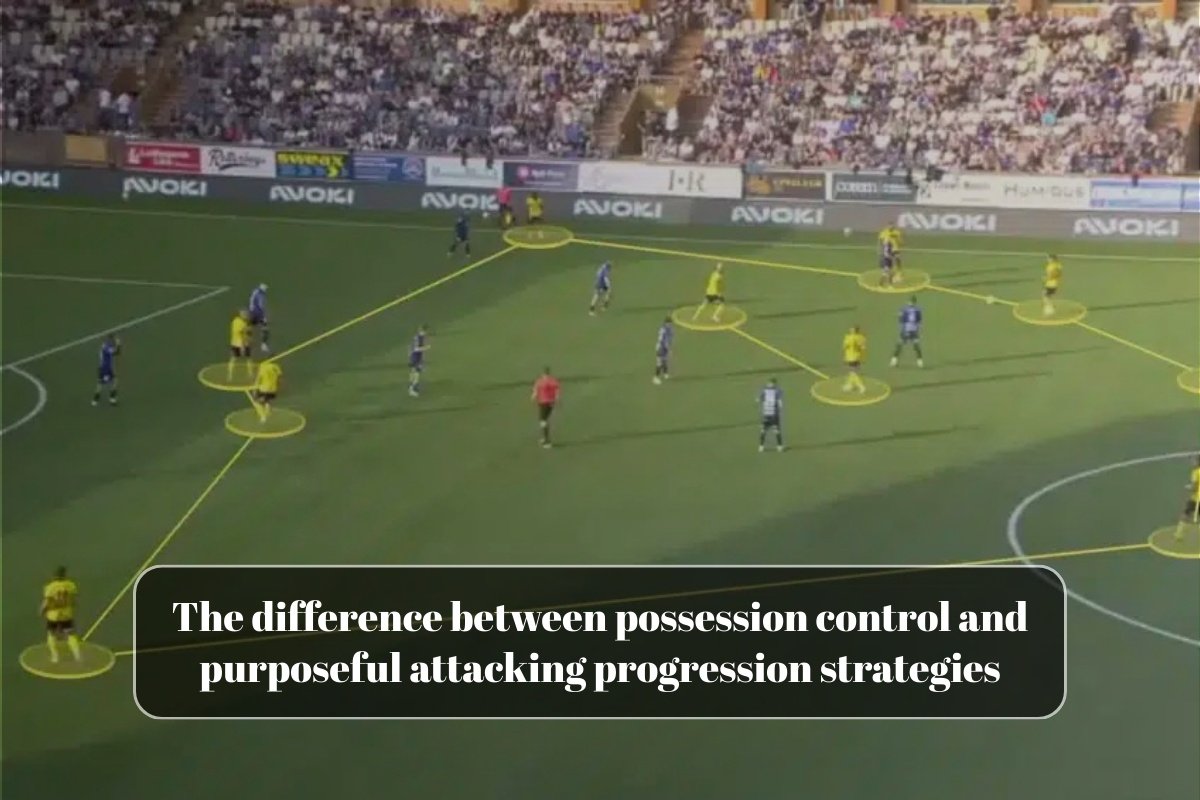
Occupying half-spaces creates numerical superiority, pulling defenders out of position and exposing channels. Midfielders receive facing goal, combining with wingers or full-backs for 2v1 overloads. This disorganizes compact blocks, as stepping up leaves space behind, per The Times analysis adopted in MLS coaching. Diagonals from half-spaces enhance completion rates, vital for transitions.
MLS Implementations and Successes
MLS pioneers like New York Red Bulls use proactive pressing to regain possession and funnel into half-spaces, dominating midfield control. LAFC under Steve Cherundolo employs inverted wingers drifting inside, linking with overlapping full-backs for cutbacks—key to their 2022 Supporters’ Shield.
Atlanta United exploits half-spaces in build-up, with midfielders like Thiago Almada spraying passes, boosting xG by exploiting gaps. These systems align with MLS’s field evolution toward fluid, space-oriented attacks.
USMNT and National Team Applications
Under coaches like Mauricio Pochettino, USMNT targets half-spaces for numerical advantages in attacking halves, using 4-3-3 rotations. Christian Pulisic thrives drifting into left half-space, creating overloads with full-backs like Destiny Udogie. Gregg Berhalter’s possession play emphasized “third-man runs” into these zones during 2022 World Cup qualifiers. Youth academies via United Soccer Coaches train half-space movement to bridge European styles with American athleticism.
Training Drills for Half-Space Mastery
US coaches use zonal grids to practice occupation, like 7v7 breaking lines into half-spaces. Pep Guardiola-inspired sessions (via SoccerTutor) mark half-spaces for positional patterns, with inverted full-backs combining centrally. Small-sided games focus 3v3+1 overloads, emphasizing quick diagonals and recovery runs. Analytics from American Soccer Analysis quantify control, favoring 4-3-3 for 56-58% midfield dominance.
Challenges and Defensive Counters
Defenses counter by compact mid-blocks, shuffling to cover half-spaces—e.g., 4-4-2 drops wingers inside. US teams face risks if full-backs push high without midfield cover. Solutions include hybrid pressing, blending man-marking with zonal shifts. MLS data shows proactive teams like Red Bulls mitigate via high regains.
Future in American Soccer Development
As MLS grows, half-spaces integrate into Project 2026 World Cup prep, enhancing technical play amid physical styles. Youth focus via US Soccer curriculum builds habits early. With talents like Yunus Musah excelling here, half-spaces promise tactical maturity.
FAQs
1. What defines a half-space in soccer?
Zones between central channel and wings, offering optimal angles without wing limitations or central congestion.
2. Why are half-spaces crucial for US attacking systems?
Enable overloads, better passing, and defender manipulation, boosting MLS/USMNT efficiency.
3. How do MLS teams like LAFC use them?
Inverted wingers and full-back overlaps create cutback threats in final third.
4. What training emphasizes half-spaces in USA?
Zonal grids, 3v3+1 overloads, and positional patterns per United Soccer Coaches.
5. How do defenses counter half-spaces?
Midfield shuffling, winger tucks, and compact blocks to deny access.