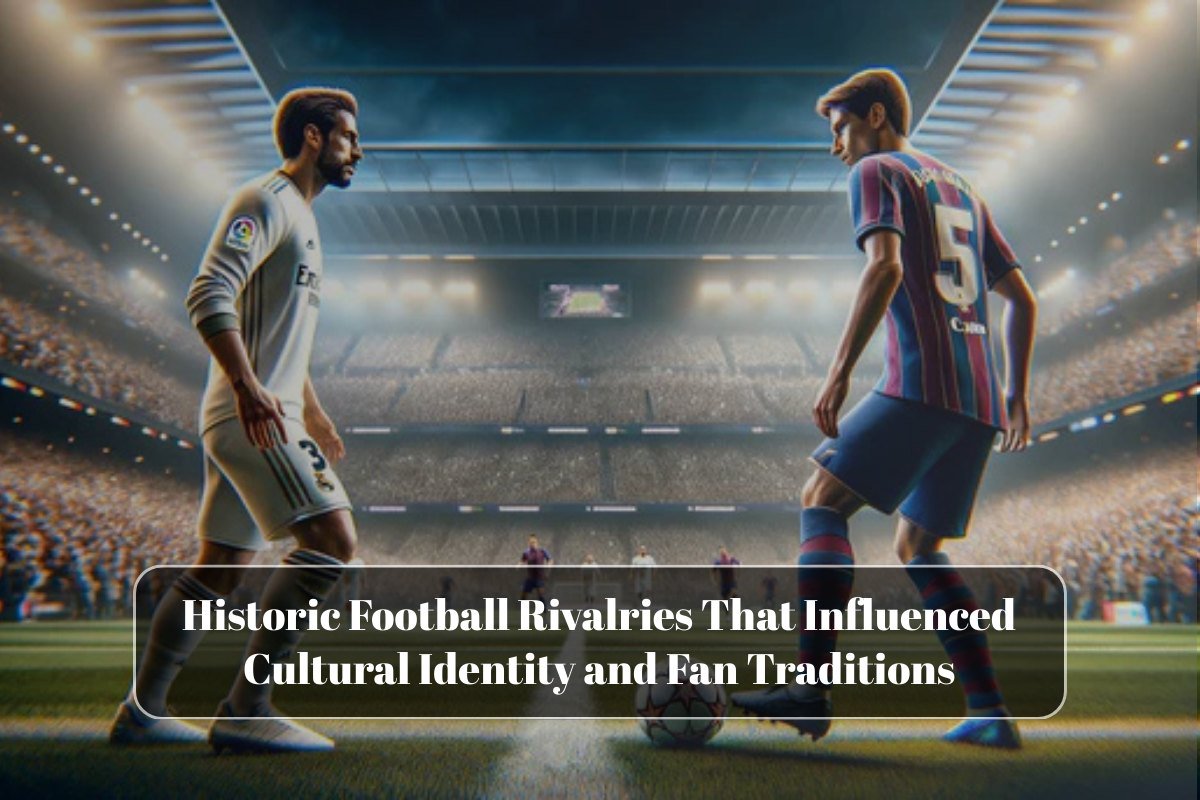
Football rivalries are far more than competitive fixtures on a calendar. Many of the world’s most historic rivalries have shaped local identity, social values, and enduring fan traditions that extend far beyond the pitch. These clashes reflect history, geography, politics, class divisions, and cultural pride, turning matches into symbolic events that define communities across generations.
Why Football Rivalries Carry Cultural Power
At their core, football rivalries represent identity. Supporters are not simply backing a team—they are expressing belonging, loyalty, and shared history.
Rivalries influence:
- Regional and city identity
- Intergenerational family traditions
- Social and cultural expression
- Collective memory and storytelling
These matches often become cultural rituals rather than sporting contests.
The El Clásico: Identity, Politics, and Pride
Few rivalries carry cultural weight like the clash between FC Barcelona and Real Madrid. This rivalry extends beyond football into historical identity, regional pride, and political symbolism.
For many supporters:
- One side represents regional autonomy and cultural expression
- The other symbolizes central power and tradition
Fan traditions such as chants, banners, and matchday rituals reflect decades of cultural tension and identity affirmation, making El Clásico a global cultural event.
The Old Firm Derby: Religion and Social Division
The Old Firm rivalry in Glasgow is one of football’s most historically complex. Rooted in religious, social, and political divisions, this rivalry shaped community identity for over a century.
Its influence includes:
- Strongly inherited fan allegiance
- Distinct matchday customs and songs
- Deep emotional investment across generations
The rivalry demonstrates how football can mirror and magnify broader societal divisions.
The North West Derby: Industrial Heritage and Regional Rivalry
The rivalry between Manchester United and Liverpool grew alongside industrial competition between two major cities. Success on the pitch amplified regional pride and historical competition.
Cultural impacts include:
- Songs referencing historical achievements
- Identity tied to city pride rather than just football
- A global fan culture rooted in local history
This rivalry helped export English football culture worldwide.
The Derby della Madonnina: Shared Space, Divided Identity
Unique among rivalries, Inter and AC Milan share the same stadium. Despite this shared space, their identities diverge sharply.
Fan traditions reflect:
- Distinct colors, symbols, and histories
- Stadium choreography that transforms a shared venue
- Cultural storytelling tied to class and heritage
The rivalry shows how identity can flourish even within the same physical environment.
Rivalries as Generational Traditions
Historic rivalries often pass from parents to children, creating lifelong allegiances. Supporting a team becomes part of family identity rather than a personal choice.
This generational continuity:
- Preserves chants, songs, and rituals
- Strengthens emotional attachment
- Reinforces local identity over time
Rivalries survive because they are inherited, not invented.
Matchday Rituals and Fan Expression
Historic rivalries have produced some of football’s most recognizable fan traditions.
These include:
- Elaborate tifos and banners
- Chants tied to historical events
- Pre-match gatherings and marches
- Symbolic colors and clothing
Such traditions transform stadiums into cultural theaters rather than sporting venues.
Rivalries Influence City and Regional Culture
In many cities, rivalry days affect daily life. Work schedules, travel patterns, and social interactions adjust around major derby matches.
Local businesses, media, and public spaces often reflect rivalry week energy, reinforcing football’s role as a cultural force beyond sport.
Globalization Has Expanded Rivalry Culture
While rooted locally, historic rivalries now reach global audiences. International supporters adopt traditions, songs, and narratives tied to cities they may never visit.
This global spread:
- Preserves rivalry history
- Introduces new interpretations
- Expands cultural influence
Despite globalization, core identities remain anchored in local history.
Rivalries Shape Club Identity and Legacy
Clubs involved in historic rivalries often define themselves in contrast to their rivals. Success, style of play, and philosophy become part of an ongoing narrative shaped by opposition.
This contrast-driven identity strengthens fan loyalty and deepens emotional investment.
More Than Matches: Cultural Institutions
Historic football rivalries function as cultural institutions. They preserve history, express identity, and create shared experiences that transcend generations.
Their influence endures because they represent who people are, where they come from, and what they value—expressed through football.
Rivalries as Living History
Each new match adds another chapter to an ongoing story. While players change, the rivalry remains, carrying memory, meaning, and tradition forward.
In this way, historic football rivalries are living history—continuously shaping cultural identity and fan traditions around the world.
Frequently Asked Questions (FAQ)
Q. Why do football rivalries feel more intense than other sports rivalries?
Because they are tied to identity, history, and community rather than just competition.
Q. Are football rivalries always based on geography?
Often, but many also stem from political, religious, or social differences.
Q. Do rivalries lose meaning as football globalizes?
No. Globalization spreads rivalries, but their cultural roots remain local and powerful.
Q. Can new rivalries reach the same cultural level?
It is rare. Deep cultural rivalries usually require decades of shared history.
Q. Why do fans inherit rivalries from family members?
Because football allegiance is often tied to family identity and community belonging.