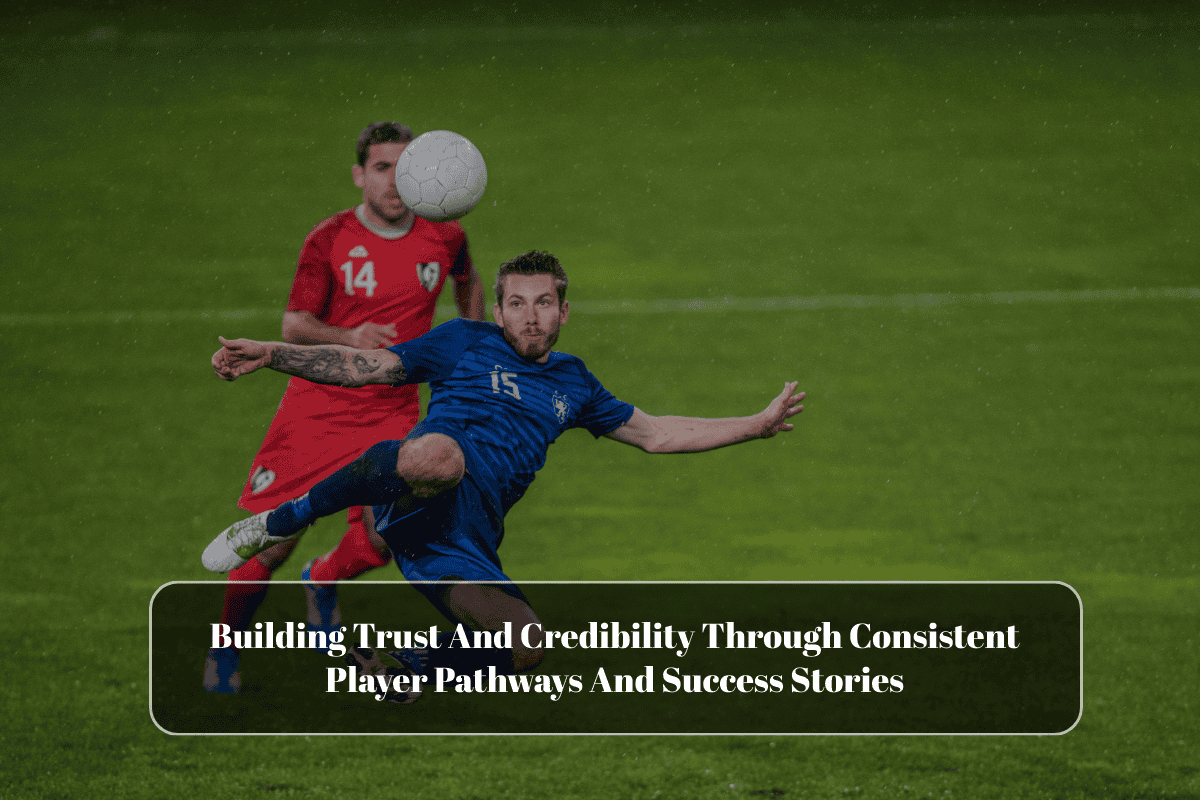
Building trust and credibility in youth soccer academies hinges on transparent player pathways paired with real success stories that showcase progression from grassroots to pro levels. In the U.S., MLS Next and ECNL programs exemplify this, with alumni like Christian Pulisic crediting structured development for their breakthroughs, fostering parent confidence and talent retention.
Clear Developmental Milestones
Pathways outline age-specific benchmarks: U12s master technical drills, U15s emphasize tactical awareness, and U17s focus pro trials via benchmarks like 40-yard dash times or pass completion rates. Academies publish annual reports—e.g., 25% U14 promotion to U16—building transparency. Parents track via apps showing skill ratings, reducing dropout fears in competitive systems.
Success Story Spotlights

Alumni tales inspire: Dom’s individual coaching elevated him to Wales U15, while Zachariah Simons signed with Tottenham after agility drills. U.S. parallels include Sounders’ Tyler, rising from YDP to academy starter via consistent feedback. These narratives, shared via videos and newsletters, prove pathways work, boosting enrollment 20-30%.
Coaching Consistency as Trust Anchor
Integrated staff—head coaches mentoring across levels—ensures philosophy alignment, from possession at U10 to counters at U18. Player journals log progress, with quarterly reviews celebrating wins like “first senior cap.” This continuity counters “pay-to-play” skepticism, as seen in US Youth Soccer’s development pyramid.
Parent and Community Engagement
Open houses demo sessions; parent portals detail costs, tryouts, and 80% college placement rates for non-pros. Testimonials from families—like Joel’s son committing to MLS academy—humanize rigor. Events tie to community service, enhancing credibility beyond wins.
Data-Driven Validation

Metrics shine: 15% academy-to-pro transition mirrors European models, tracked via PDP software. Stories quantify impact—Evan Ferguson’s Brighton path via Irish academies inspires U.S. clones. Public audits verify claims, countering scandals in underfunded clubs.
Holistic Support Systems
Pathways integrate education—dual-enrollment with high schools—and mental health via sports psychologists. Successes like Kodi Lyons-Foster’s Aston Villa journey highlight balanced growth, assuring parents of life skills alongside soccer. This wholistic trust magnetizes talent.
Overcoming Barriers Transparently
Address finances via scholarships (40% recipients succeed equally), injury protocols, and relocation aid. Stories of late bloomers—like Frank Whitby’s Chelsea rise—debunk “talent by 12” myths, widening nets for diverse youth aligning with inclusive development.
Long-Term Legacy Building

Grad networks mentor juniors; alumni games showcase sustained bonds. USSF’s pathway PDF emphasizes this feedback loop, yielding sustained excellence. Ties to your sports interest: these build ecosystems where every player sees possibility.
Consistent pathways and stories forge unbreakable trust, turning academies into credibility powerhouses.
FAQs
1. Why publish player milestones publicly?
Transparency shows progression—e.g., 25% U14 to U16—building parent confidence in pathways.
2. How do success stories recruit talent?
Real alumni journeys, like Pulisic’s MLS rise, boost enrollment 20-30% via proof of results.
3. What role does coaching consistency play?
Unified philosophy across levels ensures skill continuity, countering skepticism.
4. How to engage parents effectively?
Portals, open houses, and testimonials detail support, costs, and outcomes clearly.
5. Do pathways benefit non-pros?
Yes—80% college placements plus life skills via holistic programs prove broad value.