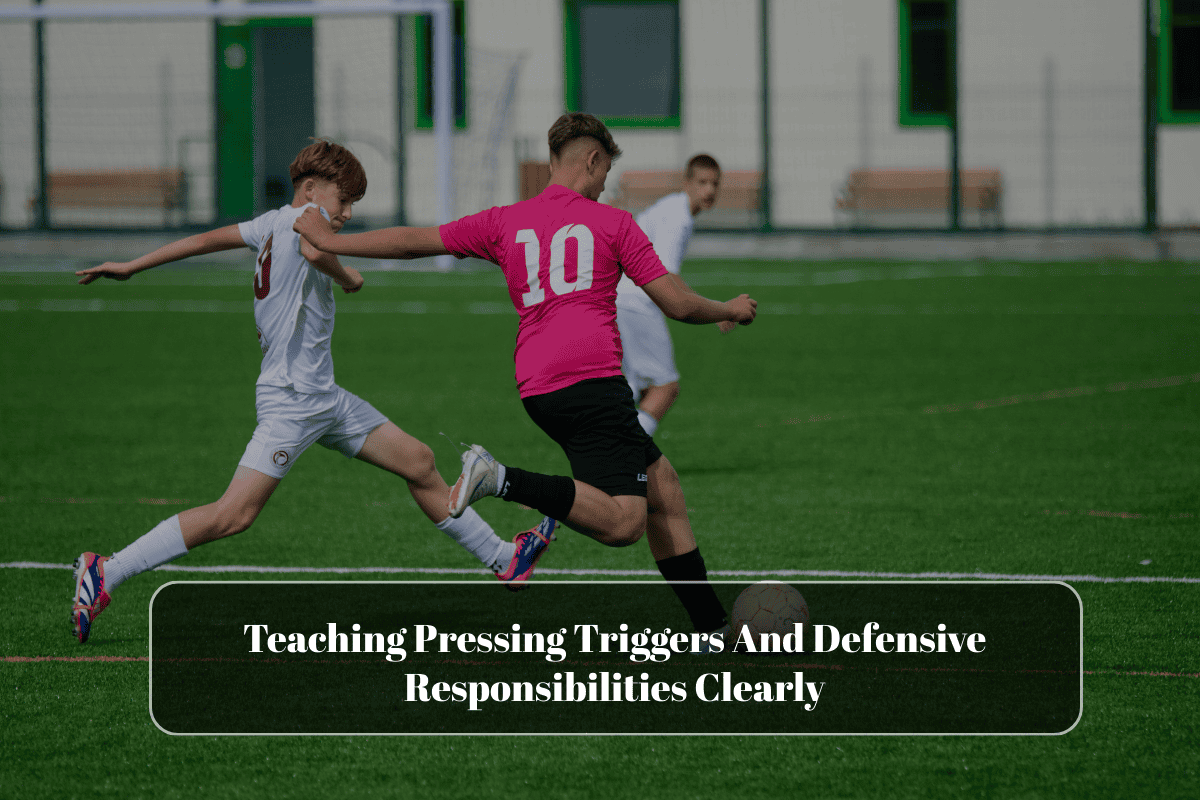
Modern football is evolving faster than ever. Tactical systems change mid-game, player roles are constantly redefined, and physical and mental demands continue to rise. ...
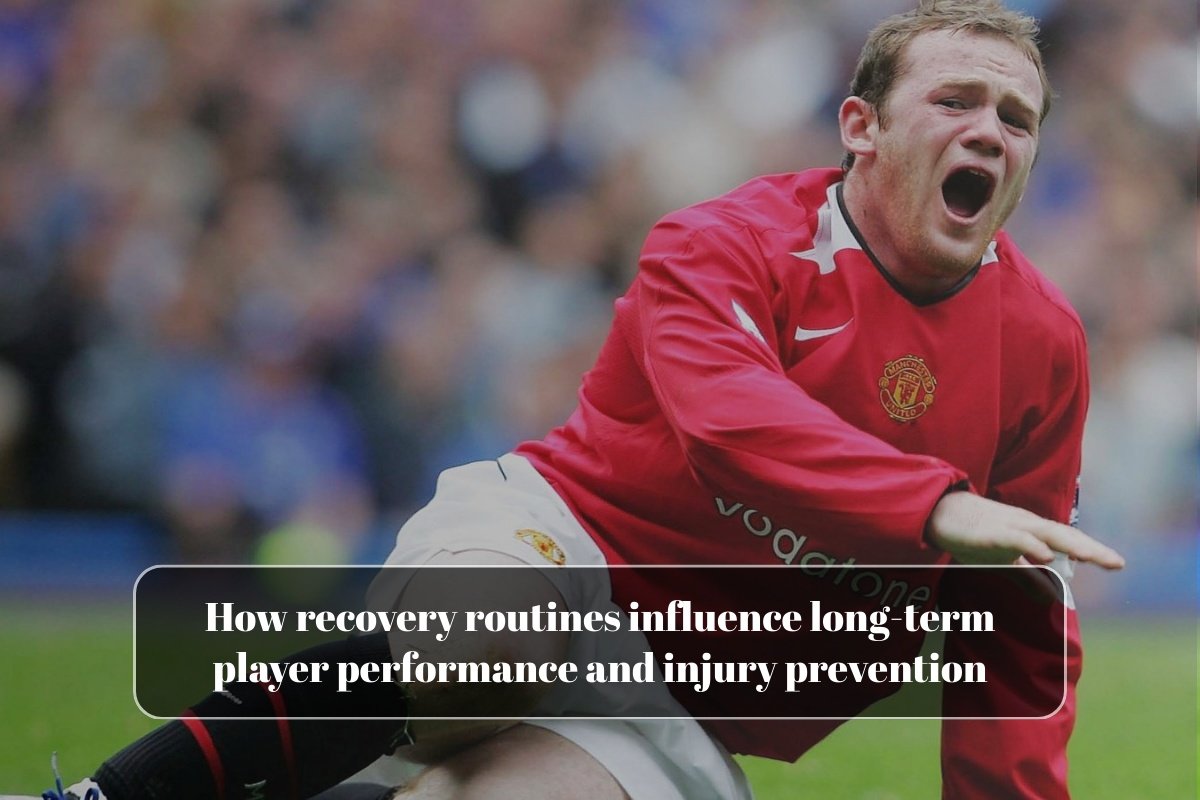
In elite football, training hard is only half the equation. The other half—often less visible but equally decisive—is recovery. Over a long season, recovery ...
Physical conditioning and injury prevention are critical for developing footballers in the US, reducing injury rates by up to 50% while building athleticism for ...
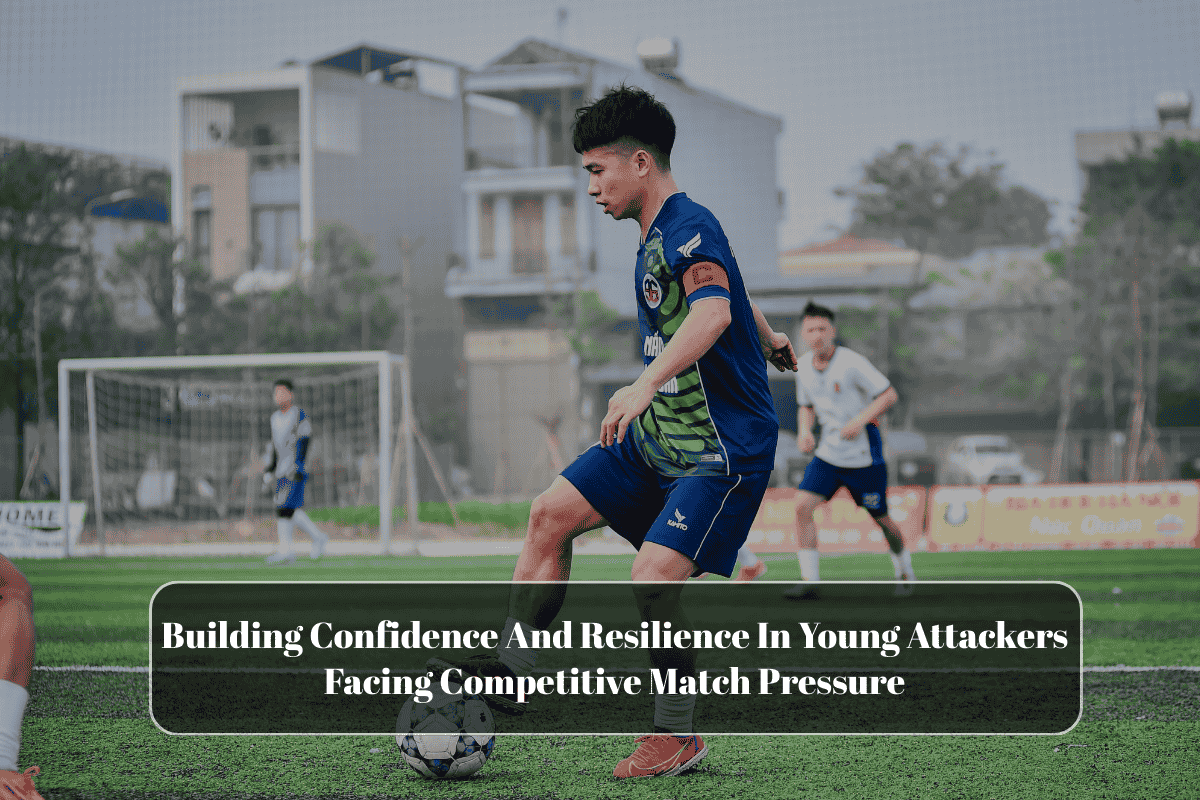
Young attackers in competitive US youth soccer face intense pressure from defenders, crowds, and expectations, but targeted training builds lasting confidence and resilience. Coaches ...
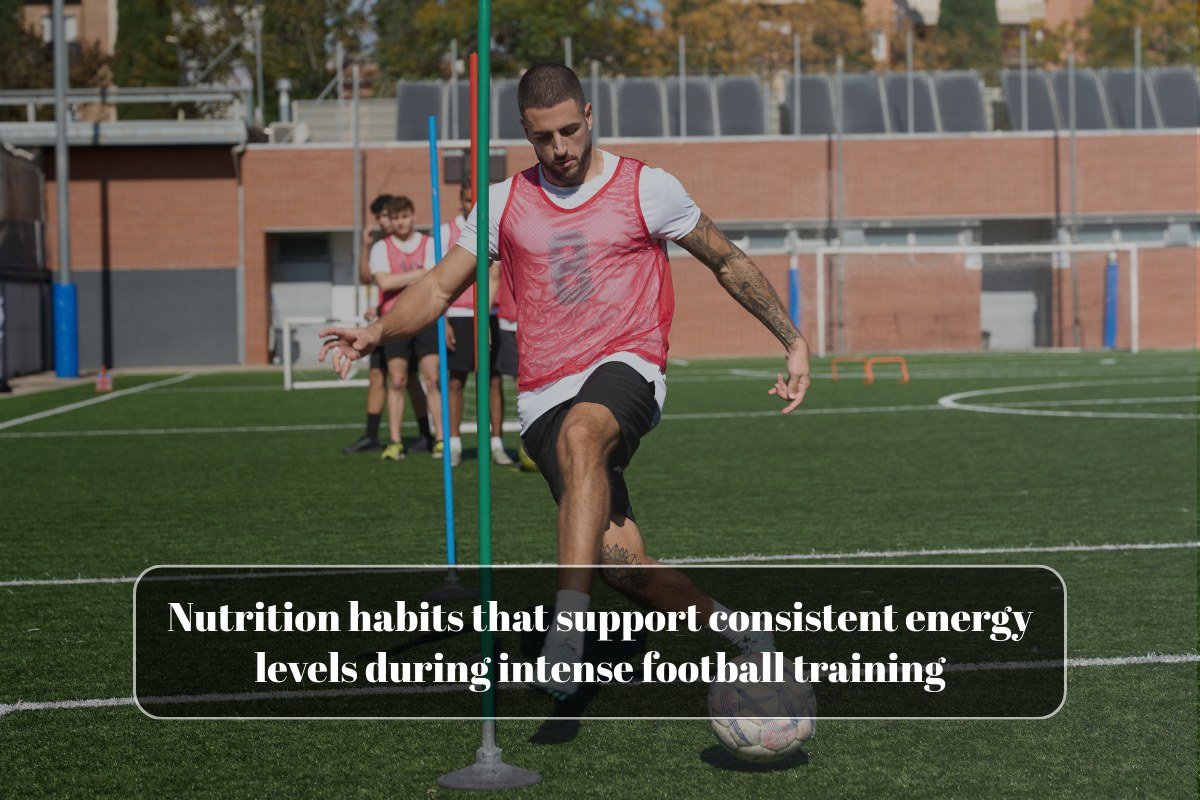
Intense football training places heavy demands on the body. Repeated sprints, strength work, tactical drills, and recovery sessions all rely on sustained energy, sharp ...
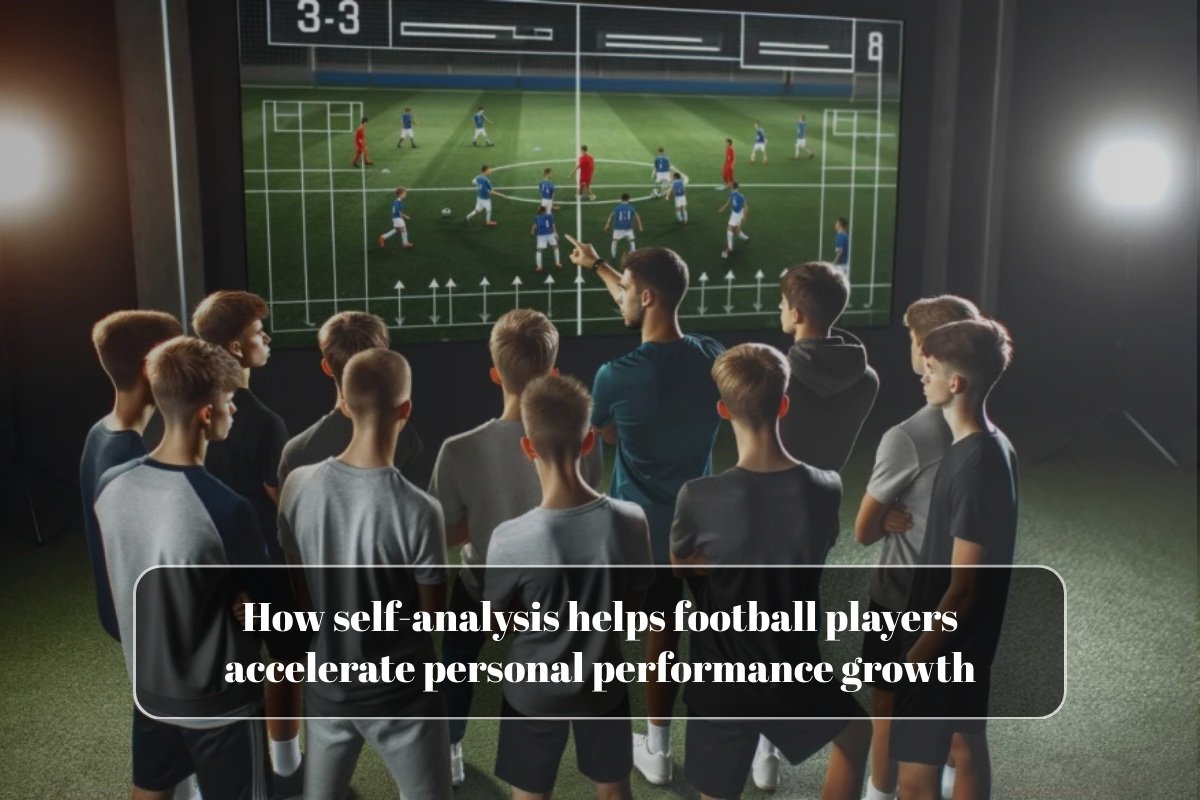
Modern football rewards players who think as sharply as they play. Physical talent and tactical coaching remain essential, but self-analysis has become one of ...
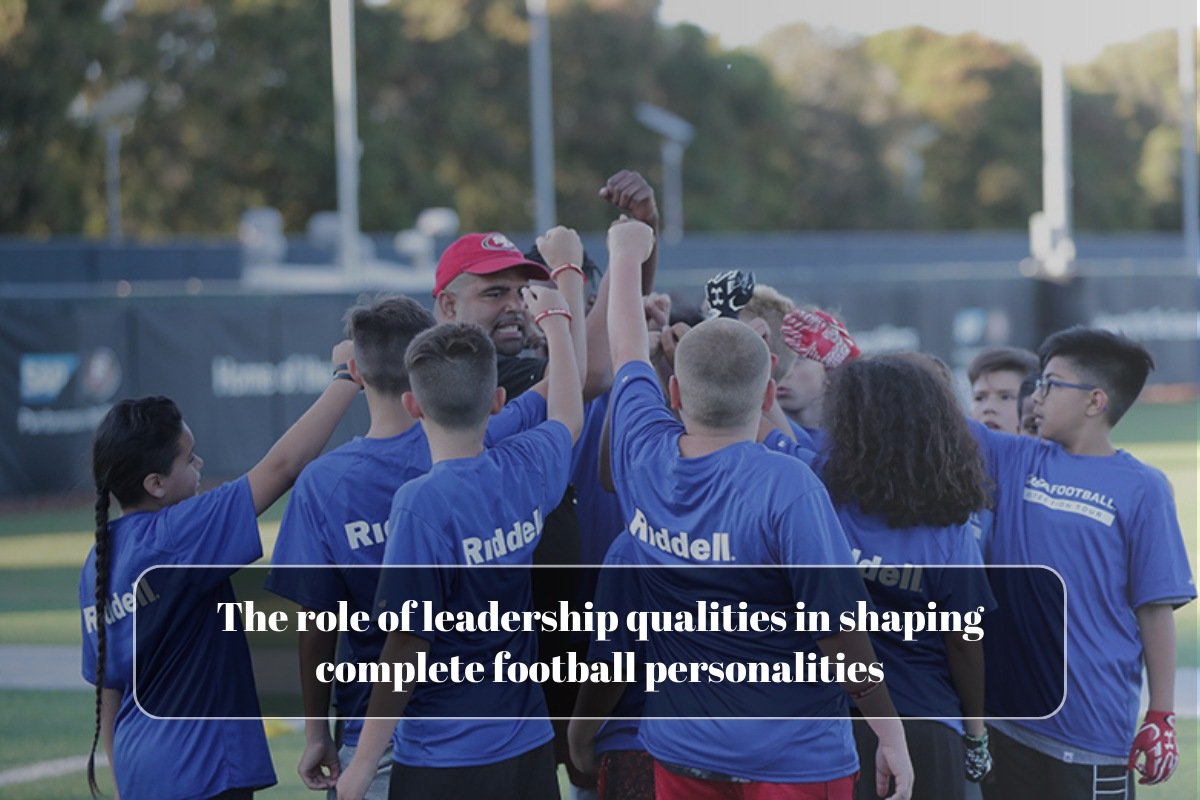
Football excellence is often measured by technical ability, physical fitness, and tactical awareness. Yet the players who leave a lasting impact on teams and ...
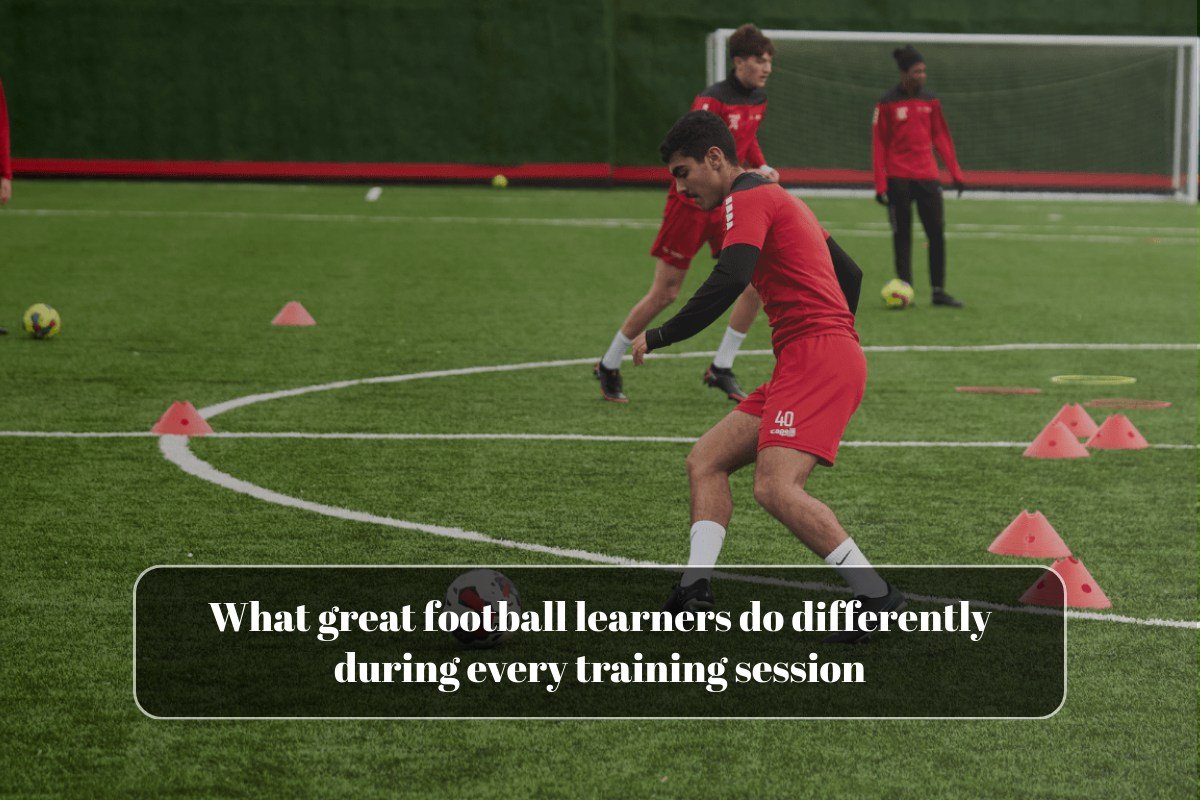
Great football learners approach every training session with a mindset that goes beyond routine drills or physical exertion. While many players simply “show up ...
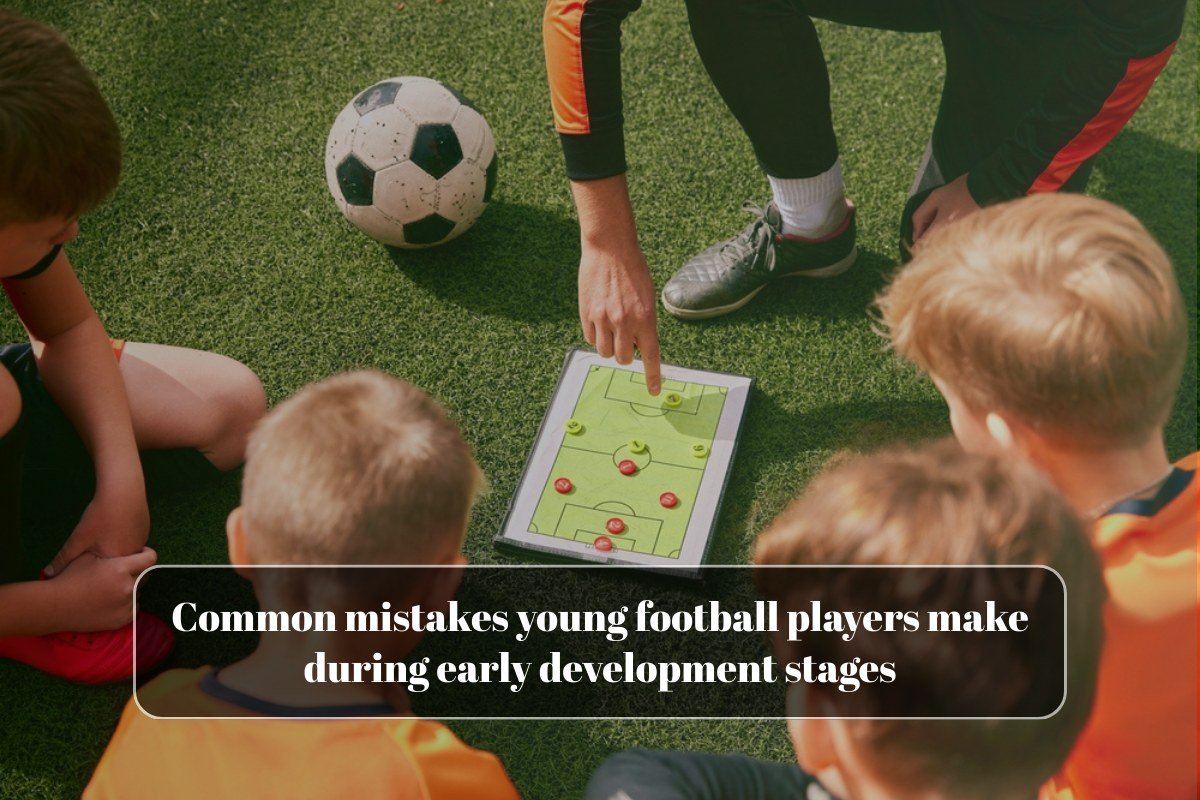
Early development is a critical phase in a young football player’s journey. Habits formed during these years often shape long-term performance, confidence, and enjoyment ...
Confident body language plays a crucial role in sports by boosting self-assurance, influencing perceptions, and sharpening decision-making under pressure. Athletes who project confidence through ...