Structured team movements cultivate attacking patterns that create space, overload defenses, and finish clinically, elevating youth and amateur teams to competitive levels. U.S. soccer ...
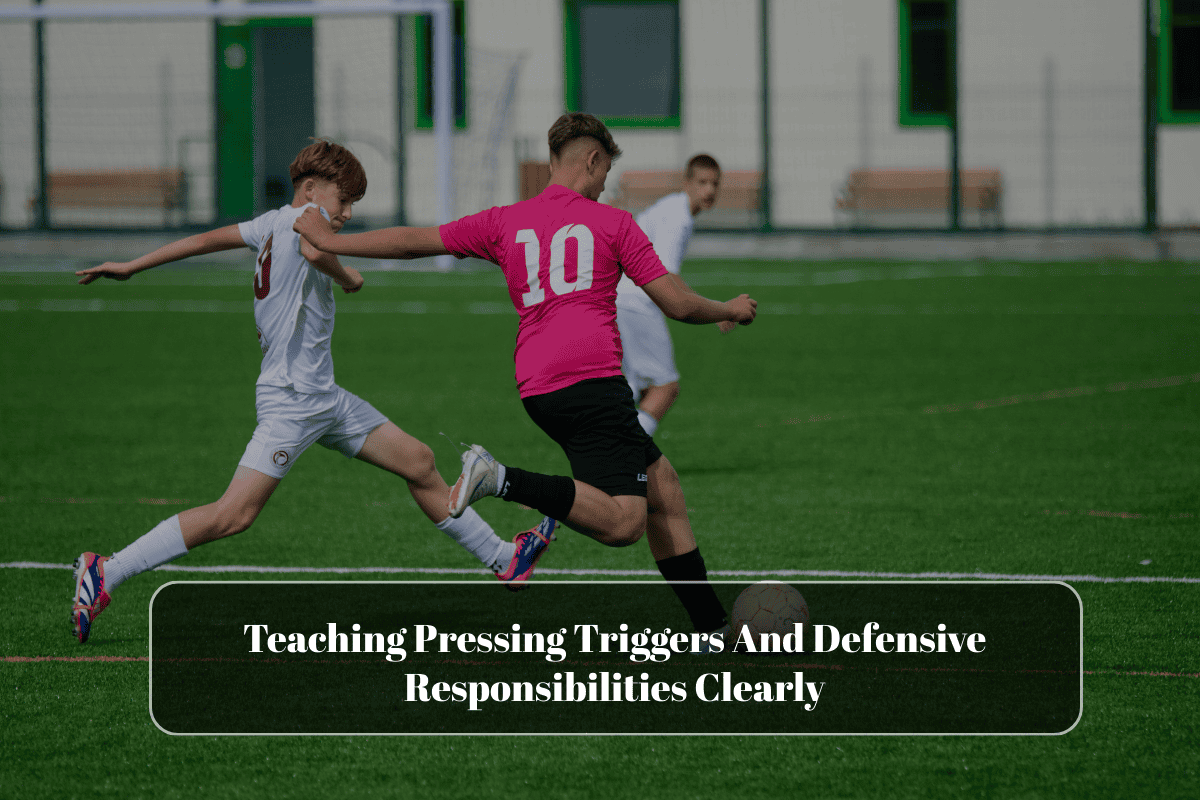
Clear instruction on pressing triggers and defensive responsibilities equips young footballers with tactical awareness, turning chaotic defense into organized resistance. U.S. youth coaches use ...
Tactical communication on the pitch synchronizes 11 players into a unified machine, preventing breakdowns that cost 40-60% of goals conceded in disorganized youth teams. ...
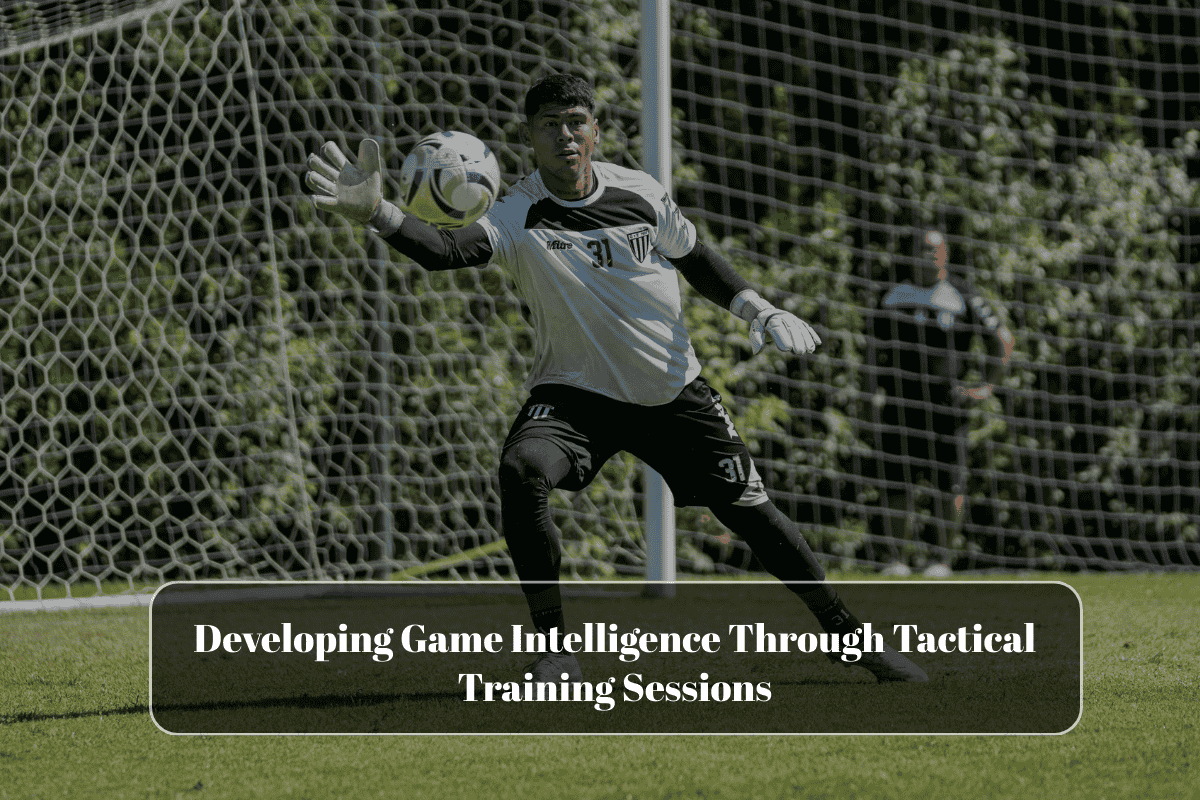
Developing game intelligence through tactical training sessions equips young footballers with the cognitive edge to read plays, anticipate moves, and make split-second decisions on ...
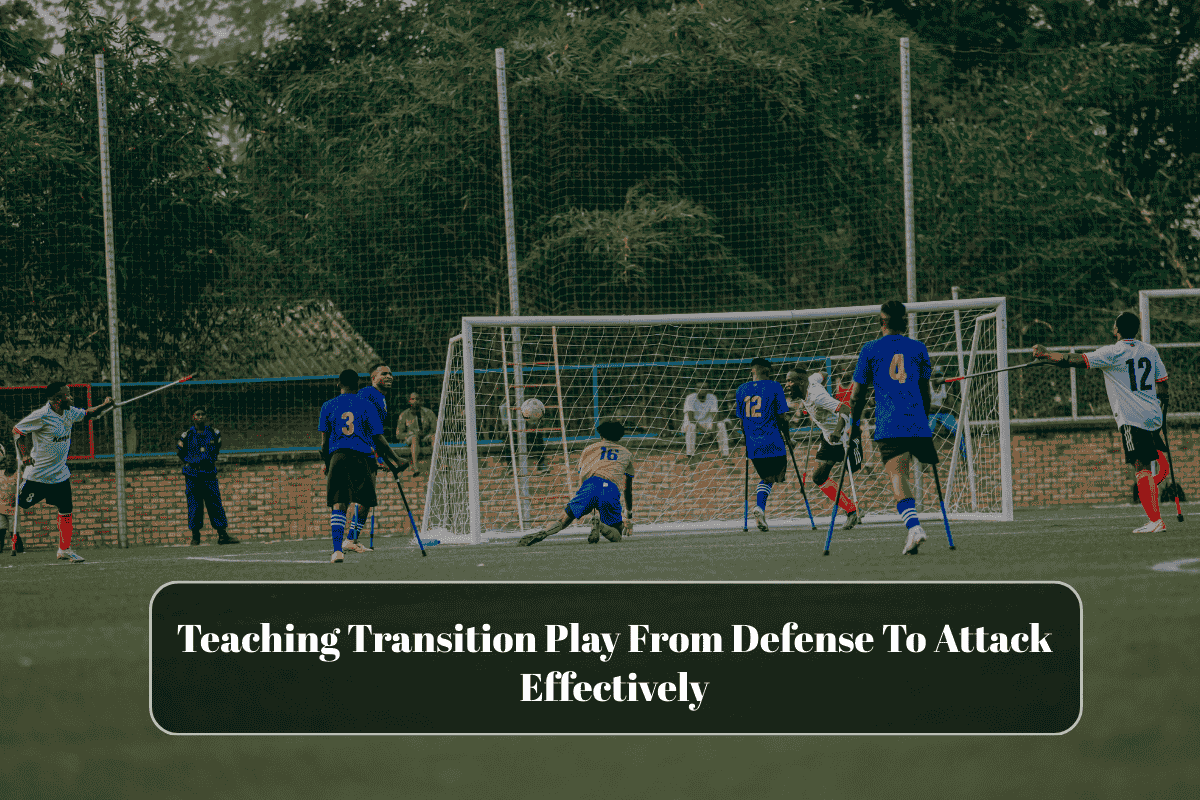
Teaching transition play from defense to attack effectively transforms reactive teams into dynamic, goal-scoring machines, a cornerstone of modern youth soccer and basketball coaching. ...
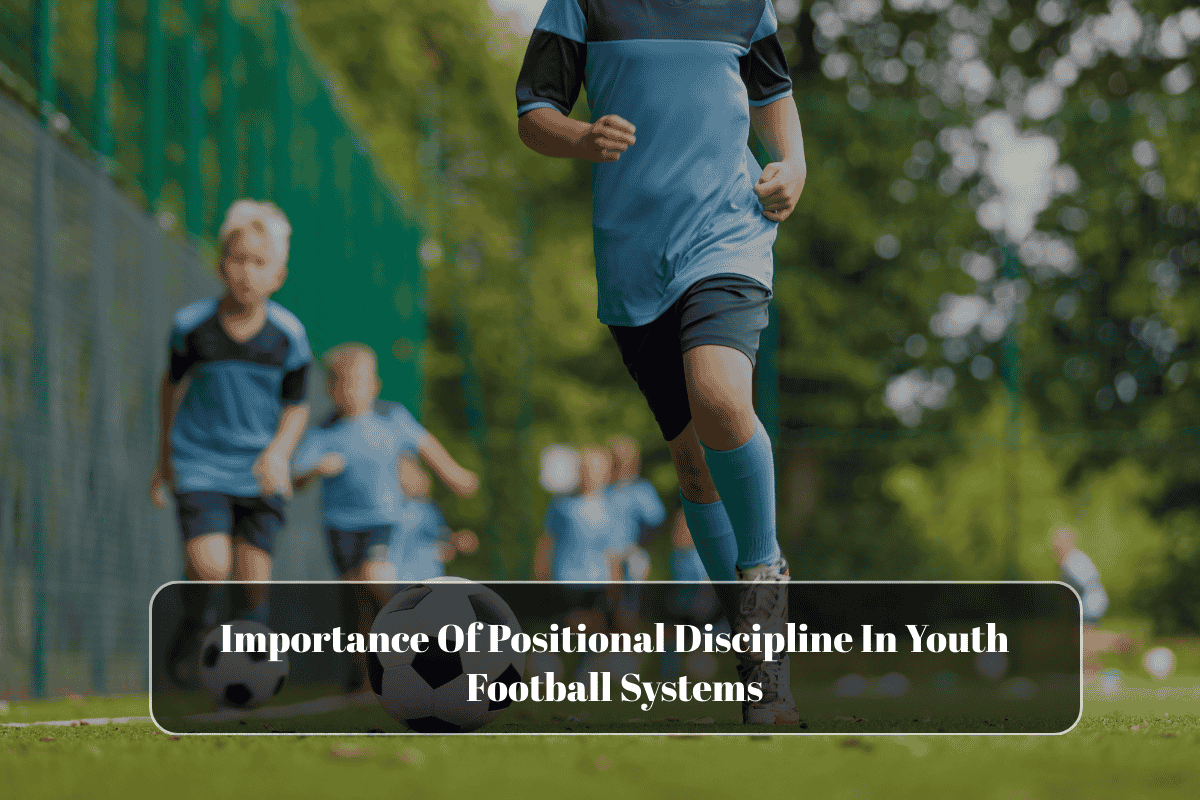
Positional discipline forms the backbone of effective youth football systems in the US, teaching players to maintain structure amid chaos, which reduces goals conceded ...
Wide players stretch defenses and create attacking space by hugging touchlines, making diagonal runs, and combining with fullbacks to drag markers wide. In U.S. ...
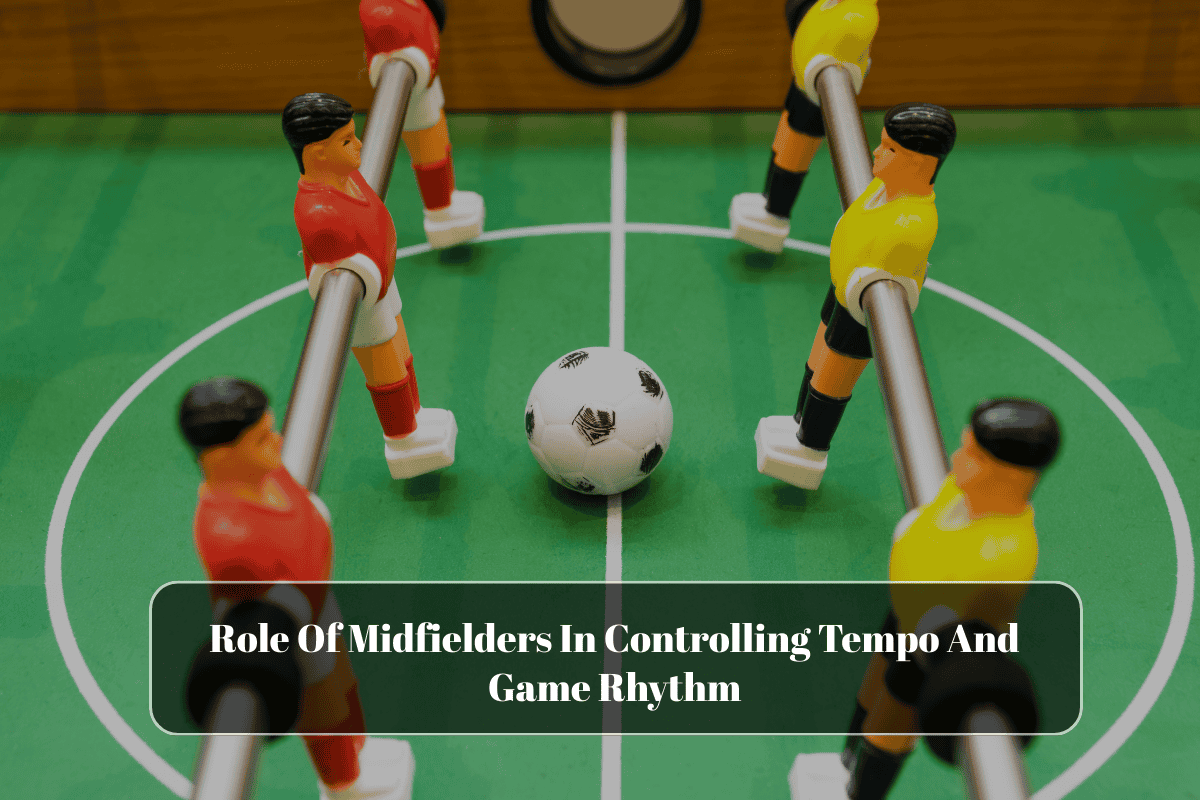
Midfielders serve as the heartbeat of soccer teams, dictating tempo and rhythm to orchestrate fluid transitions between defense and attack. In US professional leagues ...
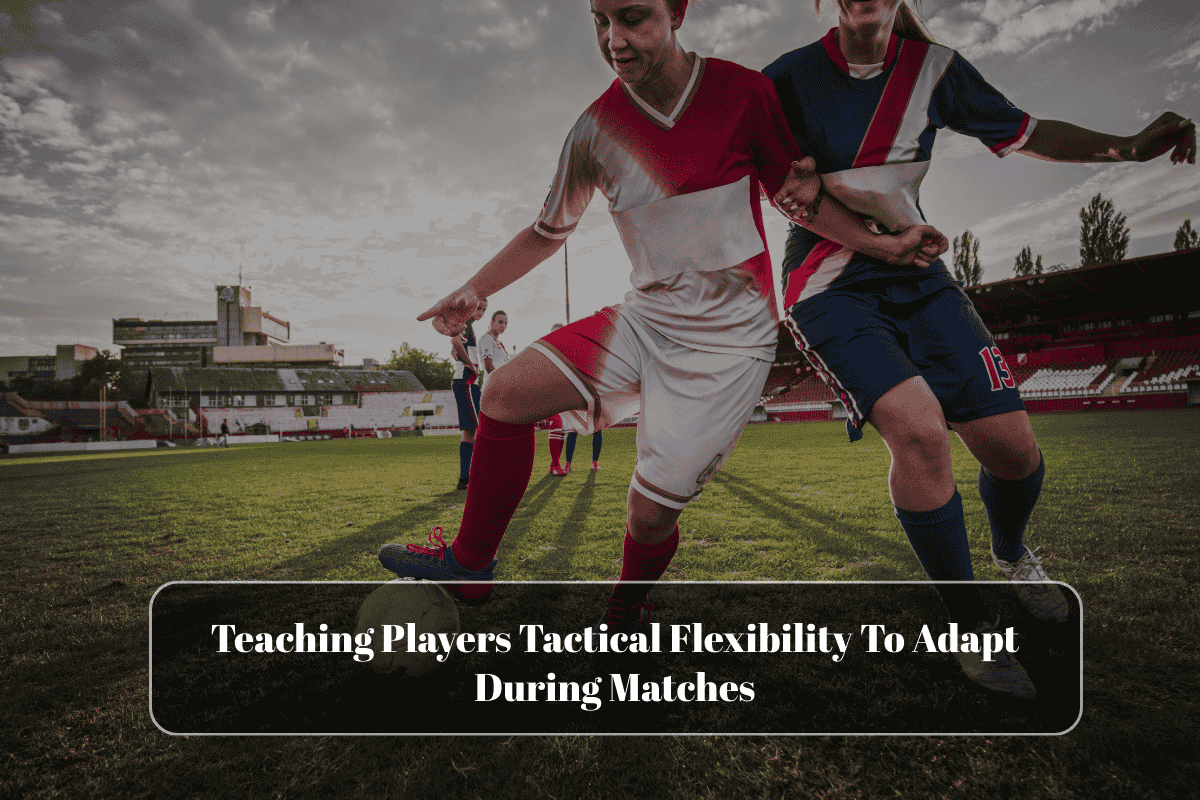
Football academies and grassroots programs teach tactical flexibility through dynamic training that equips players to read games, switch formations, and adapt roles mid-match. This ...
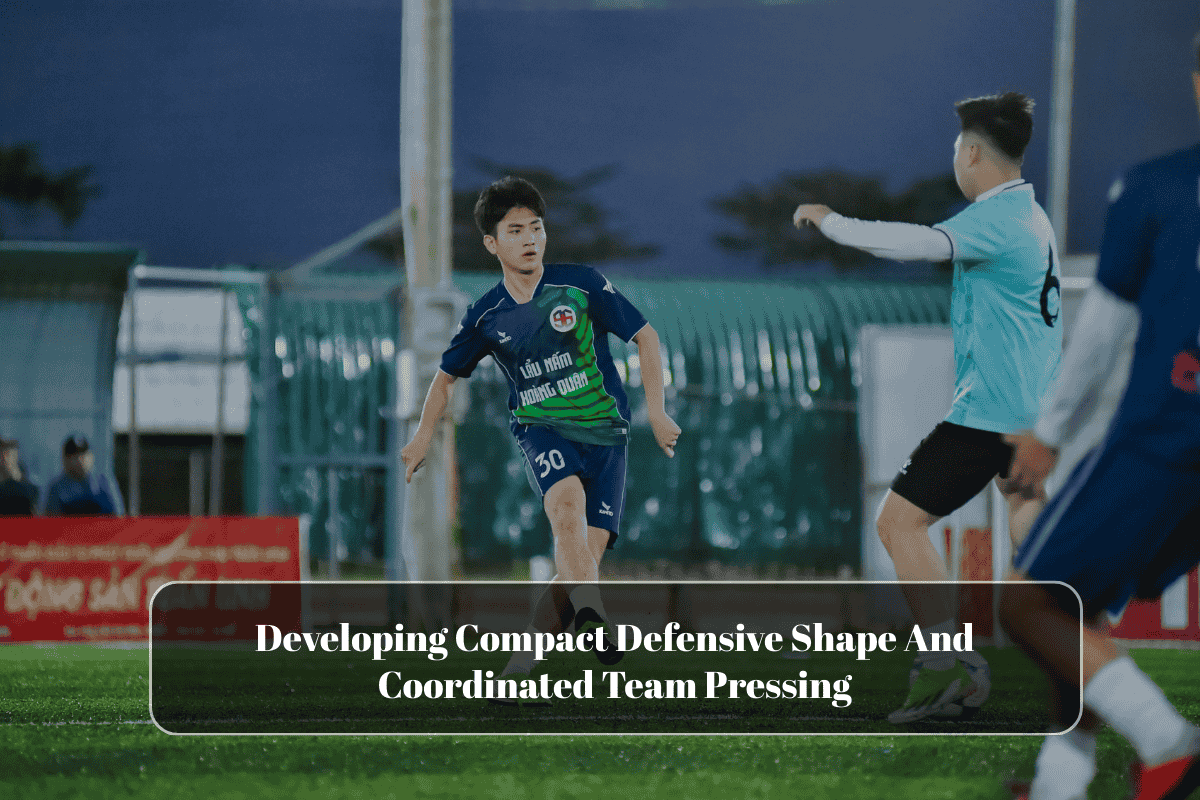
Compact defensive shape and coordinated pressing form the backbone of successful U.S. youth football defenses, stifling offenses while building disciplined teams. These tactics, drawn ...