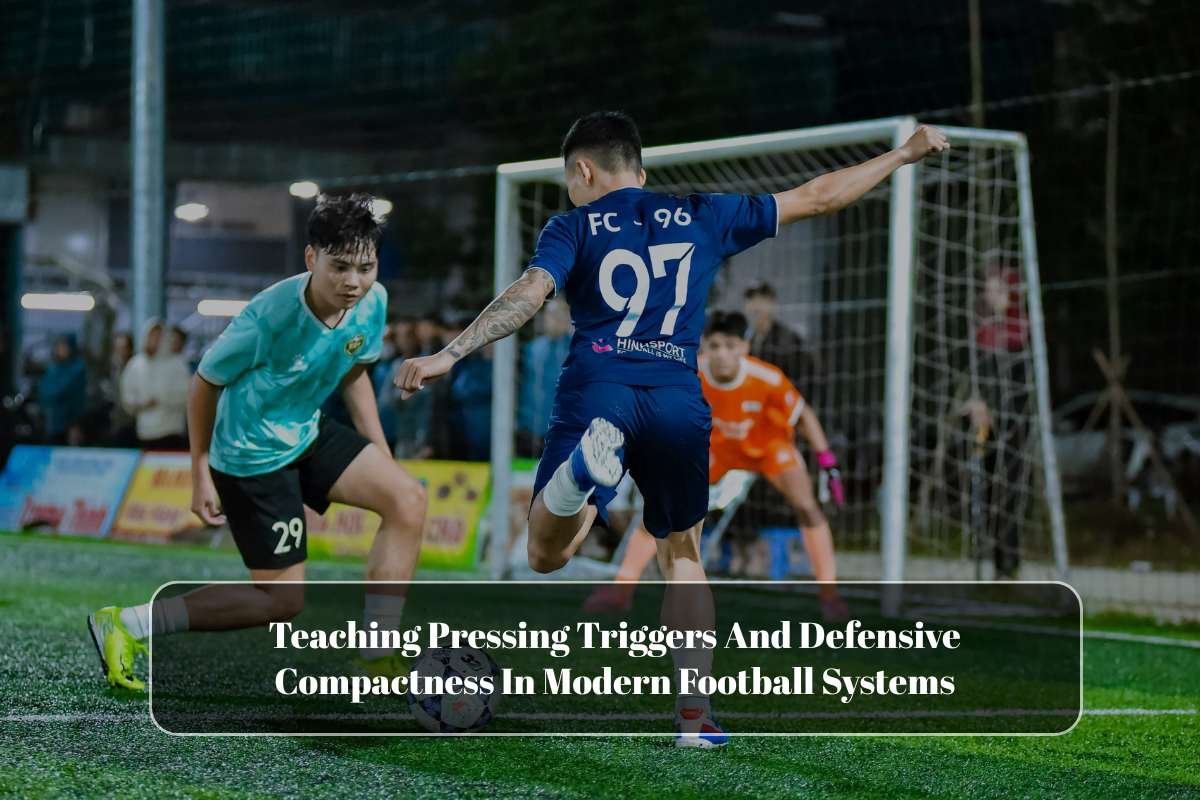
Modern football demands high-intensity pressing and defensive compactness to regain possession quickly and control space, as seen in U.S. MLS academies and college programs ...
Structured build-up play forms the tactical backbone of U.S. youth soccer, teaching players to patiently possess from back to front using principles like width, ...
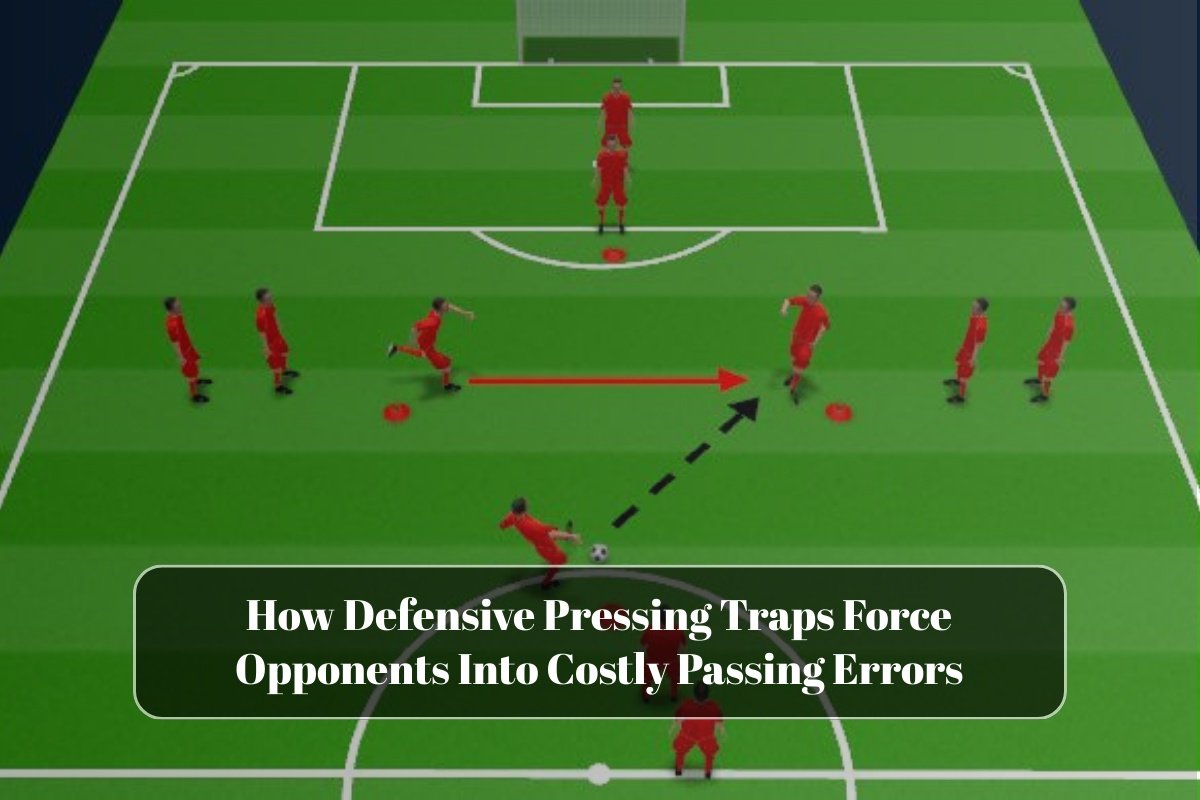
In modern football, defensive success is no longer defined solely by deep blocks or last-ditch tackles. One of the most effective tactical tools today ...
Half-spaces, the zones between central channels and wide flanks, hold strategic importance in advanced attacking soccer systems by offering optimal passing angles, overloading defenses, ...
Tactical flexibility empowers US coaches to pivot strategies mid-game, turning deficits into victories across sports like NFL, NBA, and MLS. This adaptability relies on ...
Wide overloads represent a key soccer tactic where attacking teams create numerical superiority on the flanks to dismantle compact defenses, a strategy increasingly vital ...
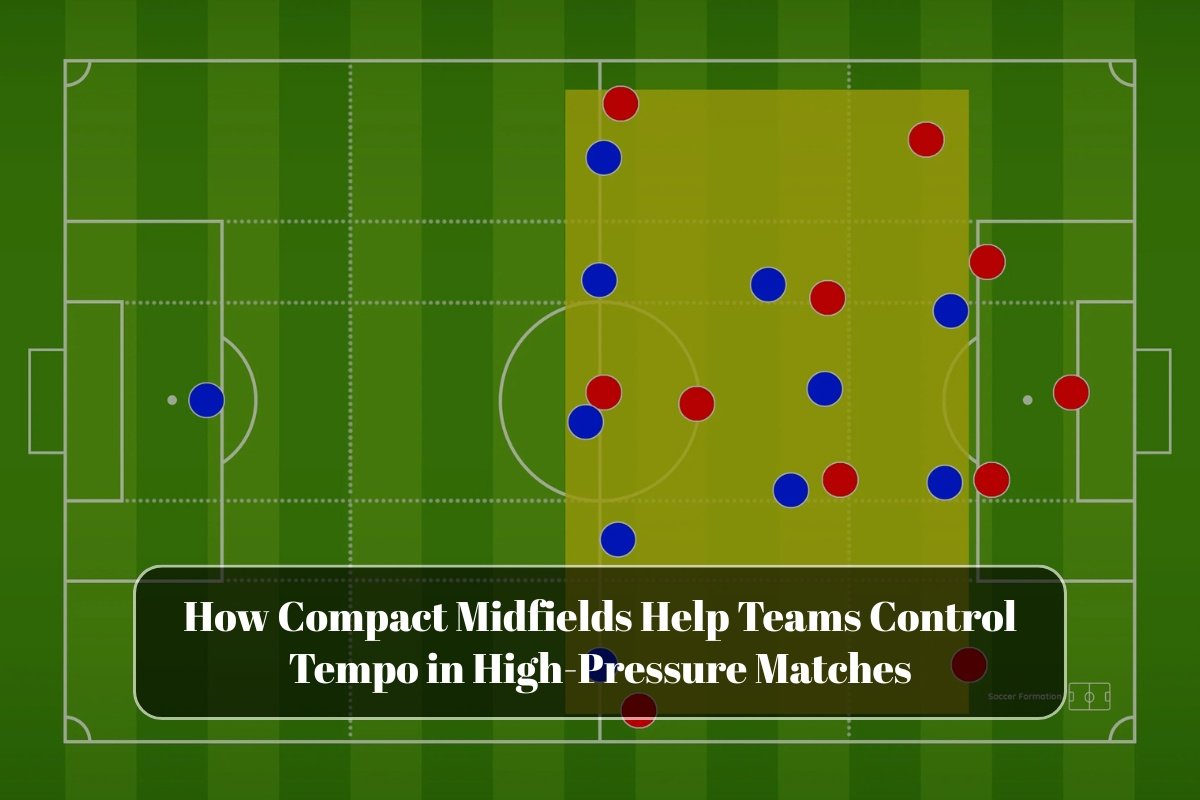
In elite football, the ability to control tempo often determines the outcome of high-pressure matches. When space is limited, stakes are high, and momentum ...
Fullbacks have evolved into pivotal architects of build-up play in modern soccer, particularly in MLS and U.S. academies adopting European tactics, where they provide ...
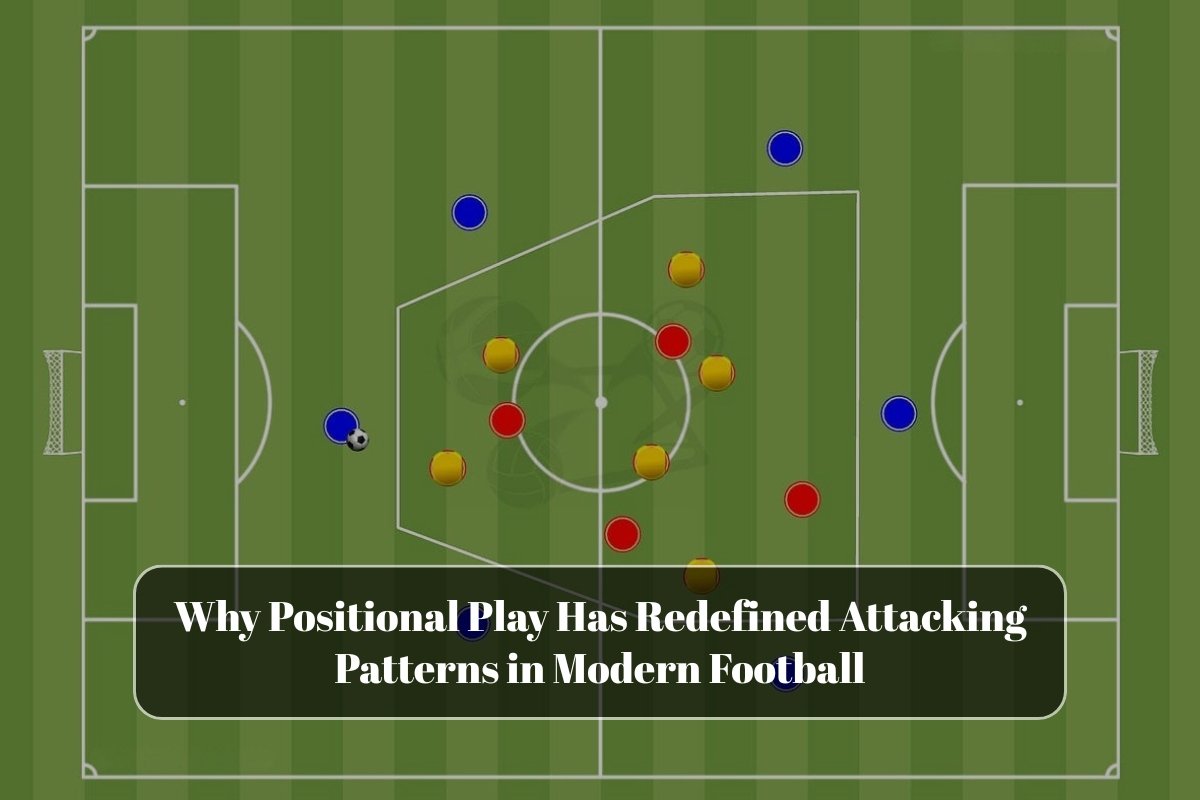
Positional play, or “Juego de Posición,” organizes players into structured zones to control space, create overloads, and dismantle defenses systematically. Pioneered by Johan Cruyff ...