Early development is a critical phase in a young football player’s journey. Habits formed during these years often shape long-term performance, confidence, and enjoyment of the game. While mistakes are a natural part of learning, certain recurring errors can slow progress or increase the risk of burnout and injury. Understanding these common mistakes helps players, parents, and coaches create a healthier and more effective development pathway.
Focusing Too Much on Winning Instead of Learning
One of the most common mistakes is prioritizing match results over skill development. Young players may become overly concerned with goals, trophies, or selection, which can create pressure and limit creativity. At early stages, football should emphasize learning fundamentals, decision-making, and enjoyment. When winning becomes the sole focus, players may avoid taking risks that are essential for growth.
Neglecting Technical Fundamentals

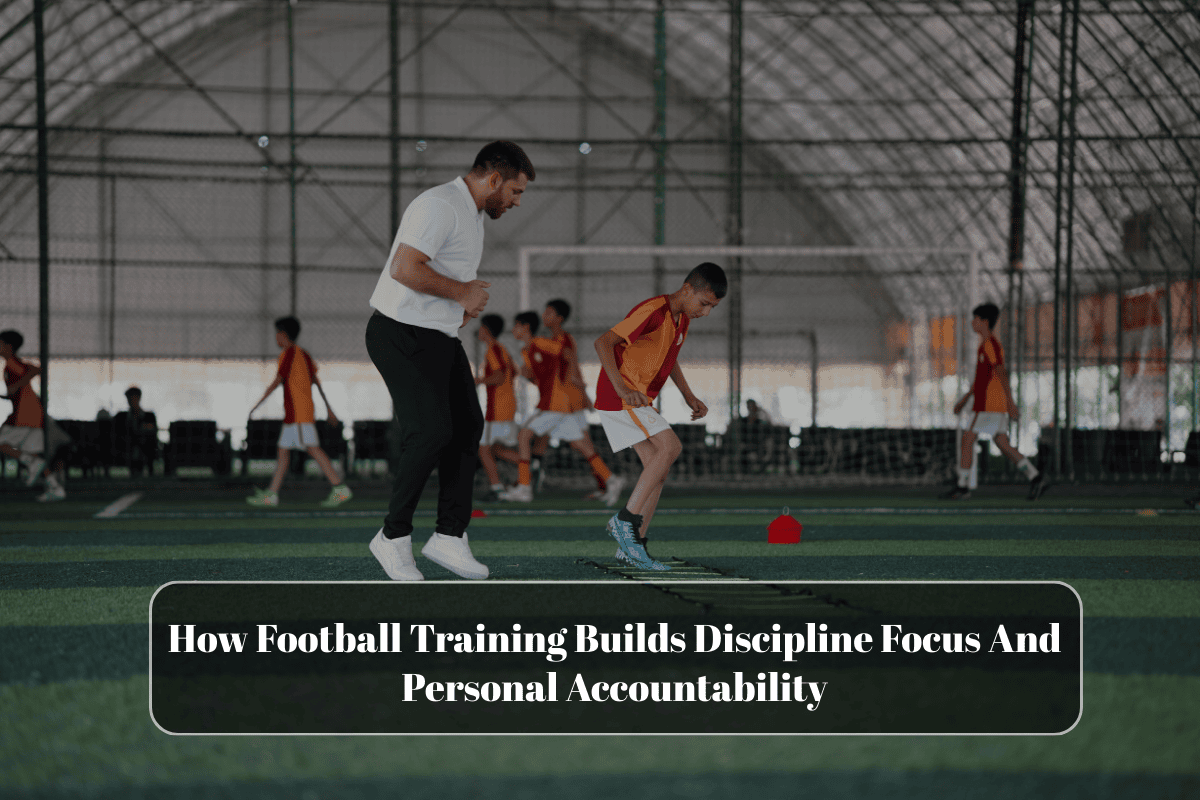
Some young players rush into advanced tactics without mastering basic skills such as passing, receiving, dribbling, and ball control. Strong fundamentals are the foundation of confident play. Skipping this stage often leads to frustration later, when the speed and intensity of the game increase. Repetition of simple techniques, even if it feels boring, is essential for long-term improvement.
Overtraining and Lack of Rest
Enthusiasm can sometimes turn into overtraining. Playing too many matches, training excessively, or participating in multiple teams without adequate rest increases the risk of injury and mental fatigue. Young bodies are still developing and need recovery time. Proper rest supports physical growth, reduces burnout, and helps players maintain motivation for the sport.
Poor Attitude Toward Coaching and Feedback
Another frequent mistake is resisting feedback. Young players may become defensive when corrected or discouraged by criticism. Development requires openness to learning and understanding that mistakes are part of progress. A positive attitude toward coaching helps players improve faster and build resilience, both on and off the pitch.
Trying to Specialize Too Early

Early specialization—focusing on a single position or style too soon—can limit overall development. Young players benefit from experiencing different positions, roles, and even other sports. This variety improves coordination, game understanding, and adaptability. Versatile players often develop better tactical awareness and long-term athletic skills.
Ignoring Physical Preparation and Injury Prevention
Many young players focus only on playing with the ball while neglecting basic physical preparation. Warm-ups, stretching, balance exercises, and strength development appropriate for age are often overlooked. This increases injury risk and limits performance. Learning proper movement patterns early supports safer and more effective play as physical demands increase.
Comparing Themselves Too Much to Others
Constant comparison with teammates or professional players can harm confidence. Every young footballer develops at a different pace physically, mentally, and technically. Comparing progress too early may lead to frustration or loss of motivation. Focusing on personal improvement and effort is far more beneficial during development stages.
Losing the Joy of the Game
Perhaps the most damaging mistake is forgetting to enjoy football. Excessive pressure from self, parents, or external expectations can turn the game into a source of stress. Enjoyment fuels creativity, commitment, and long-term participation. Players who love the game are more likely to persist through challenges and continue improving.
Building a Strong Foundation for the Future
Avoiding these common mistakes does not require perfection—only awareness and balance. By focusing on learning, maintaining healthy training habits, embracing feedback, and keeping the joy of football alive, young players can build a strong foundation for long-term success. Early development is not about being the best today, but about becoming better tomorrow.
FAQs
At what age should young football players focus on winning matches?
Winning becomes more relevant later, but early stages should prioritize skill development, learning, and enjoyment.
How many training sessions per week are healthy for young players?
This depends on age, but balance is key—adequate rest days should always be included to prevent fatigue and injury.
Is it bad for young players to play multiple positions?
No. Playing different positions improves overall understanding, adaptability, and long-term development.
How can parents help young players avoid burnout?
Encouraging rest, supporting enjoyment, and focusing on effort rather than results helps protect motivation.
What is the most important factor in early football development?
Consistent learning in a positive, supportive environment where the player enjoys the game.