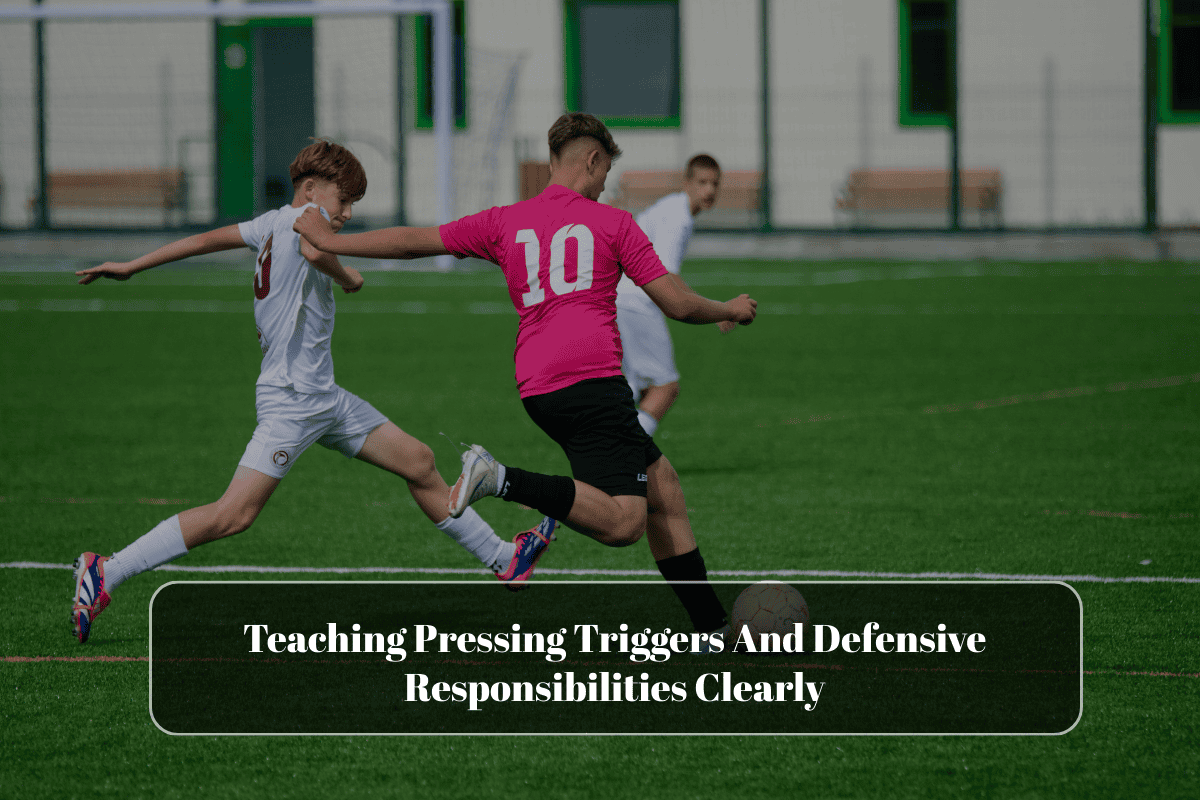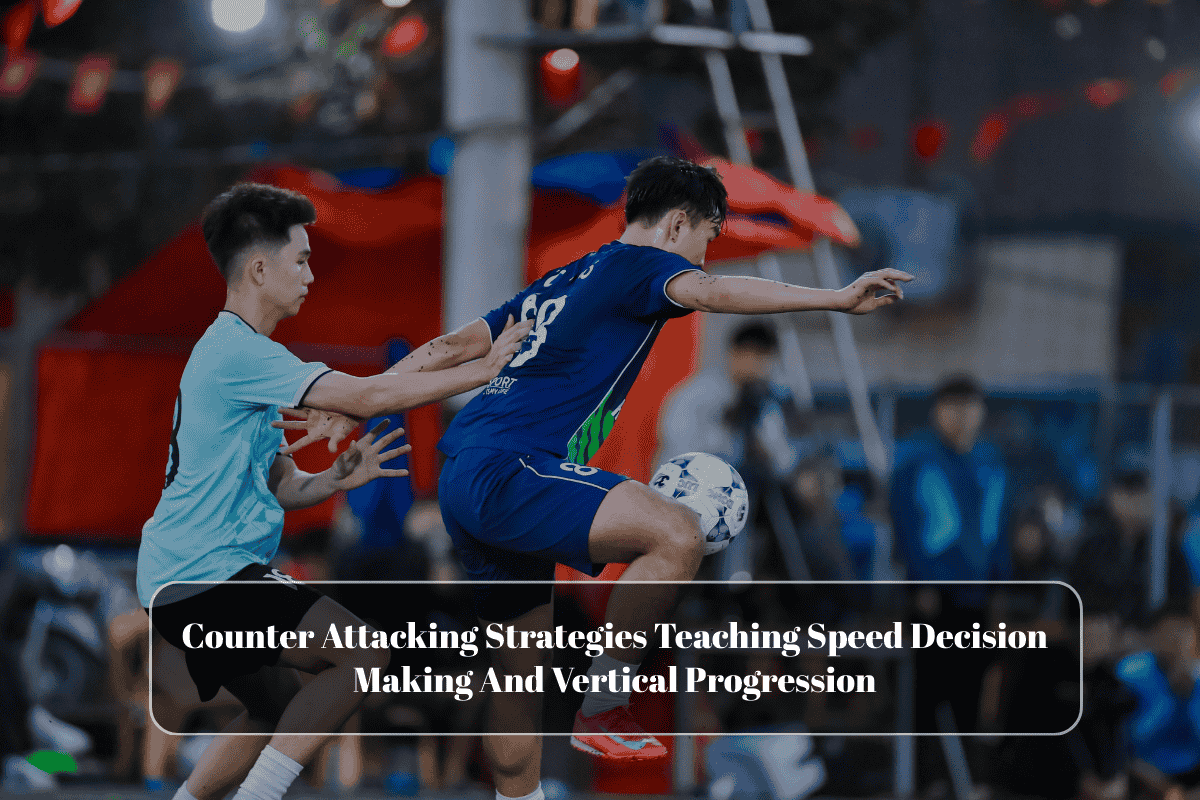
Counter-attacking strategies revolutionize youth soccer by emphasizing explosive speed, sharp decision-making, and vertical progression to exploit transitional moments. In U.S. youth academies like those affiliated with MLS Next, these tactics turn defensive wins into goals 30-40% faster than possession play, building confident, adaptable players.
Core Principles of Counter-Attacks
Win the ball high, then transition instantly: fullbacks surge forward while midfielders scan for overloads, targeting spaces behind committed presses. Vertical passes—long diagonals or through-balls—bypass midfields, prioritizing forward momentum over sideways buildup. Speed trumps control; one-touch play limits touches to 3-5 before shots, catching foes with numbers down.
Speed Training Drills

3v2 overloads mimic regains: defenders have 5 seconds to counter into mini-goals, attackers press urgently then explode behind on turnover. Narrow pitches force direct runs, enhancing sprint mechanics—U17 sessions hit 90% max velocity. Progress to waves: second-ball serves simulate sustained attacks, ingraining rapid reactions.
Decision-Making Cues
Players read triggers—opponent fullback advances or center-back steps up—scanning shoulders pre-reception for passing lanes. Coaches cue “break now” on intercepts, rewarding 1v1 risks over safe sideways. Blayze principles stress awareness: wingers check inside-out, midfielders weigh pass vs. drive, boosting choices under fatigue.
Vertical Progression Tactics
Exploit half-spaces: #10 drops deep to turn, feeding wingers curving runs beyond last defender. Long balls over top suit pacey forwards, but layered options—ground slashes for midfield runners—add unpredictability. Formations like 4-3-3 compress defense, exploding via dual threats: near-side overload or opposite diagonal.
Youth Development Focus
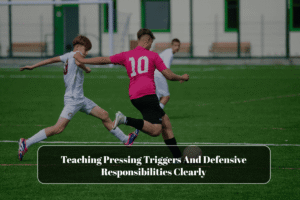
Start U12s with possession-to-attack rondos, evolving to 9v9 SSGs where counters score double. PDP sessions build physicality through timed finishes, fostering habits for pro pathways. MLS academies track metrics: transition goals rise 25% post-6 weeks, aligning with your sports tactics interest for holistic growth.
Defensive-to-Attack Transitions
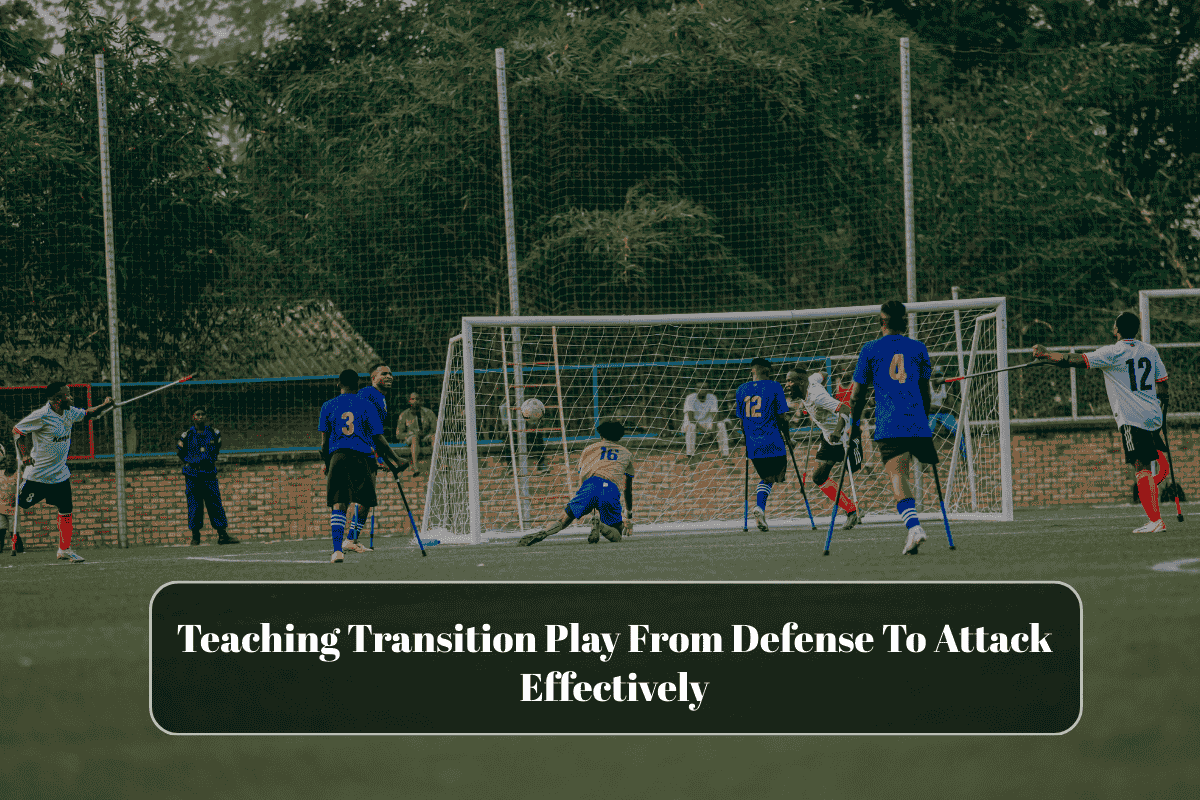
Compact mid-block absorbs pressure, then releases on turnover: holding mids pivot instantly, fullbacks overlap at 80% sprint. Drills like Jonas Urias’ 3v3 possession force reactions, opening spaces via runs in-behind. Confidence grows as kids score from “steals,” reducing hesitation.
Game Scenarios and Adjustments
Against high lines, lofted passes punish; vs. deep blocks, combos draw then penetrate. Half-time tweaks: sub fresh legs for pace, switch triggers mid-game. Case studies—youth teams upsetting possession sides—show 60% counters from final-third regains.
Coaching and Feedback Loops

Video breakdowns reward vertical risks; live cues like “space!” sharpen instincts. Track via Polar data: decisions per minute up 35%. Ties to long-term development: speed cognition translates to careers, empowering future stars.
These strategies make underdogs dangerous, perfect for U.S. youth soccer’s competitive edge.
FAQs
1. What’s the first step in a counter-attack?
Win ball high, scan instantly, vertical pass to space—3 touches max before shot.
2. How to train speed for counters?
3v2 overloads with 5-8 sec limits; narrow fields force sprints and direct play.
3. Key decision cues for youth?
Opponent advances or gaps—check shoulders, reward 1v1 risks over safe passes.
4. Best formation for vertical progression?
4-3-3: mids pivot, wingers curve runs, fullbacks overlap for layered threats.
5. How long to see tactical improvements?
4-6 weeks of SSGs; transition goals up 25% per MLS youth academy data.