Talent can open the door in football, but daily habits are what keep players improving year after year. Many young footballers focus heavily on match performance while overlooking the small, consistent behaviors that build long-term growth.
Lasting improvement does not come from occasional intense effort, but from disciplined routines that develop skill, mindset, and physical resilience over time. By building the right daily habits early, young players give themselves the foundation needed to progress at every stage of the game.
Consistent Ball Work Every Day

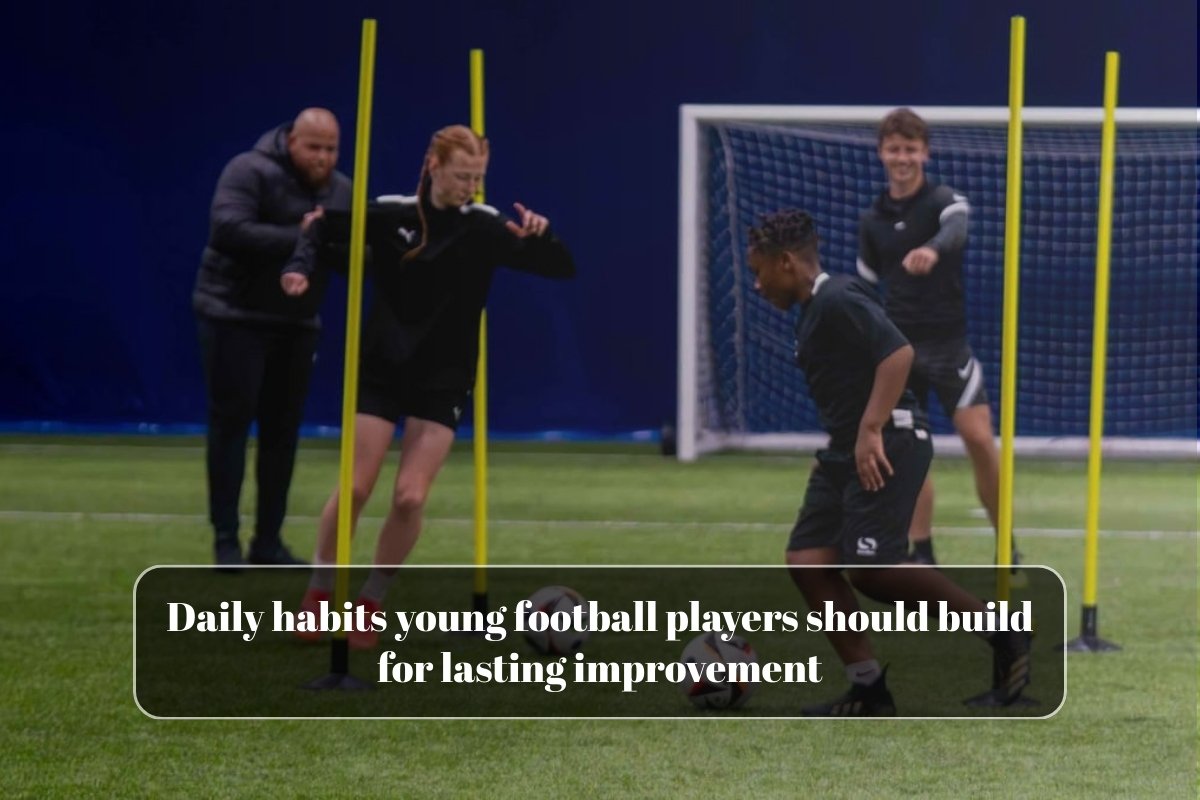
Technical ability improves fastest through regular contact with the ball. Young players who spend time each day on simple touches, passing against a wall, dribbling drills, or first-touch exercises develop stronger control and confidence.
These sessions do not need to be long or complicated. What matters most is consistency. Ten to twenty focused minutes daily often has a greater impact than long, irregular training sessions. Regular ball work builds muscle memory and makes technical skills feel natural during matches.
Developing a Strong Work Ethic in Training
Training sessions are opportunities to grow, not just routines to complete. Young players who approach training with focus, effort, and curiosity progress faster than those who simply go through the motions.

This includes listening carefully to coaches, giving full effort in drills, and treating every repetition as meaningful. A strong work ethic also involves staying engaged even when drills feel difficult or frustrating. These habits build mental toughness that carries into competitive situations.
Prioritizing Physical Conditioning and Movement Quality
Football performance depends heavily on physical readiness. Daily habits that support conditioning help young players stay healthy and improve their athletic development.
This does not mean extreme workouts, especially for younger athletes. Instead, it includes habits such as light mobility work, stretching, proper warm-ups, good posture, and body awareness. Simple routines that support flexibility, coordination, and balance help prevent injuries and build long-term physical resilience.
Maintaining Healthy Nutrition and Hydration

What young players eat and drink has a direct impact on their energy, recovery, and performance. Building healthy nutrition habits early supports both football development and overall wellbeing.
Daily habits such as drinking enough water, eating balanced meals, avoiding excessive processed foods, and fueling the body before and after training make a real difference. Good nutrition helps players concentrate better, recover faster, and maintain consistent energy levels.
Building a Growth Mindset Through Self-Reflection
Improvement is not only physical; it is also mental. Players who develop the habit of reflecting on their performances often progress faster.
This can be as simple as asking questions after training or matches: What went well today? What was difficult? What can I work on tomorrow? This mindset encourages ownership of development rather than relying entirely on coaches for feedback.
Practicing Discipline and Time Management
Many young footballers struggle to balance school, family life, and sport. Building daily habits of discipline helps create stability and long-term success.
This includes arriving on time to training, completing school responsibilities, managing screen time, and creating routines around rest and preparation. Players who learn to manage their time effectively are better equipped to handle higher levels of competition later on.
Watching and Learning From the Game
Football understanding grows when players engage with the game beyond their own training sessions. Watching matches with curiosity can become a powerful learning habit.
Instead of only watching for entertainment, young players can observe positioning, movement off the ball, decision-making, and teamwork. This habit improves tactical awareness and helps players see the game more clearly when they are on the pitch themselves.
Emphasizing Rest and Quality Sleep
Rest is often underestimated, yet it is essential for growth and performance. Muscles recover, the brain processes learning, and the body develops during sleep.
Young footballers who prioritize good sleep habits support their physical development and reduce the risk of burnout. Consistent bedtimes, reduced screen use before sleep, and allowing the body enough recovery time are all important long-term habits.
Showing Respect and Positive Attitude Daily
Character matters in football development. Coaches, teammates, and mentors notice players who consistently demonstrate respect, humility, and positive behavior.
Daily habits such as encouraging teammates, accepting feedback calmly, and responding constructively to setbacks help build strong relationships. These qualities often open doors to leadership opportunities and create a reputation that supports long-term progression.
Staying Patient With the Development Process
Improvement in football is rarely linear. Some days feel like progress, others feel frustrating. A crucial habit for young players is learning to stay patient and committed even when results are not immediate.
Daily consistency, rather than quick success, is what shapes strong players over time. Those who trust the process and remain dedicated to their habits are more likely to experience meaningful long-term growth.
Frequently Asked Questions
How much time should young players spend training each day?
Quality matters more than quantity. Even 30 to 60 minutes of focused practice, including ball work and physical care, can be highly effective when done consistently.
Do young footballers need to train every single day?
They should build daily habits, but rest is also essential. Light technical work, reflection, or recovery can be part of productive days without intense physical training.
What is the most important habit for improvement?
Consistency. Regular effort across skills, mindset, and lifestyle habits creates far greater progress than occasional bursts of motivation.
How can parents support these daily habits?
By encouraging balance, supporting routines, providing healthy food, and offering emotional support rather than pressure.
Is mindset really as important as physical skill?
Yes. A growth mindset helps players handle challenges, learn from mistakes, and stay motivated through difficult phases of development.
When will these habits start to show results?
Some improvements appear quickly, but most benefits develop gradually over months and years. Long-term commitment is what creates lasting progress.