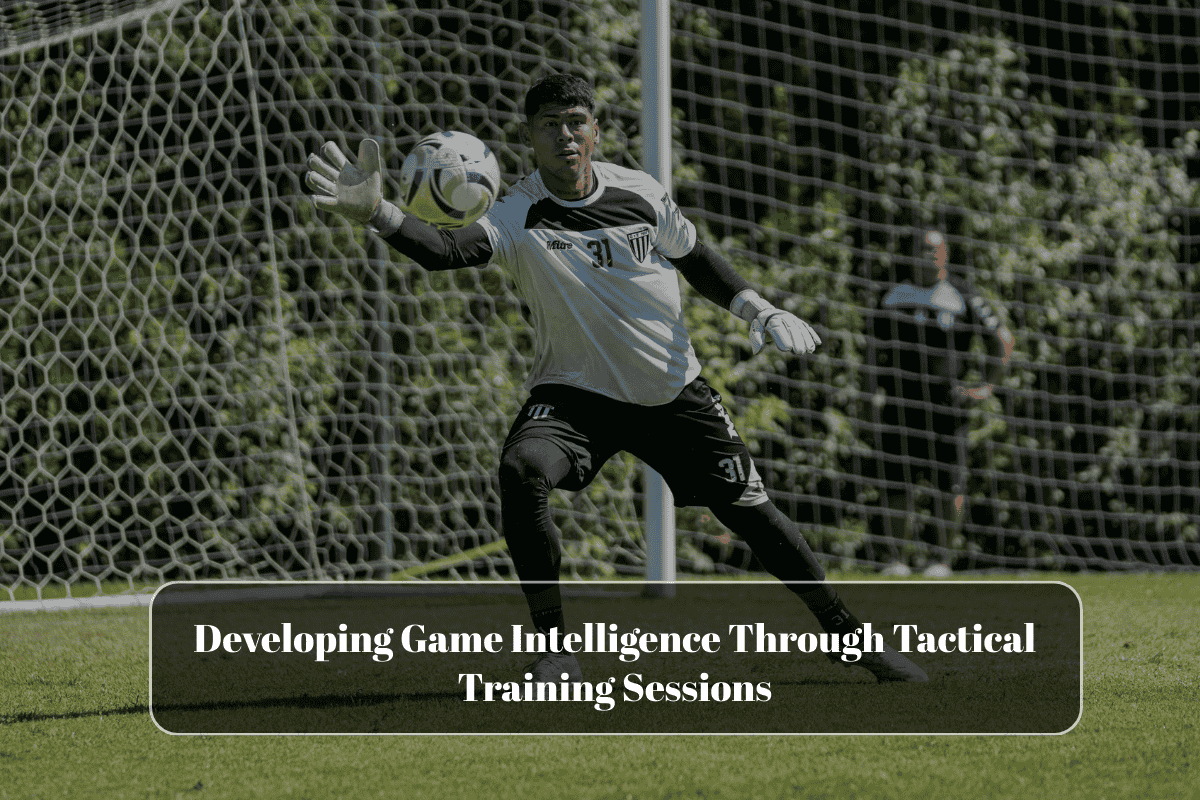
Developing game intelligence through tactical training sessions equips young footballers with the cognitive edge to read plays, anticipate moves, and make split-second decisions on the field.
In U.S. youth programs, where USA Football’s Development Model emphasizes age-appropriate progression, these sessions transform raw talent into smart, adaptable players ready for high school and beyond.
Core Elements of Game Intelligence
Game intelligence—or “football IQ”—encompasses scanning, positioning, decision-making, and adaptability, honed via deliberate practice rather than rote drills. Coaches use the OODA loop (Observe, Orient, Decide, Act) to structure sessions, mirroring real-game chaos.
For ages 6-9, focus on basic awareness through fun games; by 10-13, introduce patterns like overloads; teens tackle complex systems like pressing traps. Metrics track progress: Successful decisions per possession rise 30-50% with consistent tactical work.
Designing Age-Specific Sessions
- Foundation (6-9 Years): 70% small-sided games (3v3, 4v4) teach spacing without overwhelming rules—e.g., “Score by passing through gates” builds vision. Dynamic warm-ups (tag variants) prime scanning; debriefs ask “What did you see?” to verbalize reads. USA Football’s ADM limits contact, prioritizing ball mastery and joy, preventing early burnout.
- Development (10-13 Years): 50/50 drills-to-games ratio. Rondo possession (5v2) sharpens pressure handling; shadow play (no ball, positional movement) ingrains shapes. Add constraints: “Switch play in 10 seconds” forces scanning. Video clips of pros like De Bruyne dissect “why here?”—youth mirror in scrimmages.
- Advanced (14+ Years): Full 11v11 with tactical layers—zonal marking vs. man, counter setups. Opposition analysis via Hudl breakdowns informs sessions; live adjustments mid-scrimmage build adaptability. Cognitive overload: Call numbers/colors during drills to simulate noise.
Key Tactical Drills
- Scanning Circuits: Players dribble cones while coaches shout “Check shoulder!”—200 reps/session wire peripheral vision, cutting turnovers 25%.
- Positional Games: 6v6+keepers with zones teaches build-up play; rotate roles for empathy (forwards grasp holding lines).
- Decision Drills: 1v1+ trailers—attacker chooses pass/shot/dribble under time pressure, debriefing “What ifs.”
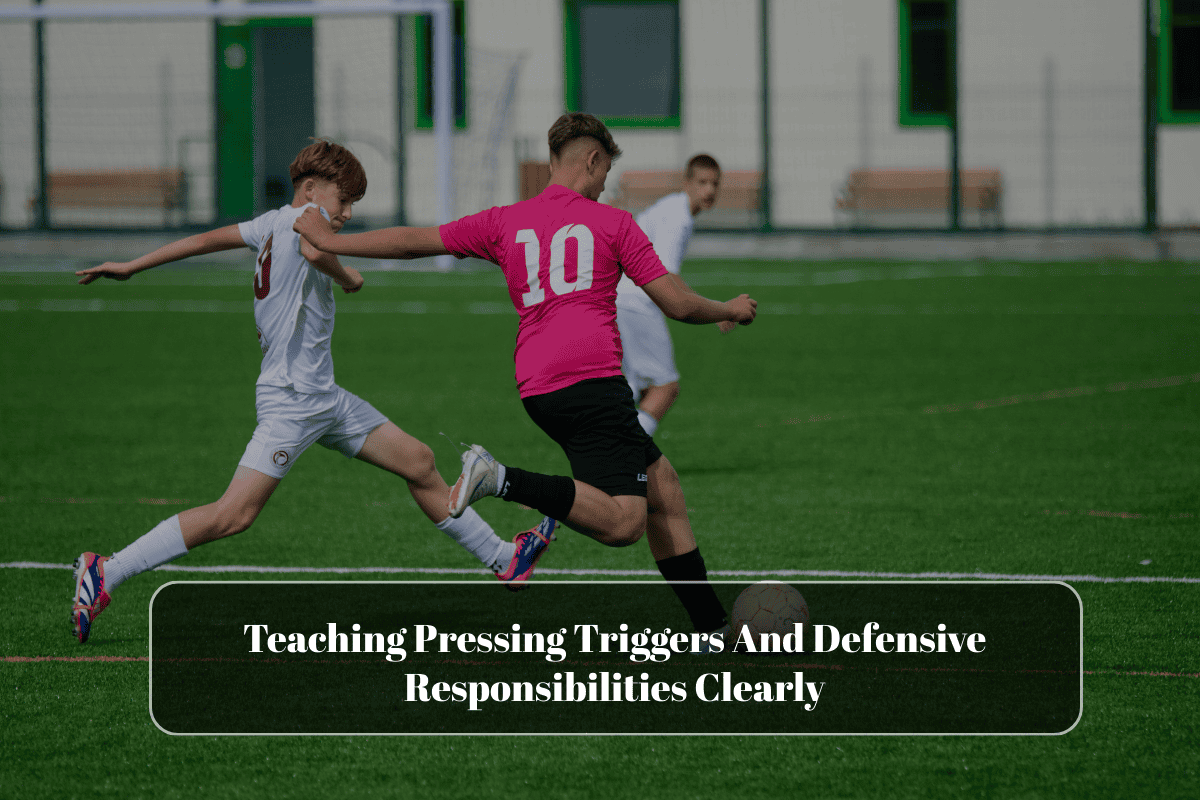
- Pressing Triggers: Back-four starts high press on cues like bad touches, training collective movement.
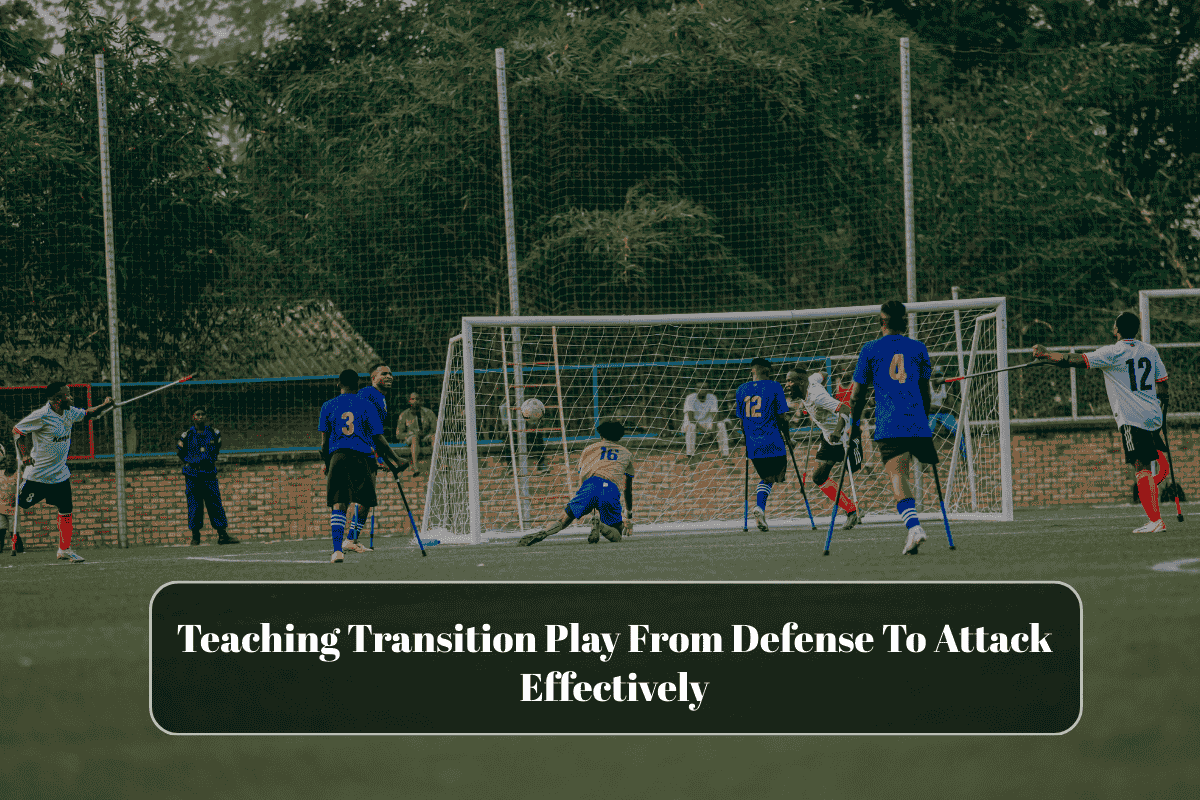
- Transition Boxes: Score instantly on turnovers, emphasizing speed and shape recovery.
Sessions flow: 10% activation, 40% isolated tactics, 40% opposed games, 10% reflection—total 60-90 minutes to match attention spans.
Coaching Tactical Awareness
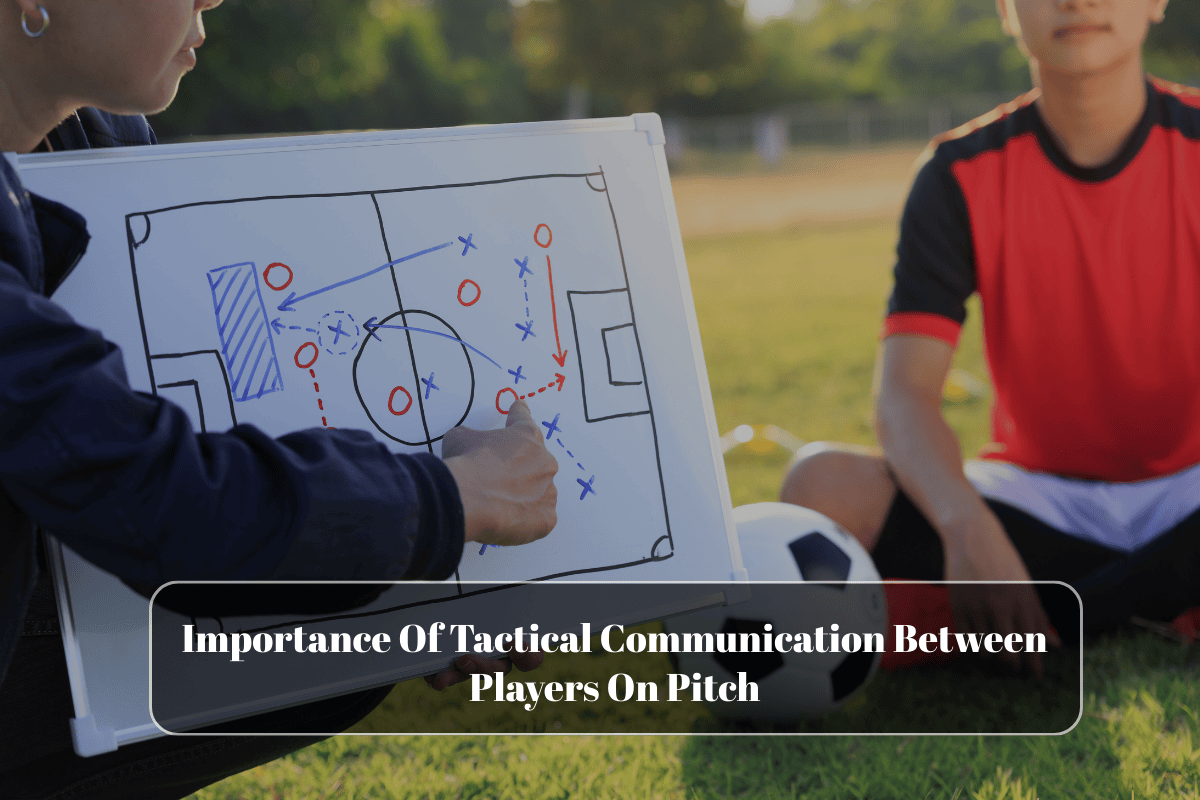
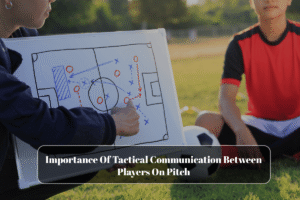
Cues over commands: “Body open!” not “Pass left.” Use Socratic questions post-play: “Where was space? Why delay?” Visual aids—magnet boards, iPads—accelerate learning. Certified coaches (NFHS/UEFA principles) model calm decision-making, fostering trust. Inclusivity: Adapt for girls’ programs or neurodiverse players with simplified progressions.
Integrating Physical and Mental Layers
Tactical work fatigues cognition—pair with HIIT for game-like stress. Mental training: Pre-visualize scenarios, breathing for composure. Track via journals: “Best read today?” Growth mindset reinforces: Effort > talent in IQ building.
Common Pitfalls and Fixes
Over-drilling kills creativity—”robot soccer”; balance with chaos games. Win-obsessed cultures ignore process; score via “smart plays” (e.g., 5 passes = point). Parental pressure? Pre-season clinics educate on long-term gains—tactically smart kids shine in tryouts.
Measuring Game Intelligence Gains
Apps like Veo analyze scans/possessions; coach rubrics rate positioning (1-5 scale). Benchmarks: U13s average 3+ decisions/minute; high schoolers anticipate 70% of plays. Outcomes: 40% higher assist rates, fewer errors.
Real-World Application
Youth academies like Red Bulls use these for pros—Pefok credits tactical reps. High school teams dominating state via “IQ offenses” prove transfer: Smart players win close games.
Scaling for Communities
Free USA Football resources democratize access; clubs partner schools for after-school sessions. Diverse talent pools benefit most—urban kids gain vision, rural build teamwork.
Future of Tactical Training
AI wearables track eye movements; VR sims rehearse rarities. Coaches evolve as facilitators, prioritizing thinkers over athletes.
FAQs
1. When to start tactical training?
Basic awareness ages 6-9 via games; structured 10+ with progressions.
2. How much game time per session?
40-50% opposed play to apply concepts under pressure.
3. Best drill for scanning?
Rondos and shoulder-check dribbling—200+ reps build instincts.
4. How to adapt for beginners?
Simplify rules, use colors/numbers; focus fun over perfection.
5. Does tactical focus reduce skills?
No—integrated sessions boost both; decisions enhance technique under fatigue.