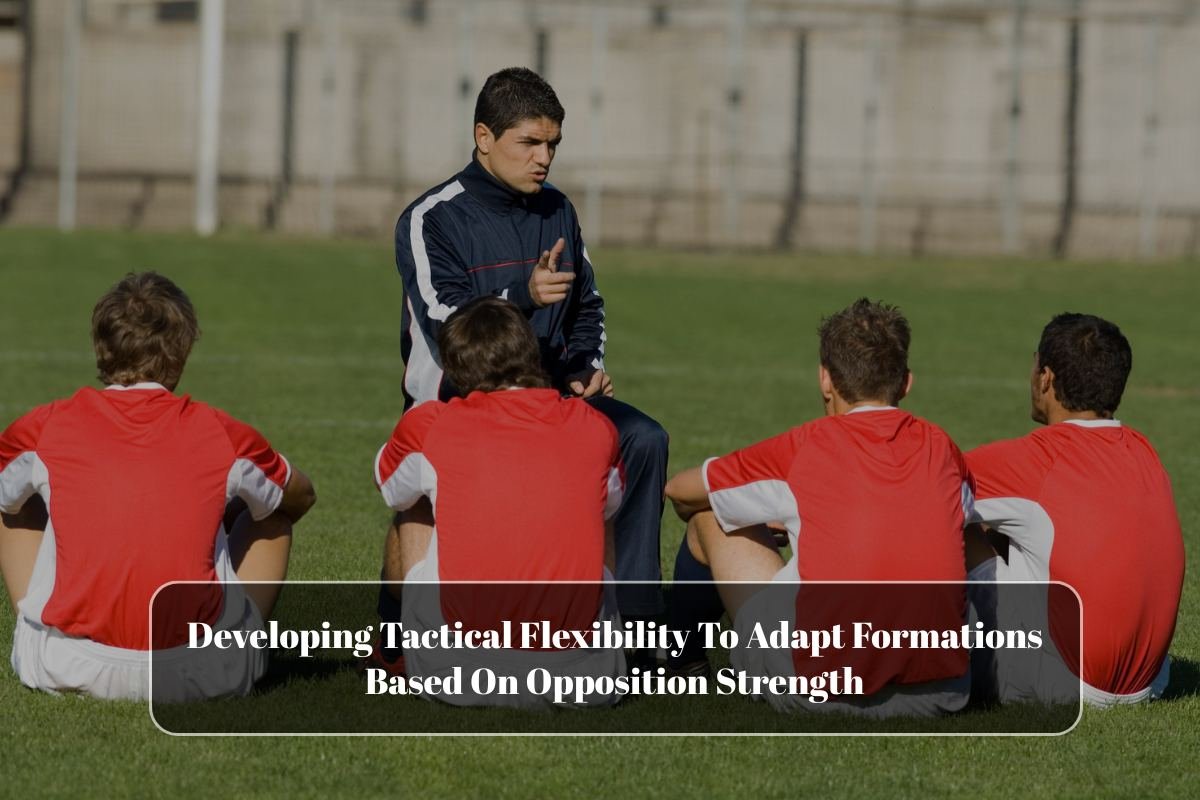
In U.S. soccer, tactical flexibility—switching formations mid-match based on opponent strengths—has become essential for MLS and USMNT success amid evolving tactics. Coaches like Mauricio Pochettino emphasize adaptive systems like 3-4-2-1 or 4-2-3-1, unlocking player freedom against varied foes. This approach counters specific threats while maximizing talent, as seen in USMNT’s newfound identity.
Understanding Opposition Analysis
Pre-match scouting identifies strengths: high press demands build-up stability (e.g., 4-3-3 with playmaking 6); aerial prowess calls for compact 4-4-2. Tools like Wyscout reveal patterns—mid-block exploits with 4-3-3 overloads, low blocks with 4-2-3-1 rotations. U.S. coaches assess transitions, where historical USMNT excelled, now blending with possession.
Flexible Base Formations

The 4-3-3 offers versatility: offensive for fluid attacks, defensive via 4-5-1 shifts, creating triangles for passing lanes. Against physical sides, compact to 4-4-2 minimizes central space; wing overloads stretch defenses. Pochettino’s USMNT toggles 3-4-2-1 for back freedom (Weah, Dest) and attacking license (Balogun, Pulisic).
In-Game Adaptation Strategies
Formation changes boost performance: studies show +0.88 ES in goals/chances post-switch when trailing. Vs. Japan, USMNT’s 3-4-2-1 countered press; Friday’s 4-2-1-3-2-5 exploited spaces. Subs alter roles—midfielder drops for back three; wingers track back defensively. Nancy’s Columbus uses 3-4-3 for rest defense and transitions.
Training for Fluidity
Drills simulate switches: small-sided games toggle 4-3-3 to 4-2-3-1, training role interchanges like Total Football. Position-specific: fullbacks advance in 3-at-back; midfield pivots shield vs. strong mids. Video analysis reinforces cues—when to drop, overload flanks. Youth USA focuses 7v7 to 11v11 progressions for opportunity creation.
Case Studies from MLS and USMNT
Pochettino’s USMNT embraces fluidity: players note “spontaneous” attacks fitting style, balancing aggression with nuance. MLS evolved from flat 4-4-2 to dynamic shapes; Nancy’s Crew wins via adaptable 3-4-3. 4-1-4-1 transitions quickly from defense, ideal vs. counters.
Challenges and Best Practices
Trade-offs: 3-back exposes transitions; requires versatile squad depth. Best practices: coach-season experience maximizes ES (0.88 vs. lower); time adaptations (10-min post-change peaks). Balance structure with license; monitor fatigue in subs.
Future in American Soccer
With 2026 World Cup looming, flexibility defines U.S. edge; Pochettino’s concepts resonate, fostering tactical IQ. MLS innovations propel national growth.
FAQs

1. What base formation offers most flexibility?
4-3-3: shifts to 4-5-1 defensively or 4-2-3-1 for stability, enabling overloads.
2. How do in-game changes impact performance?
Boost goals/chances (ES 0.88) when trailing; reduces opponent entries post-switch.
3. Why analyze opposition strengths?
To counter press (build-up shapes), aerials (compact), or blocks (rotations).
4. What USMNT examples exist?
Pochettino’s 3-4-2-1 vs. Japan unlocks backs; 4-2-1-3-2-5 exploits spaces.
5. How to train adaptations?
Small-sided toggles, role drills, video for cues; build versatile profiles.