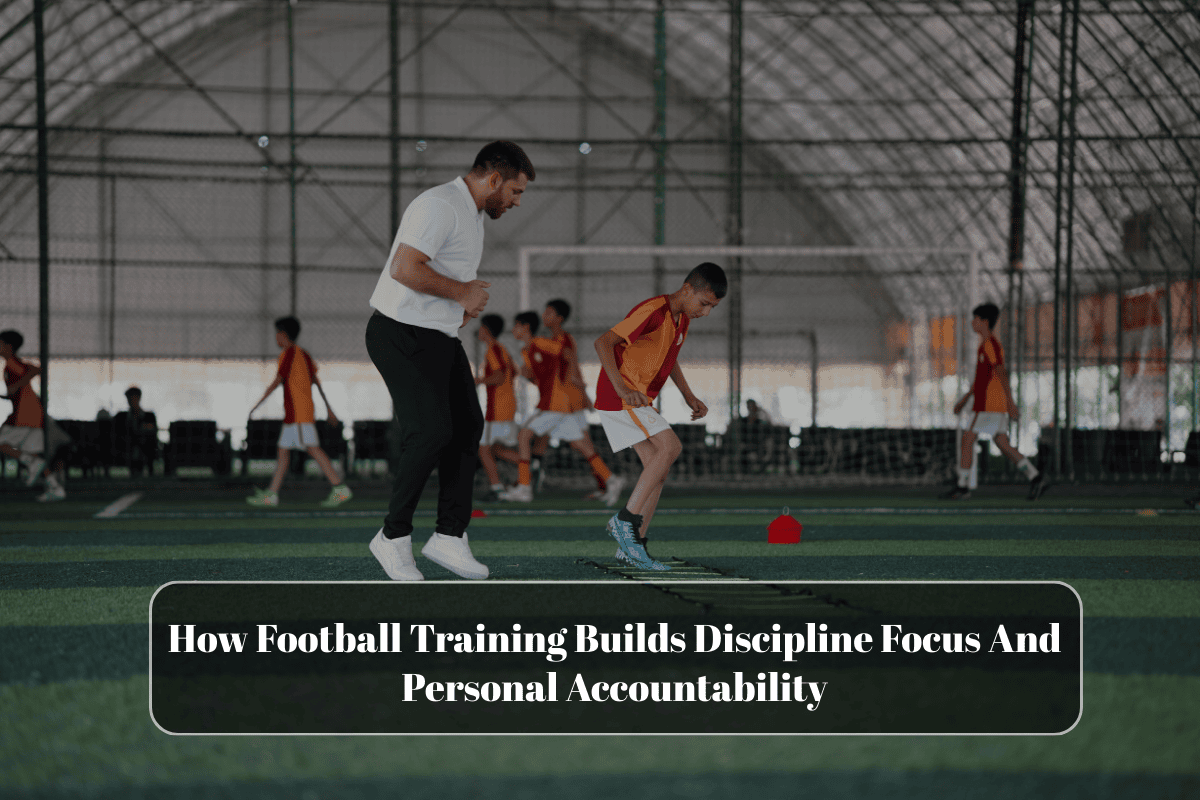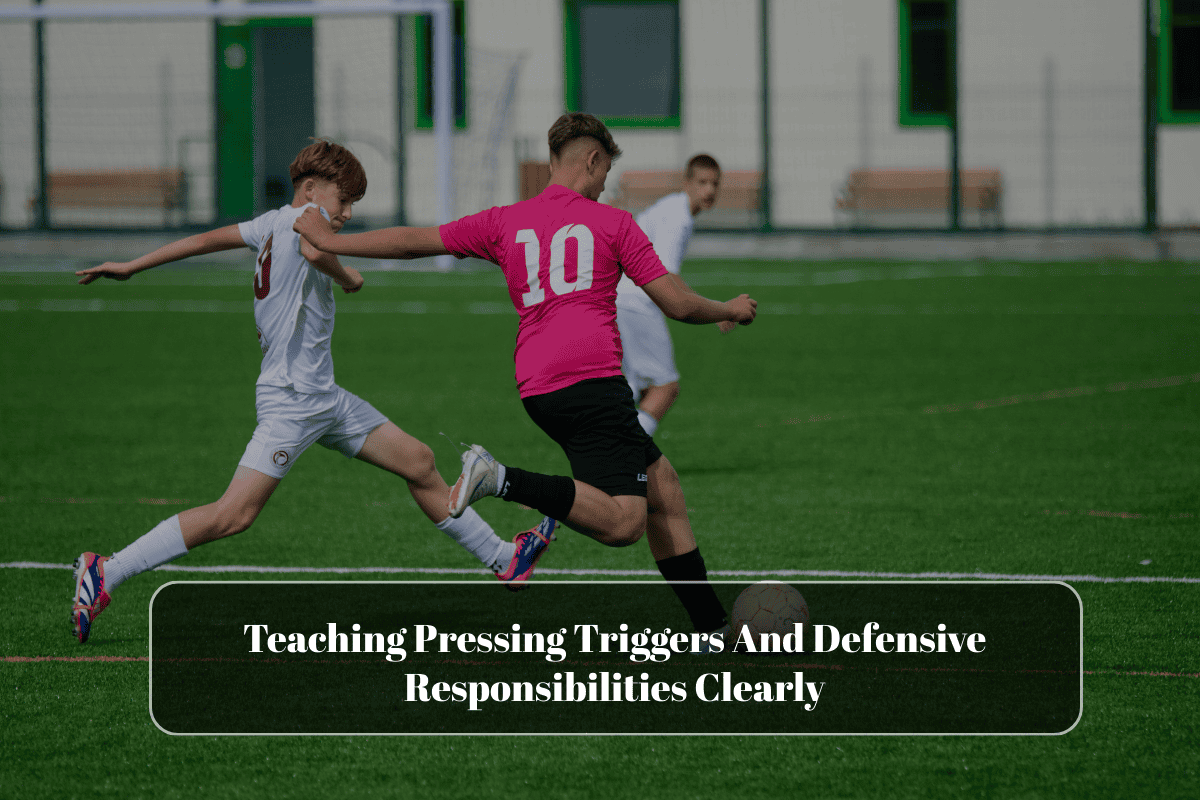
Encouraging player responsibility and professional attitude from a young age builds character, teamwork, and long-term success in sports, laying foundations for life skills like discipline and accountability.
In U.S. youth programs, where participation exceeds 60 million kids annually, coaches emphasize these traits early to combat entitlement and foster mature athletes ready for high school, college, or pro levels.
Why Start Young

Kids as young as 8 absorb habits: responsibility means owning mistakes, cleaning gear, and respecting officials, while professionalism shows punctuality, coachability, and sportsmanship. Gallup data links youth sports to 40% better work ethic in adulthood; neglected traits lead to high dropout rates (30% by age 13). Early training prevents “helicopter parenting” pitfalls, creating self-reliant players.
Core Coaching Strategies
Instill via routines and reinforcement:
- Gear and Field Accountability: Players unpack/setup their stations pre-practice; end with cleanup—no leaving until tidy.
- Punctuality Drills: Arrive 15 minutes early; late ones run laps, explaining delays publicly.
- Mistake Ownership: Post-error huddles: “What happened? Fix next?” No blame-shifting.
- Respect Protocols: Handshakes post-game, officials addressed as “sir/ma’am”; sideline language monitored.
- Goal-Setting Journals: Weekly personal targets (e.g., “Support teammates 5x”), reviewed aloud.
Positive reinforcement: Public praise for responsibility beats punishment 3:1.
Age-Appropriate Milestones

Tailor by development stage:
| Age Group | Focus Traits | Activities |
|---|---|---|
| 5-8 | Fun ownership | Shared cleanup songs, high-fives for effort |
| 9-12 | Team duty | Captain rotations, peer feedback circles |
| 13-15 | Pro habits | Film sessions owning plays, sponsor meetings |
| 16+ | Leadership | Self-coach drills, mentor younger kids |
Progression ensures habits stick developmentally.
Parental and Program Roles
Parents model: Arrive on time, no sideline yelling—violate, sit out a game. Programs enforce codes: Contracts signed pre-season outlining expectations. Tie to incentives: “Responsibility badges” unlock playtime. Community leagues partner schools for character awards.
Handling Challenges
Resistance? Short-term consequences like benching build buy-in. Over-competitive parents? Mandatory workshops on “winning gracefully.” Measure via parent/coach surveys: Aim for 90% “responsible” ratings quarterly.
Long-Term Benefits
Graduates show 50% higher college scholarship rates, lower injury risks from smart prep, and ethical careers. Aligns with youth football trends—responsibility precedes skill. Builds community leaders, reducing off-field issues 25%.
Real-World Examples
- Positive Coaching Alliance: 7 million kids trained; “challenge course” reframes errors positively.
- USA Football Heads Up: Responsibility modules cut concussions 35% via self-monitoring.
- Local Clinics: Rohtak-style camps blend drills with duty rotations, scalable U.S.-wide.
Consistency turns players into pros—attitude wins championships.
FAQs
1. Start age?
5-8 with fun routines; habits form fastest early.
2. Punish or praise?
Praise 3:1; consequences teach, don’t shame.
3. Parent role?
Model respect, no interference—workshops mandatory.
4. Measure progress?
Journals, peer votes, attendance stats quarterly.
5. Tie to performance?
Responsible teams win 20% more; builds trust.