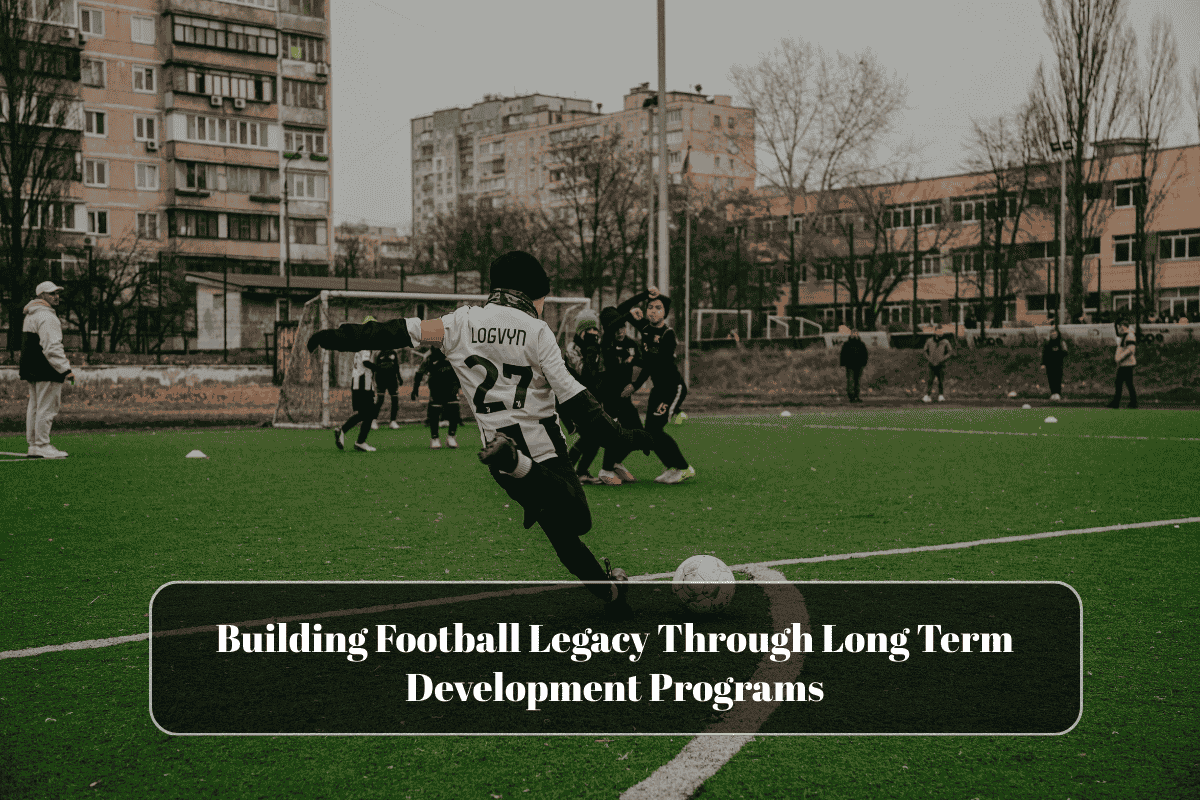
Football has undergone significant changes over the years, not only in terms of player skills, tactics, and technologies but also in the methods used by coaches to develop and manage teams. From the early days of football to the modern era, coaching methods have evolved dramatically, shaped by tactical advancements, scientific developments, and changing philosophies about player development. This article explores the evolution of football coaching methods across different decades, highlighting key transformations that have shaped the game.
1. Early Years of Football Coaching: The Beginnings (1900s – 1930s)
Football coaching, in its infancy, was more of an art than a science. In the early 20th century, football was largely played without much tactical guidance, with coaching often focused on motivating players and keeping their spirits high. In these early years, coaches were often former players with limited formal training in coaching or strategy. Their roles were more about organizing and managing the team, with limited tactical planning beyond basic formations.
Key Characteristics:
- Simple Tactics: Teams typically played in a 2-3-5 or 3-2-5 formation, with less emphasis on specific roles for individual players.
- Coaches as Leaders: Coaches were often authoritarian figures whose primary responsibility was to motivate and manage the team.
- Physicality Over Tactics: The focus was on player strength, stamina, and individual skill rather than intricate team play.
2. Tactical Foundations and Systematic Play (1930s – 1960s)

By the 1930s and 1940s, football coaching began to incorporate more tactical awareness. The rise of teams like Hungary’s “Magical Magyars” in the 1950s marked a pivotal moment in football’s tactical evolution. Coaches started to realize the importance of organized formations and structured play, as opposed to the chaotic, individualistic style that dominated earlier eras.
The tactical development in this period also saw the introduction of the first real systems of play. Coaches began focusing more on specific roles for players within these systems, and the concept of team shape became much more important.
Key Characteristics:
- Introduction of Formations: The 2-3-5 formation evolved into the 4-4-2, 4-3-3, and more complex formations, bringing structure to team play.
- Tactical Awareness: Coaches started to emphasize passing, positioning, and understanding of the game, moving away from sheer physicality.
- Influence of Successful Coaches: Coaches like Herbert Chapman and Rinus Michels (who would later develop “Total Football”) began to popularize tactical football that focused on ball movement, spacing, and coordination.
3. The Rise of Professionalism and Scientific Coaching (1970s – 1990s)
The 1970s and 1980s marked a golden era for tactical innovation and the professionalization of coaching. The game began to embrace more scientific and psychological approaches to training, with a stronger emphasis on fitness, nutrition, and mental conditioning. Coaching also became more formalized, with many coaches obtaining specialized education and certifications in sports science.

This period saw the rise of “Total Football,” introduced by the Dutch national team under coach Rinus Michels. The system focused on positional flexibility and fluid attacking play, with all players involved in both offense and defense. The influence of successful tactical minds like Johan Cruyff, who brought Total Football to Barcelona, showed how tactical innovation could lead to long-term success.
Key Characteristics:
- Scientific Training: Emphasis on fitness, nutrition, and rest began to reshape the way players trained. Coaches started working with specialized fitness trainers, physiotherapists, and psychologists.
- Tactical Evolution: The 4-4-2 formation became dominant, while the introduction of zonal marking, high pressing, and counter-attacking football started to become more popular.
- Globalization and Professionalism: As football became more commercialized, the role of coaches grew, and international football became a laboratory for experimentation with new tactics and coaching styles.
4. The Age of Video Analysis and Detailed Analytics (2000s – 2010s)
The 21st century brought about the integration of technology into coaching, marking one of the most significant transformations in football’s tactical development. Video analysis, performance data, and statistical tools revolutionized how coaches prepared their teams, making coaching more data-driven and precise than ever before.
This period saw the rise of sophisticated tactical systems, such as the tiki-taka style of play, popularized by Pep Guardiola’s Barcelona. The use of detailed video analysis allowed coaches to break down every aspect of team performance, from individual player movement to team-wide strategies. The ability to evaluate match footage and analyze performance data changed the way coaches and players prepared for games.
Key Characteristics:
- Video Analysis and Tactical Review: Coaches began using software to analyze team performance, breaking down movements, passing patterns, and defensive schemes.
- Statistical Performance Metrics: The use of data to track player statistics such as passing accuracy, distance covered, and possession percentages became standard.
- Tactical Sophistication: Tactics like possession-based football, counter-pressing, and high defensive lines became increasingly common. Teams began to prioritize adaptability and versatility.
5. The Modern Era: Data-Driven and Psychological Coaching (2020s and Beyond)

As we move into the 2020s, football coaching has become increasingly reliant on cutting-edge technology, data analytics, and psychological support. Coaches now have access to more data than ever before, with player tracking systems, GPS technology, and even wearable devices providing real-time insights into player performance. This era is characterized by a strong integration of data science, psychology, and traditional coaching methods.
Coaches like Jürgen Klopp, who emphasizes high-intensity pressing and tactical flexibility, and Thomas Tuchel, known for his complex tactical formations, are examples of how modern coaching blends traditional football knowledge with modern technological insights. In addition, sports psychologists have become key members of coaching staffs, focusing on players’ mental health, focus, and resilience.
Key Characteristics:
- Real-Time Data and Wearables: Technologies like GPS trackers and heart rate monitors help coaches monitor player health, fitness levels, and performance during matches and training.
- Mental Health and Psychological Support: Coaches now recognize the importance of mental resilience, stress management, and focus in player development, integrating psychological training into regular practice sessions.
- Advanced Tactical Evolution: Modern coaching focuses on ultra-detailed tactical systems, such as gegenpressing, false nines, and flexible formations that adapt mid-match. The understanding of in-game intelligence and situational awareness has never been more advanced.
6. The Future of Football Coaching: Artificial Intelligence and Virtual Reality
Looking to the future, football coaching methods will likely continue to evolve with the incorporation of artificial intelligence (AI) and virtual reality (VR). AI can assist in analyzing opponent strategies, providing coaches with detailed insights into weaknesses and strengths. Virtual reality, on the other hand, could allow players to immerse themselves in simulated game environments to practice decision-making and hone their skills in a controlled setting.
As AI and VR become more integrated into football coaching, the potential for hyper-personalized training programs and real-time tactical adjustments will significantly enhance the way teams are managed.
FAQs
How has technology changed football coaching?
Technology has transformed coaching with the introduction of video analysis, GPS tracking, data analytics, and performance monitoring tools, allowing coaches to gain a deeper understanding of team dynamics and individual player performance.
What role does psychology play in modern coaching?
Psychology is crucial in modern football coaching, as it helps players manage stress, build resilience, and maintain mental focus. Coaches now work closely with sports psychologists to enhance the mental and emotional well-being of players.
What is the influence of data analytics in coaching today?
Data analytics allows coaches to assess player performance, track physical stats, analyze team strategies, and make data-driven decisions. This helps in optimizing training, improving player health, and adapting tactics.
What is the role of artificial intelligence in future football coaching?
AI will likely play a major role in providing real-time tactical insights, analyzing opponent strategies, and offering personalized player feedback. It will further enhance the ability of coaches to make informed decisions during matches and training.