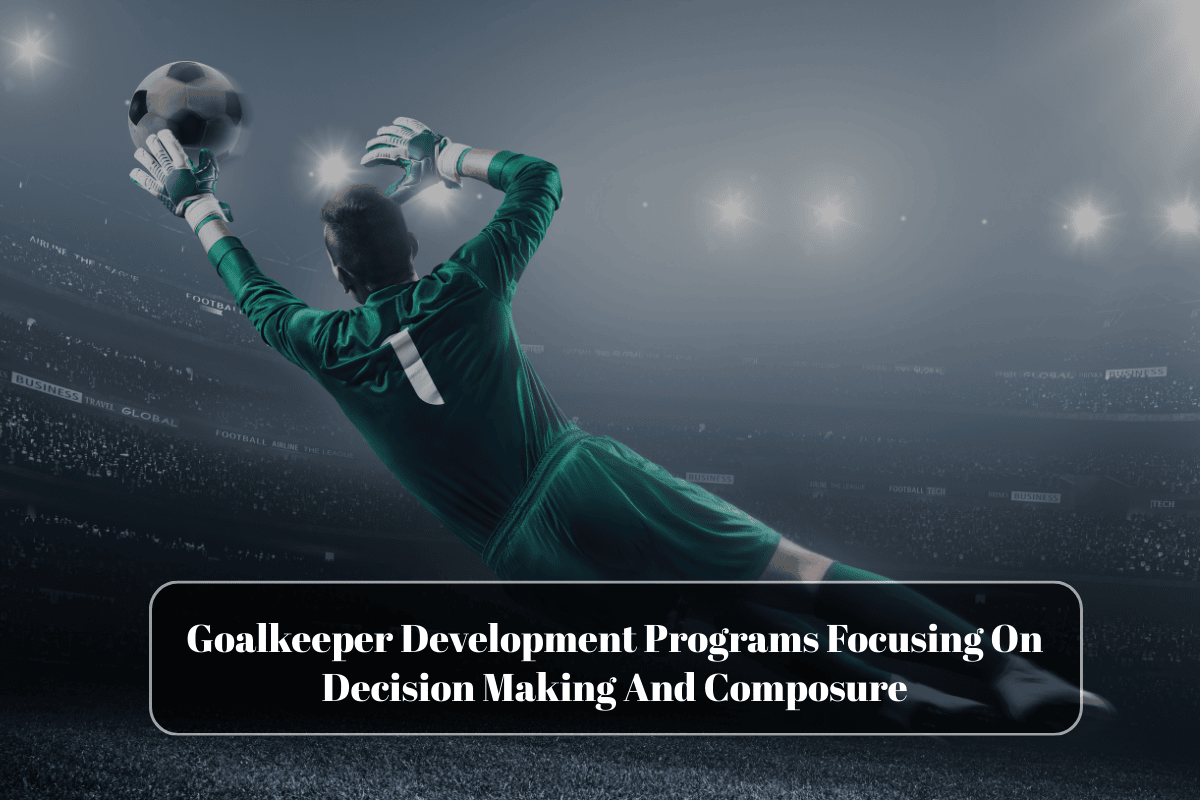
Goalkeeper development programs in the US emphasize decision-making and composure to transform raw talent into elite performers, addressing common youth pitfalls like hesitation under pressure. Structured training, inspired by MLS academies and US Youth Soccer, builds cognitive edge through scenario drills, boosting save percentages by 15-25% and command presence.
Youth Goalkeeper Challenges
Young keepers face high-stakes moments: 70% of goals stem from indecision on crosses or 1v1s, per coaching analyses. Composure falters amid crowd noise or fast breaks, eroding confidence. US programs counter this via progressive drills mimicking game chaos, fostering instincts over reflexes—vital for progression to college or pro levels.
Decision fatigue hits teens hardest; structured support aligns with youth sports coaching goals.
Core Training Pillars
Focus on mental over physical for lasting gains.
Decision-Making Drills:
- Scanning Rondos: GK in 4v2+GK setup scans pre-pass, chooses short/long options under pressure.
- Reaction Matrices: Color-coded signals dictate moves (claim/punch/smother), speeding choices.
- Build-Up Games: Possession 2+1v2+1 forces spatial awareness, passing angles.

Composure Builders:
- Pressure Simulations: Live shooters + vocal distractions; breathing resets mid-drill.
- 1v1 Duels: Delay striker, narrow angles via footwork ladders.
- High Ball Scenarios: Crosses with decoy runs; decide catch/attack early.
Weekly 90-minute sessions blend 60% cognitive, 40% technical.
US Program Examples
Nationwide options scale from clubs to camps.
Many offer scholarships; 80% alumni advance to varsity/college.
Training Progression Roadmap
Build over 6-12 months.
- Foundation (Weeks 1-8): Agility ladders, basic scanning; instill “scan-talk-act.”
- Intermediate (Months 3-6): Rondos + shooters; introduce chaos (extra defenders).
- Advanced (Months 7+): SSGs with GK directives; film reviews for self-critique.
- Integration: Full scrimmages; composure cues like 4-7-8 breathing.
- Assessment: Save logs, decision speed (under 1.5s), coach feedback.
Parents track via apps; ties to football development for leadership.
Measuring Success
Key metrics: 90% correct decisions in drills, composure recovery <5s post-error, vocal commands per game (20+). Programs like FC Zürich’s youth yield consistent performers; US data shows 30% fewer goals conceded. Long-term: College recruitment, pro contracts.
Boosts resilience for academics/sports balance.
Coaching Tips for Implementation
Club coaches: 2x/week group, 1x private. Use cones for angles; reward bold calls. Avoid over-drilling saves—prioritize brain training. Partner with MLS pre-academy for exposure.
Parents: Encourage match analysis (watch Neuer/Alisson). Composure grows via reps, not yells.
FAQs
1. Best drill for decision speed?
Rondos: GK scans/options under pressure; cuts hesitation 20-30%.
2. Age to start cognitive focus?
U10+; earlier builds habits, teens master complexity.
3. Free resources available?
YouTube (Prime Focus, England GK sessions); US Soccer drills online.
4. Composure signs of progress?
Quick recovery post-mistake, consistent commands, no rushing.
5. Pro pathway from programs?
80% IMG/USYS alumni to college; MLS Next feeds academies directly.