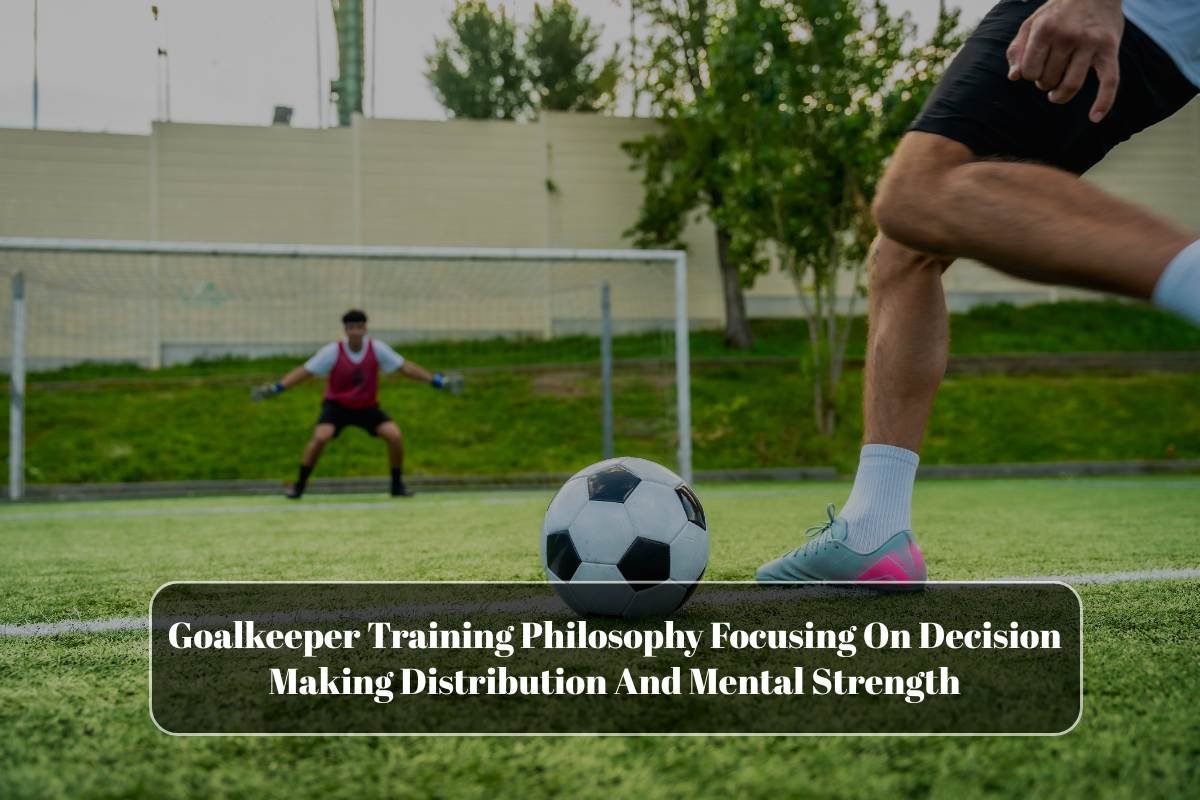
In U.S. soccer, modern goalkeeper training emphasizes decision making, precise distribution, and mental resilience, transforming keepers from reactive shot-stoppers into proactive playmakers integral to possession-based systems.
Coaches like USWNT’s Paul Rogers prioritize footwork, handling, and tactical awareness to meet MLS and national team demands. This philosophy aligns with evolving game styles, where keepers initiate attacks and command defenses under pressure.
Building Decision-Making Skills
Decision making hinges on rapid assessment—assessing threats, positioning, and actions like claiming crosses or staying put. Sessions start with analytical drills: ready position (weight forward, eyes up), progressing to crossing scenarios where keepers decide to intercept or protect angles. U.S. youth drills incorporate whistle cues for footwork, building quick reactions; advanced simulations use wide balls to hone split-pass prevention and desire to regain possession.
Mastering Distribution Techniques
Distribution defines modern keepers as “first build-up players,” requiring short passes, throws, and kicks under pressure. Training progresses from mechanical precision (W-hand catches, accurate punts) to applied scenarios mimicking build-up play.
Drills emphasize footwork for angled passes, medium-range to wingers, and goal kicks exploiting gaps; repetition fosters confidence for quick releases bypassing presses. USWNT sessions focus on handling-to-distribution transitions.
Developing Mental Strength
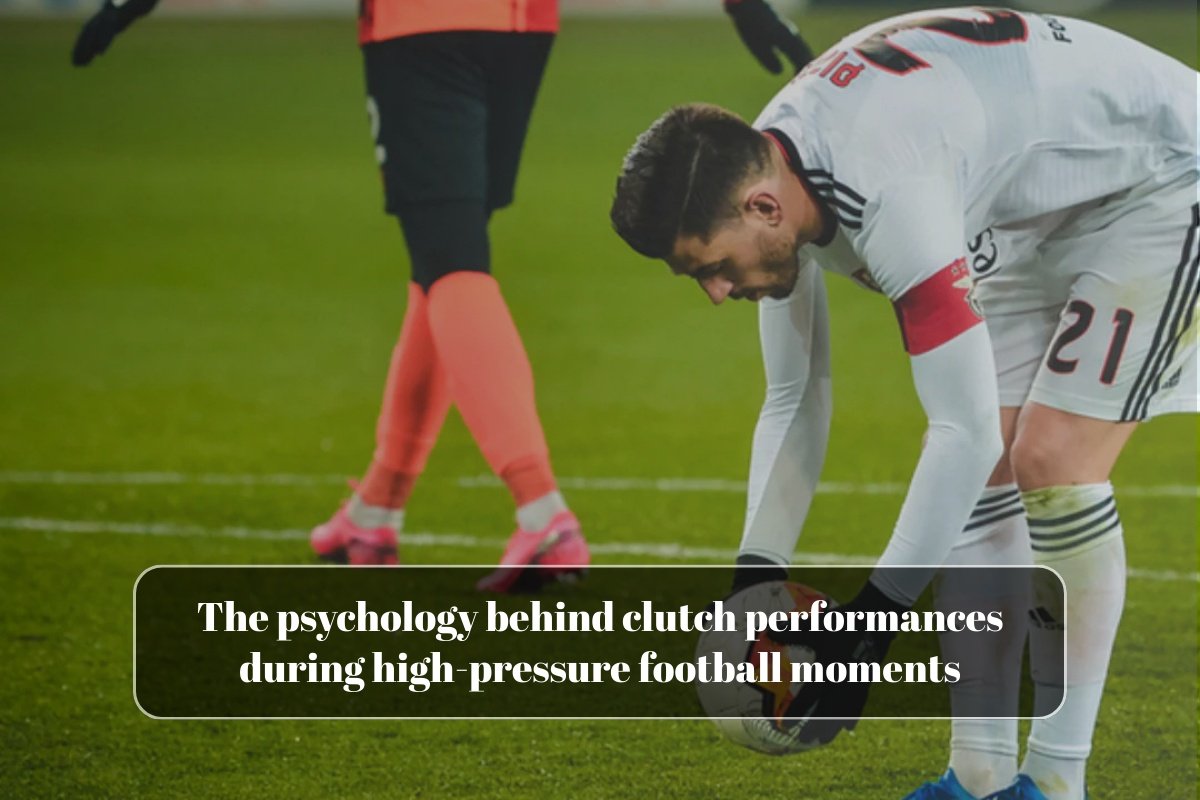
Mental training builds unshakeable confidence via positive self-talk (“I’m prepared”), visualization of saves/crosses, and pre-game routines blending breathing and affirmations. Reset rituals post-errors—deep breaths, neutral mindset—maintain focus; constant defender communication sustains engagement. Psychological drills simulate pressure, with 85% of keepers reporting gear boosts; routines counter loneliness of the position.
Integrated Training Sessions
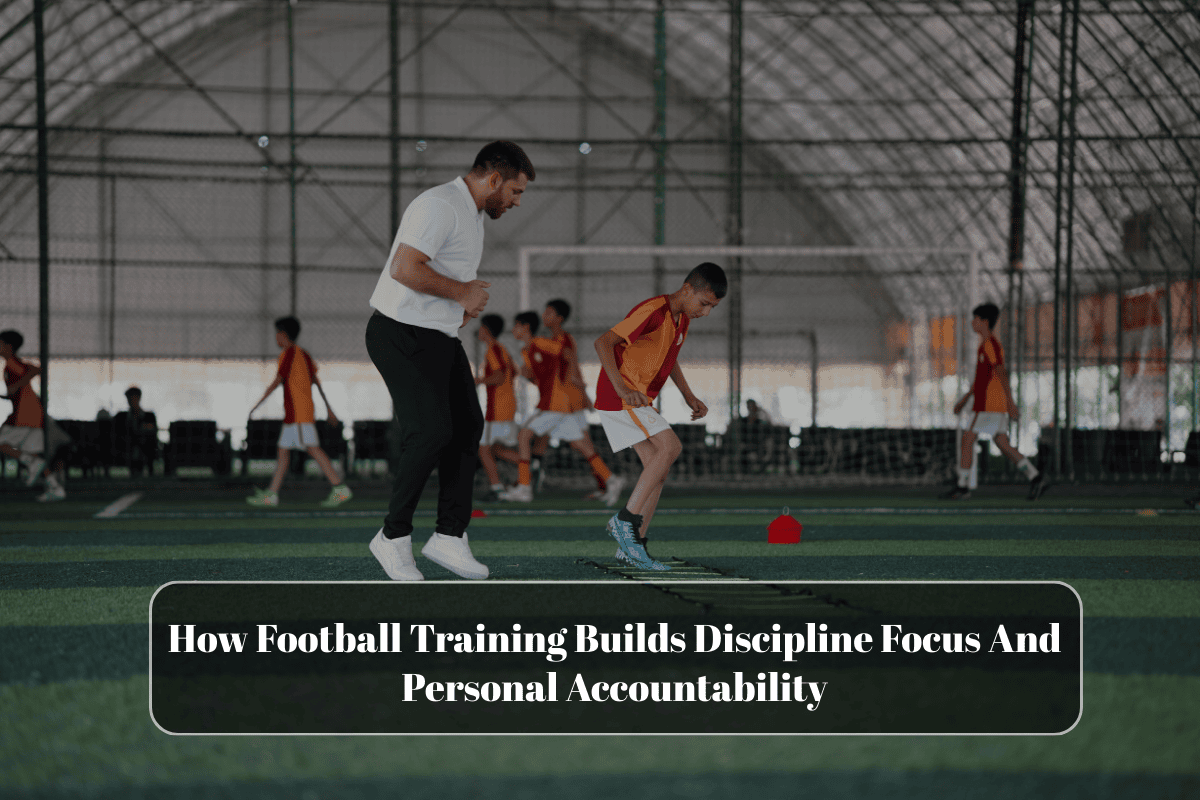
Effective sessions phase from individual (analytical: footwork, catches) to team (situational: scrimmages with communication). Example: Ready drills (15-60s bursts) lead to ball claims (“Keeper!”), then crossing decisions; distribution adds targets for accuracy under fatigue. Small-sided games embed decisions, with video feedback refining tactics. US Soccer stresses volunteer selection and rotations for youth.
Philosophy in U.S. Context
U.S. philosophy mirrors elite models: FIFA experts advocate versatile distribution; USWNT early arrivals enable extra work. MLS demands tactical knowledge for fast decisions; coaches like Jens Abrams tailor to speed and automation. Progression ensures transfer to matches, prioritizing team integration over isolation.
Measuring Progress and Long-Term Development
Track via save rates, distribution accuracy (90%+ targets), and mental metrics like error recovery time. Frameworks reduce ambiguity, fostering consistency; long-term, keepers like Ederson inspire U.S. talents. Holistic growth—technical, tactical, psychological—yields elite performers.
FAQs
1. What drills build decision making?
Crossing scenarios and ready-position footwork with cues, progressing to wide-ball intercepts.
2. How to train distribution?
Short/medium passes, throws under pressure; focus footwork, accuracy via repetition and targets.
3. What mental techniques enhance strength?
Positive self-talk, visualization, breathing resets, and pre-game routines for confidence.
4. Why integrate with team training?
Scrimmages embed communication and real decisions, improving overall play.
5. How do U.S. programs apply this?
USWNT/USMNT emphasize early sessions, tactical awareness for possession styles.