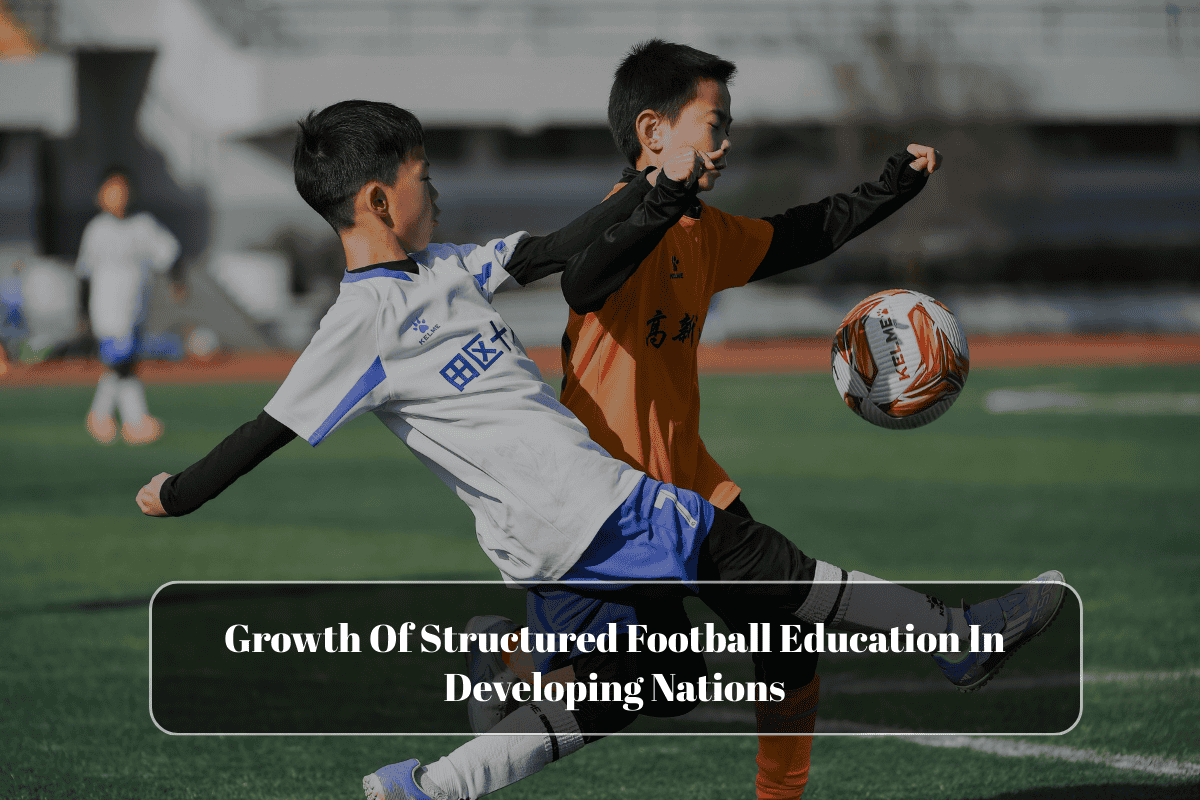
Structured football education is surging in developing nations, transforming grassroots talent development into professional pathways while delivering social benefits like education and health.
Initiatives like FASI in Mozambique exemplify this growth, blending FIFA-backed curricula with local infrastructure to nurture stars and uplift communities, with academies expanding 20-30% yearly across Africa, Asia, and Latin America.
Drivers of Growth
- FIFA and Partner Investments. FIFA Forward funds ($1.5B 2023-2026) build pitches, train coaches; 80+ nations now have Grassroots modules. Right to Dream’s Ghana model exports to Egypt, Zambia—alumni like Mohammed Kudus shine in Europe.
- Social Enterprises. FASI’s Mozambique academies serve 3,000+ kids aged 11-18, providing meals (87% sole hot meal), English classes, employability skills. 90% win rate showcases technical gains; Hudl partnership adds video analysis.
- School Partnerships. Kenya’s FKF strategic plan leverages 112% primary enrollment for weekly organized play, training local coaches via federations and developed nations. Dutch-inspired systems adapt affordably.
- NGO and Corporate Backing. IFRC’s YABC+F4D trains 264 youth per country in resilience via football; British Council Premier Skills equips educators.
Key Program Features
- Holistic Development. Technical (ball mastery, tactics) + life skills (leadership, nutrition). FASI’s pillars—talent, health, education—break cycles; girls’ secondary enrollment lags 11%, targeted heavily.
- Infrastructure Innovation. Makeshift fields evolve to Hudl-equipped hubs; GSBS/FASI model scales via impact investing.
- Talent Pathways. Scouting feeds Europe clubs; Right to Dream’s 100% pro placement inspires replication.
Regional Spotlights
| Region | Initiative | Impact |
|---|---|---|
| Africa | FASI Mozambique, Right to Dream Ghana | 3K kids fed/educated; pros exported |
| Asia | India AI Impact Summit academies | Social empowerment via sport |
| Latin America | Street soccer NGOs | Violence prevention, inclusion |
Challenges and Momentum
Funding gaps? Philanthropy bridges; infrastructure? Community builds. 2026 World Cup legacy accelerates, with Football School market to $4.88B by 2035.
Ties to your Haryana work: Structured play mirrors youth football for holistic growth.
Future Trajectory
Hybrid curricula (classroom + pitch) scale; AI scouting democratizes talent ID. Structured education yields sustainable pros and empowered citizens.
FAQs

1. FIFA role?
Funds, curricula—Grassroots in 80+ nations.
2. Social vs. talent focus?
Both—FASI 90% wins + life transformation.
3. Girls included?
Priority; closes enrollment gaps.
4. Scalability?
Schools leverage existing facilities.
5. Pro pipeline?
Yes—Right to Dream 100%; FASI scouting Europe.