Fullbacks have evolved into pivotal architects of build-up play in modern soccer, particularly in MLS and U.S. academies adopting European tactics, where they provide width, midfield overloads, and progression under pressure.
Inverted fullbacks like those in Pep Guardiola’s systems—now seen in LAFC and Inter Miami—receive 14.2 passes per 30 minutes in possession, creating central superiority and exploiting half-spaces for 25% more progressive actions. This shift from traditional wing support to dynamic positioning enhances possession dominance amid high-pressing eras.
Traditional vs. Modern Fullback Roles
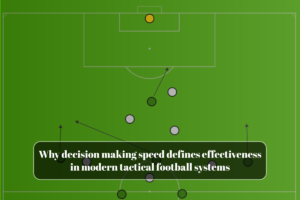
Classically, fullbacks like MLS legends stayed wide for crosses, overlapping wingers as in Real Salt Lake’s diamond setups. Contemporary systems demand versatility: deep fullbacks stretch presses, offering safe outlets (e.g., Kyle Walker at Man City), while inverted ones tuck centrally for numerical edges. U.S. coaches in MLS Next emphasize this hybrid, training youth on rotations where fullbacks become false 8s.
Inverted roles disrupt blocks, drawing markers to free wingers in 1v1s.
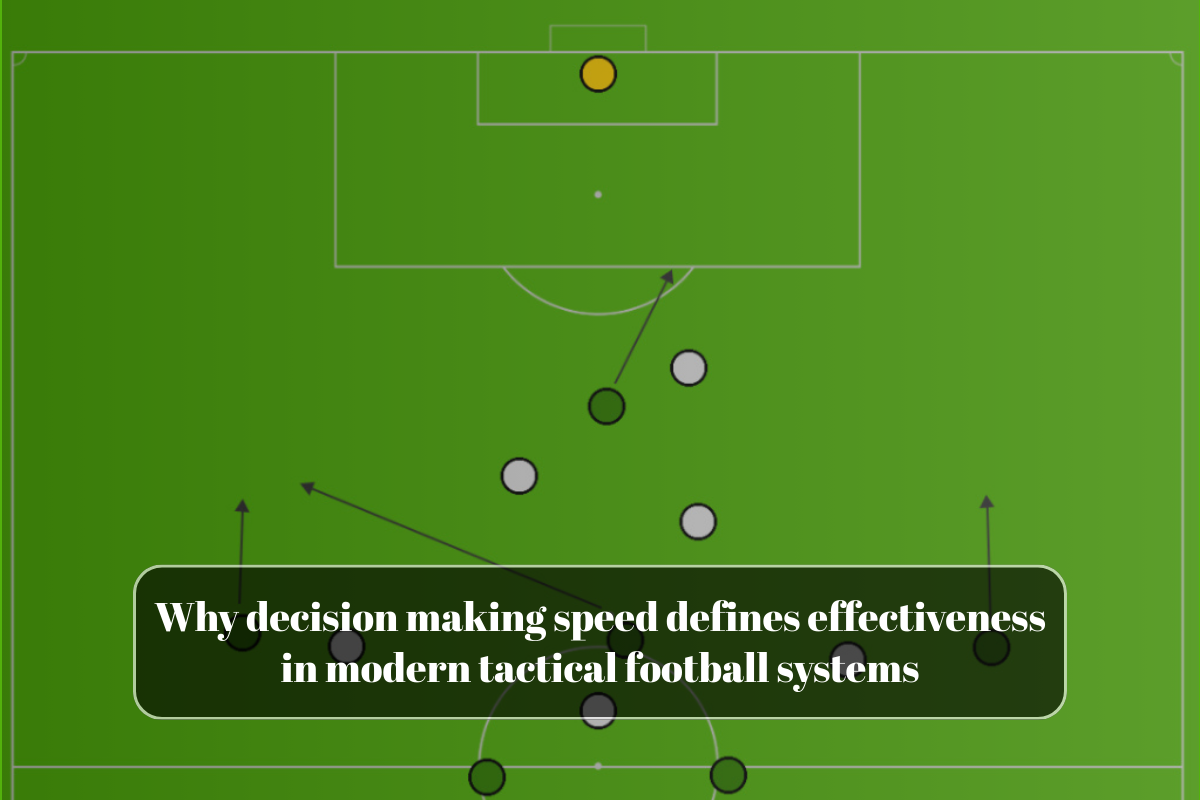
Inverted Fullbacks and Midfield Overloads
Inverted fullbacks—pioneered by Guardiola with Lahm/Zinchenko—position inside, yielding 4v3 midfield advantages and cleaner progression angles. At Club World Cup 2025, they spent more time in possession, distributing to wingers 20% more than traditional setups. MLS examples: Minnesota United’s fullbacks invert for box midfielders, accelerating attacks via third-man combinations.
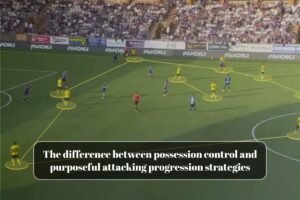
This creates overloads without sacrificing rest defense.
Deep Fullbacks Against High Presses
Deep fullbacks counter high lines by receiving wide under less pressure, provoking wingers to jump early and open inside lanes. Against 4-1-4-1 presses, they bait steps from midfielders, enabling switches or diagonals. U.S. adaptations in USSF curricula use this for possession retention, with fullbacks body-open to back-foot for verticality.
Post-switch, narrow wingers pin, forcing exploitable gaps.
Overlapping and Underlapping Dynamics

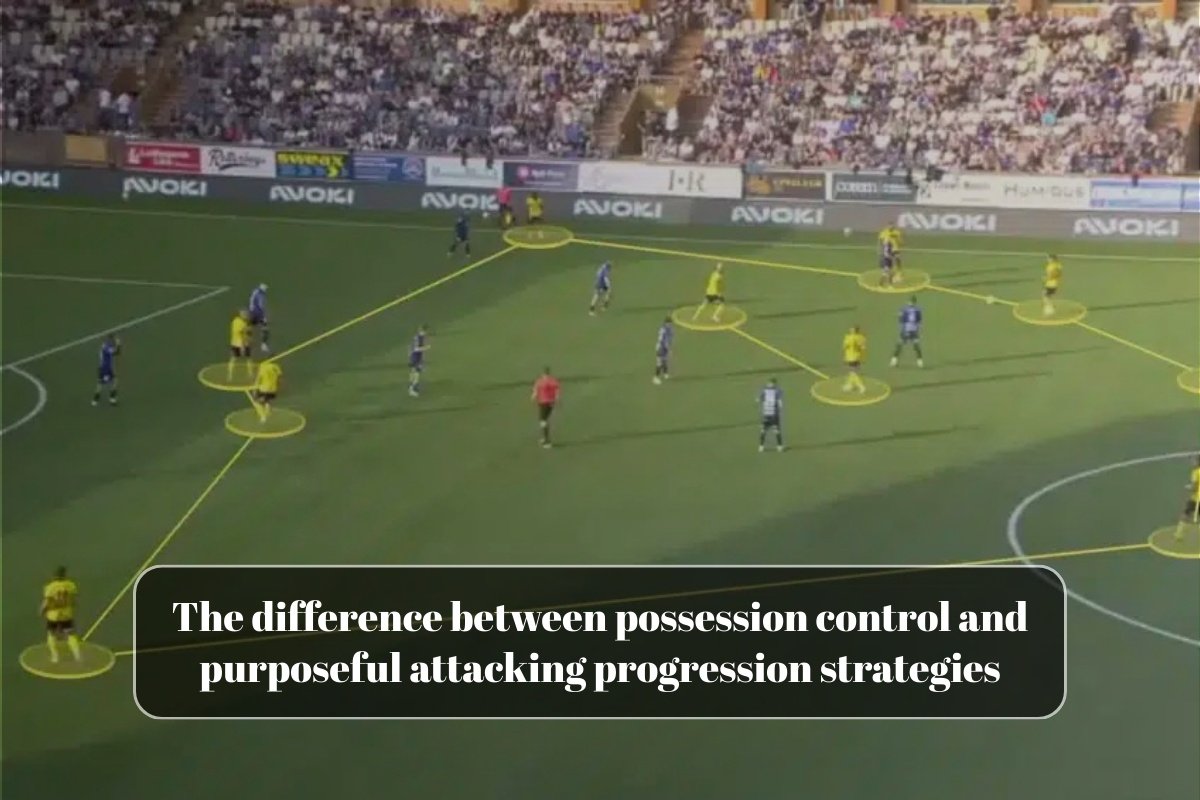
Overlapping fullbacks (e.g., Trent Alexander-Arnold) stretch defenses, underlapping for cutbacks when blocked. In build-up, they support wingers via rotations—central mids drop deep, fullbacks advance—forming triangles. MLS teams like Dallas FC relentlessly overlap, with holding mids covering for sustained pressure.
This adds unpredictability, accelerating transitions.
Tactical Training for U.S. Contexts
MLS academies drill positional rotations: 4 steps to mastery include deep receiving, inversions, overload exploits, and switches. Barça Residency USA emphasizes small-sided games for decision-making under pressure, mirroring elite demands.
Analytics track receptions, progressive passes for refinement.
MLS and U.S. Soccer Adaptations
U.S. fullbacks like those in LA Galaxy blend athleticism with tactical nous, influencing possession via hybrid roles. MLS Next’s TAKA analytics measure off-ball actions, prioritizing build-up contributions over goals.
FAQs
Q. How do inverted fullbacks create midfield superiority?
Tuck centrally for 4v3 edges, receiving 14.2 passes/30 min; frees wingers 1v1, progresses via half-spaces per Club World Cup data.
Q. Why use deep fullbacks against high presses?
Stretch lines wide, bait jumps opening inside lanes; body-open receiving enables switches/diagonals vs. 4-1-4-1 structures.
Q. What distinguishes overlapping from underlapping fullbacks?
Overlap stretches for crosses (Alexander-Arnold); underlap cuts inside when blocked, forming triangles with rotations.
Q. How do MLS teams adapt these roles?
Minnesota inverts for box mids; Dallas overlaps relentlessly with deep holding cover, per tactical analyses.
Q. What drills train fullbacks for build-up influence?
Rotations (mid drops, FB advances), small-sided overloads, switches; MLS Next uses TAKA for off-ball refinement.