Youth football development was once dominated by elite academies, expensive training programs, and centralized institutions that often excluded talented players from underserved communities. Over the past few decades, grassroots football movements have dramatically reshaped this landscape. Community-led initiatives, local clubs, volunteer coaches, and accessible programs have transformed how young players are discovered, developed, and supported across the world.
These movements have not only expanded access to the sport but have also redefined what effective youth development looks like. This article explores how grassroots football has influenced youth systems globally and why its impact continues to grow.
Expanding Access Beyond Elite Systems

Traditional youth development systems often favored families with financial resources, access to urban centers, and connections to established clubs. Grassroots football challenged this model by bringing the game directly into neighborhoods, schools, and public spaces.
Community-based programs reduced barriers by offering low-cost or free participation, using public fields, and relying on local volunteers. This expansion of access allowed countless children—especially from marginalized communities—to engage in structured football for the first time. As a result, the global talent pool has widened, and football has become more representative of the communities it serves.
Prioritizing Participation Over Early Specialization
Many grassroots movements emphasize enjoyment, inclusion, and long-term development rather than early elite performance. This philosophy contrasts with older systems that often pressured children to specialize too early or excluded those who did not immediately stand out.

By prioritizing participation, grassroots programs create environments where more children stay engaged in the sport longer. This approach supports physical development, confidence, teamwork, and love for the game. Research increasingly supports this model, showing that late bloomers often thrive when given time and encouragement rather than early exclusion.
Shifting the Focus to Holistic Player Development
Grassroots football has also influenced how youth development systems define success. Instead of focusing solely on technical skills or winning matches, many programs emphasize character, life skills, and personal growth.
Coaches within grassroots systems often act as mentors as well as instructors. They promote values such as respect, discipline, resilience, and teamwork. This holistic approach has reshaped broader youth development frameworks, with professional academies and national programs increasingly adopting similar values-based models.
Strengthening Local Coaching and Community Leadership

Grassroots movements rely heavily on local coaches, parents, teachers, and volunteers. This has led to increased investment in community-based coach education and leadership development.
As more communities build their own coaching capacity, youth development becomes less dependent on external institutions. Local leaders understand cultural context, community challenges, and individual player needs. This strengthens trust and creates more supportive environments for young athletes.
In many countries, national football organizations now recognize grassroots coaching as the foundation of long-term player development.
Encouraging Diversity and Inclusion in Youth Football
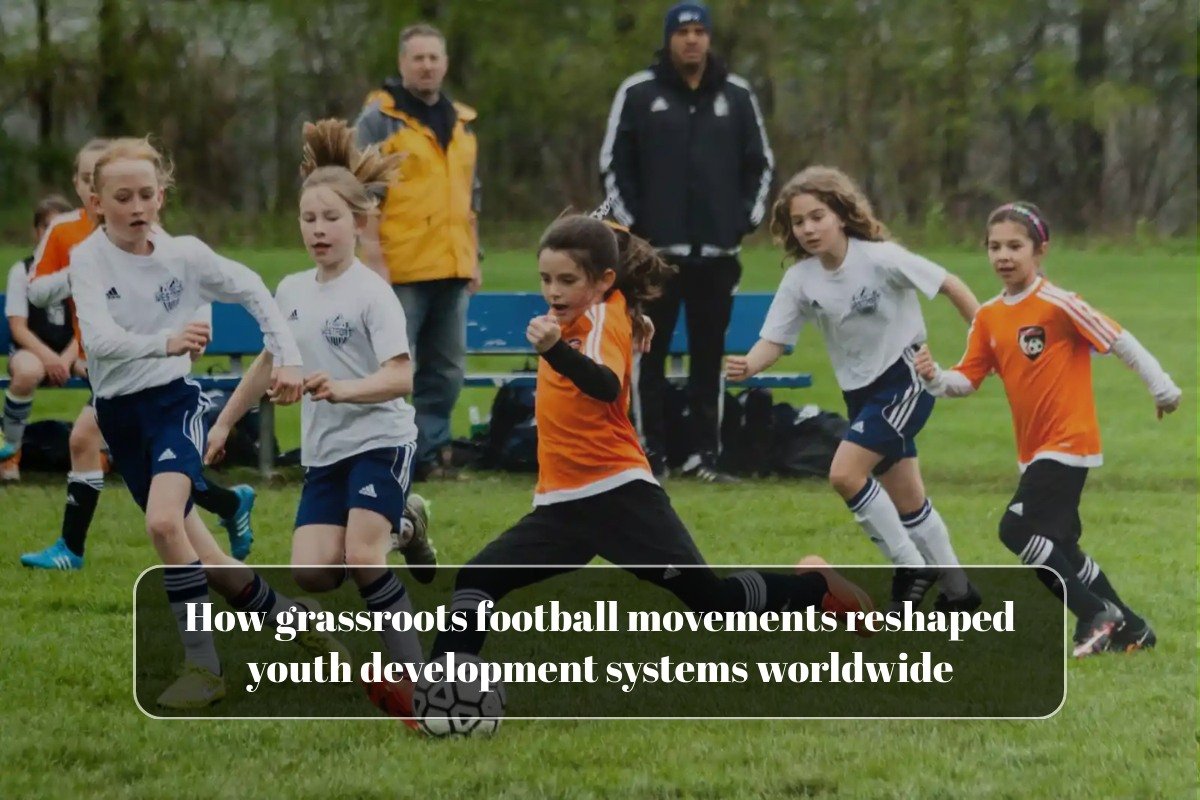
Grassroots football has played a major role in increasing diversity within the sport. By lowering financial, social, and cultural barriers, these movements have helped include girls, refugees, children with disabilities, and young people from underrepresented backgrounds.
Girls’ football in particular has grown rapidly due to grassroots advocacy and community-led programs. Inclusive grassroots initiatives have challenged outdated norms and opened pathways for broader participation. As a result, youth development systems worldwide are becoming more equitable and reflective of society.
Influencing National Development Models
The success of grassroots approaches has not gone unnoticed. Several countries have redesigned their national youth development frameworks based on principles first championed by community football.
Models that emphasize small-sided games, free play, creativity, and delayed specialization are now widely adopted. Countries with strong grassroots foundations often produce technically gifted, adaptable players who thrive under pressure. This has reinforced the idea that elite performance is best built on inclusive, player-centered development rather than rigid systems.
Empowering Youth Through Ownership and Identity
Grassroots football often gives young players a sense of ownership over their development. Playing in familiar environments with friends, neighbors, and local mentors builds confidence and belonging.
This emotional connection to the sport can be just as important as technical training. Players who feel valued and supported are more likely to remain engaged, take initiative, and develop resilience. Youth development systems increasingly recognize the psychological benefits of this community-centered approach.
Creating Global Networks and Shared Learning
Grassroots football movements are no longer isolated. Through social media, international organizations, and cross-cultural partnerships, community programs now share ideas and best practices across borders.
This global exchange has accelerated innovation in youth development. Coaches learn new methods, organizations collaborate on inclusion initiatives, and successful models are adapted to different cultural contexts. The result is a more connected, adaptable global youth development ecosystem.
Frequently Asked Questions
What is grassroots football?
Grassroots football refers to community-based, accessible football programs that focus on participation, inclusion, and development at the local level rather than elite competition.
How has grassroots football changed youth development?
It has expanded access, promoted holistic development, encouraged inclusion, reduced early specialization, and influenced national training philosophies.
Why is grassroots football important for talent discovery?
By reaching more communities and removing barriers, grassroots programs uncover talent that might otherwise be overlooked by traditional elite systems.
How does grassroots football support life skills?
Many programs emphasize teamwork, discipline, confidence, leadership, and resilience alongside technical football skills.
Has grassroots football influenced professional academies?
Yes. Many professional and national development systems now incorporate grassroots principles such as player-centered coaching, creativity, and long-term development.
Can grassroots football support girls’ and inclusive participation?
Absolutely. Grassroots initiatives have been central to the growth of girls’ football and the inclusion of underrepresented groups worldwide.