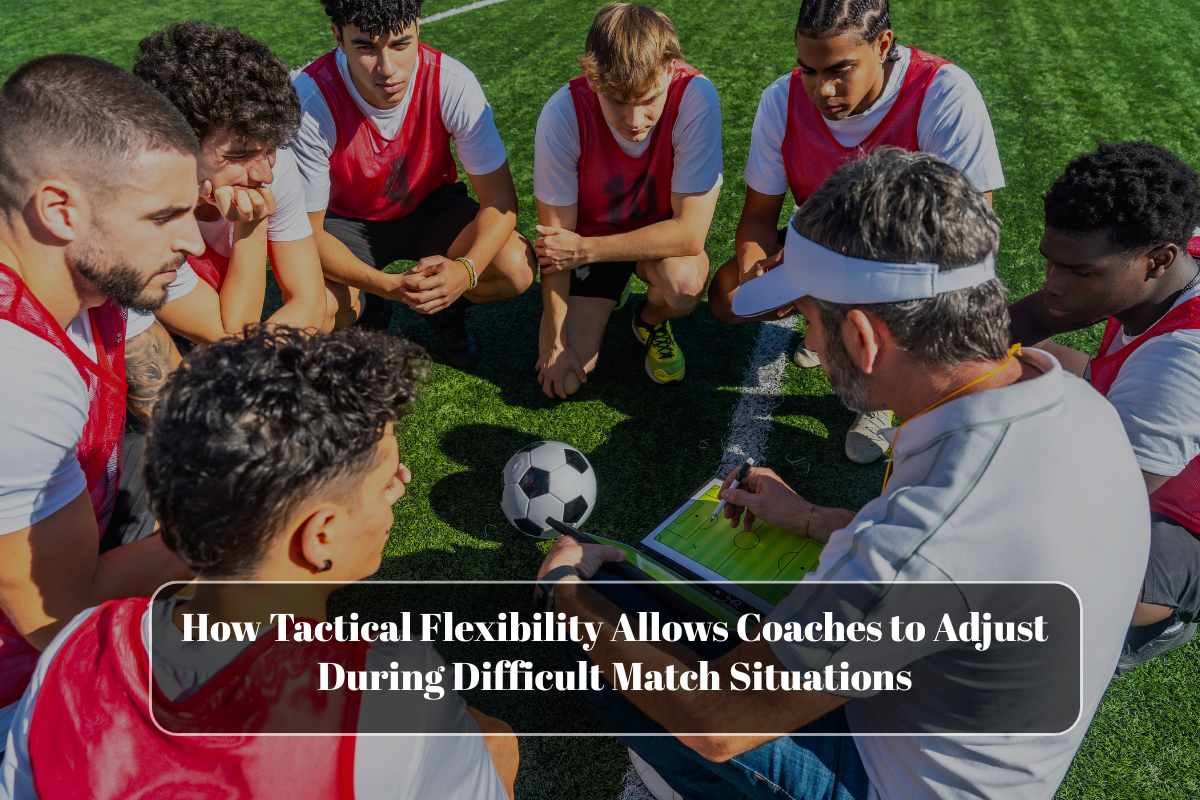
Tactical flexibility empowers US coaches to pivot strategies mid-game, turning deficits into victories across sports like NFL, NBA, and MLS. This adaptability relies on real-time analysis, player versatility, and clear communication. In high-stakes matches, coaches who read opponents and adjust swiftly gain edges, as seen in iconic comebacks.
Core Principles
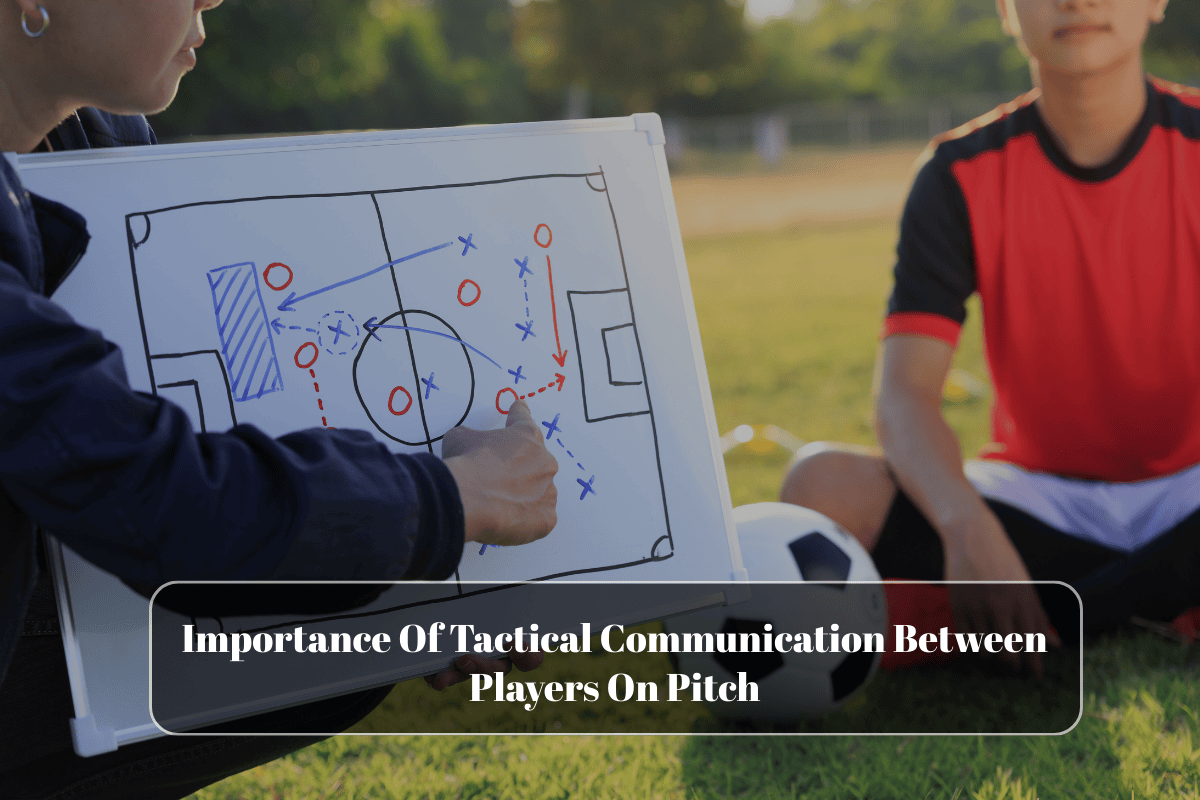
Effective adjustments start with diagnosing issues quickly—possession loss, defensive breakdowns, or mismatches. Coaches assess via sideline tablets, video review, and player feedback, per NBA and NFL norms. Principles include simplifying changes for execution, like switching pick-and-roll coverages or formations without overhauling systems.
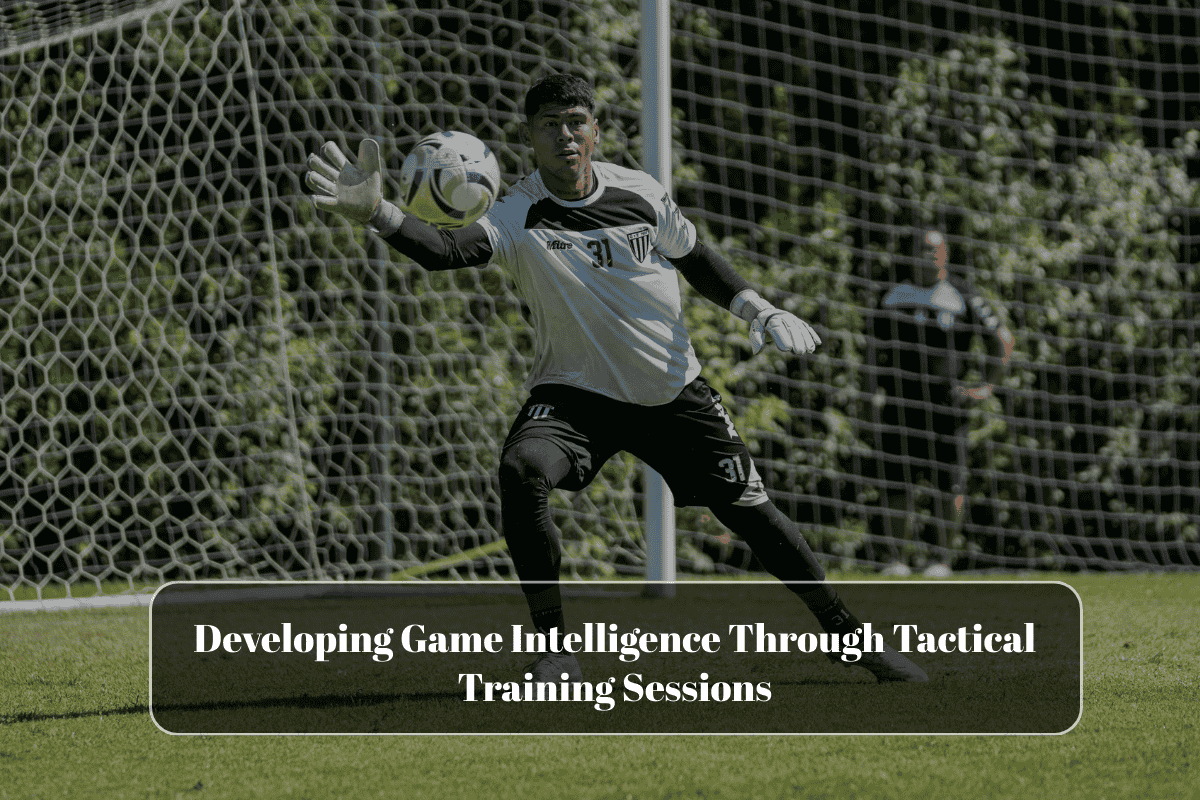
Player buy-in matters; versatile rosters enable shifts, such as NBA guards screening or NFL linemen blitzing. US college programs drill multiple roles, fostering decision-making under pressure. Timing is key—early tweaks (10-15 minutes) prevent panic, while halftime allows deeper resets.
NFL Halftime Pivots
NFL coaches excel at halftime overhauls, debunking “myth” narratives through data-driven tweaks. Bill Belichick’s Super Bowl LI adjustment—trailing 28-3—stacked the box against Atlanta’s run, forcing passes and sparking a 31-0 comeback. Sean McVay’s NFC Championship 2021 shift exploited 49ers gaps post-halftime, securing a 20-17 win via mismatches.
Andy Reid innovates offensively, like tweaking Chiefs protections against blitzes. Defensive masters like Wade Phillips in Super Bowl 50 neutralized Cam Newton with zone blitzes, holding Carolina scoreless after intermission. Analytics guide these, with 60% of comebacks tied to scheme changes.
NBA In-Game Switches
NBA demands constant micro-adjustments due to short quarters and video coordinators. Tyronn Lue tops GM polls for tweaks, like Clippers’ play-in small-ball run (26-6) versus Pelicans, countered by opponent mirroring. Erik Spoelstra switches defenses—zone to man—mid-quarter, as in Heat’s series vs. 76ers with Ersan Ilyasova spacing the floor.
Pick-and-roll hedges evolve via hand signals post-free throws. Halftime reinforces rotations or drops doubles on stars, boosting efficiency. Flex offenses allow cuts and screens for fluidity, adapting to pressure.
MLS and Soccer Adaptations
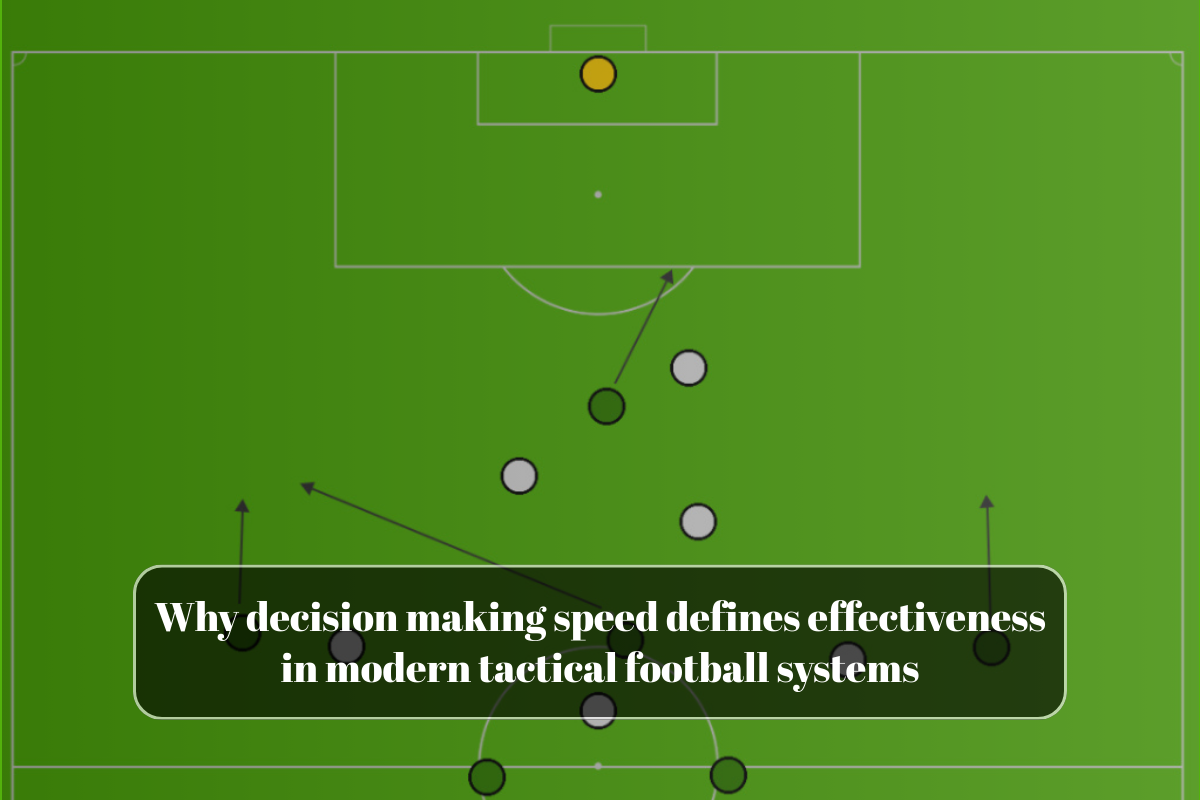
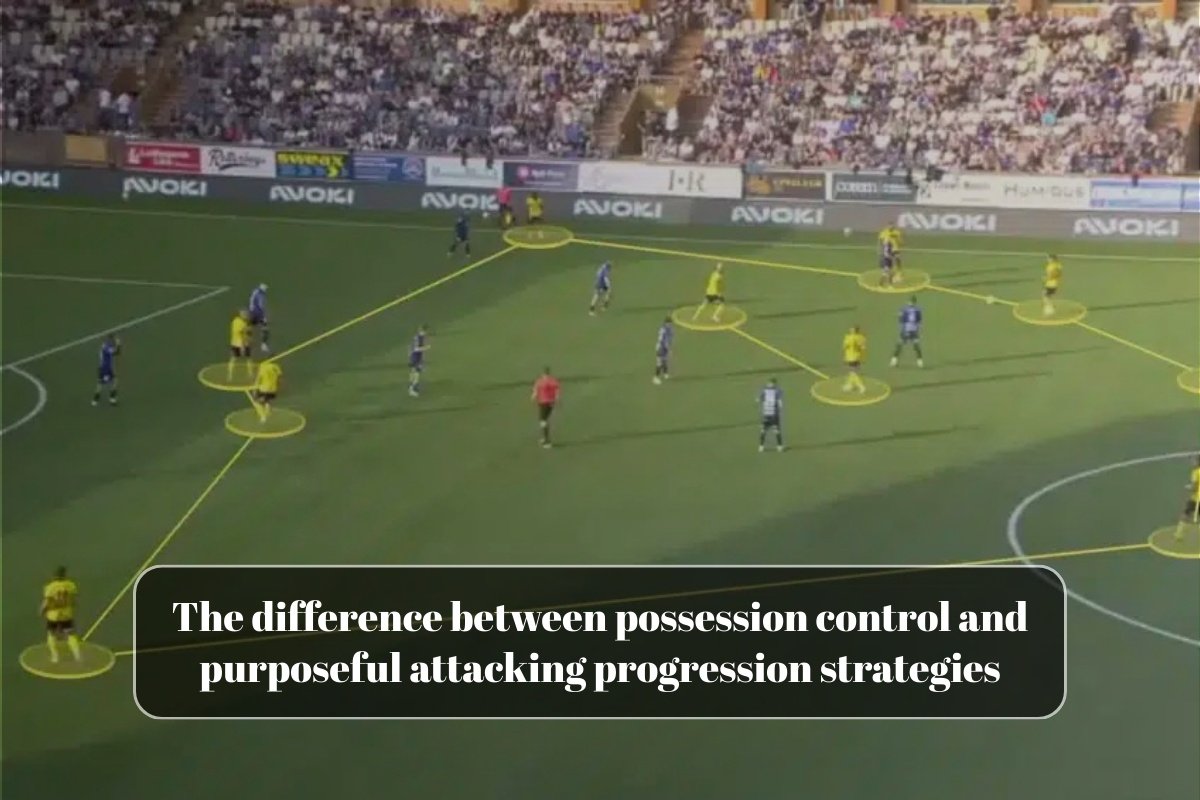
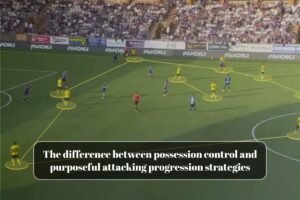
MLS emphasizes tactical evolution from physicality to sophistication, with coaches like those in 2025 playoffs shifting presses. Against high lines, drop to compact mids; versus buses, exploit wings with 4-3-3 switches. USMNT’s Mauricio Pochettino uses throw-ins as attacks, training variations for progression.
Game theory counters opponents—fake styles early, then pivot. Red cards prompt back-fives; scorelines dictate tempo. Coaches train fluidity without abandoning models, using data for overloads.
Key Tools and Training
Video analysis simulates scenarios; Catapult tech tracks movements for real-time insights in MLS/NBA. Practices build versatility: rotate roles, constraint games (e.g., no midfielders force adaptations). Timeouts reset momentum—fire up, sub specialists, or diagram plays.
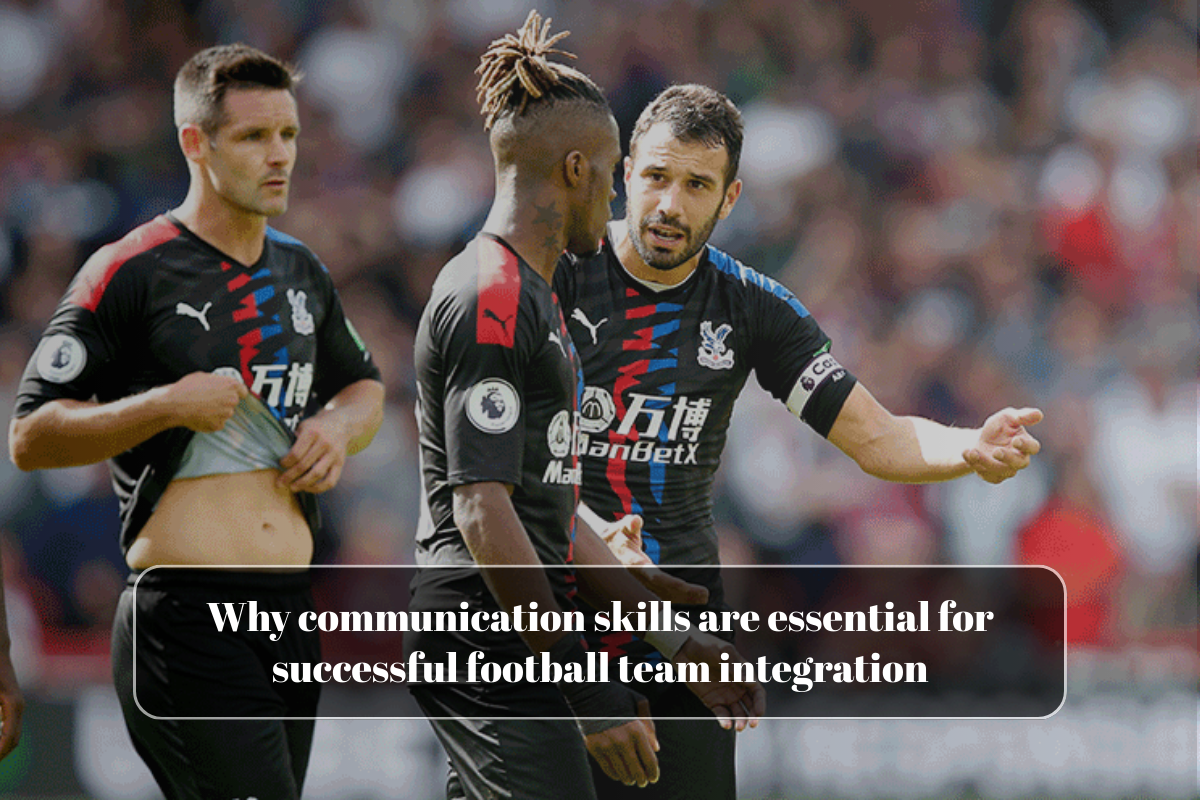
Communication via cues (“screen left”) ensures execution. Analytics predict responses, like NFL pressure counters.
Case Studies of Success
Belichick’s Patriots mastered predictability vulnerabilities, switching blitz packages. NBA’s Clippers under Lue went small for pace. MLS Inter Miami under Tata Martino overloaded centrally against compact defenses. Failures, like rigid philosophies, cost games—flexibility wins playoffs.
Preparation drills problem-solving; in-game, bold coaches thrive. US sports’ parity rewards adapters.
Challenges and Pitfalls
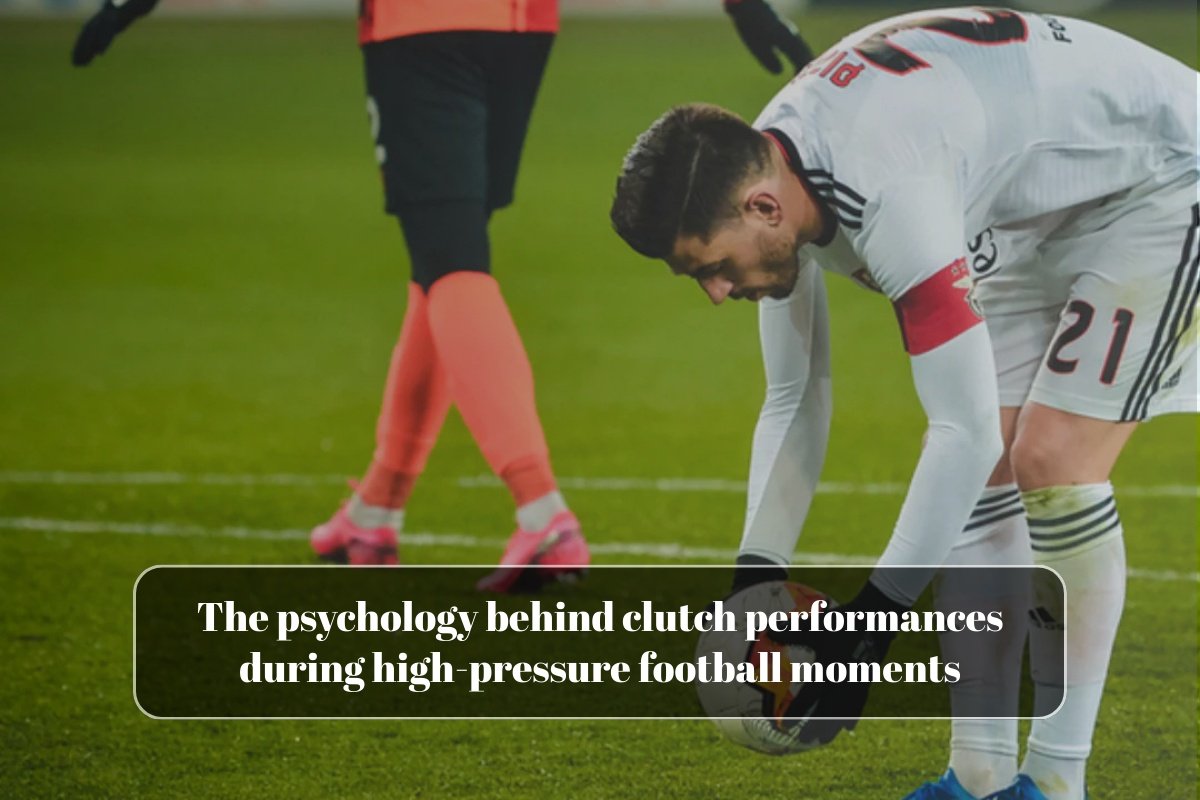
Over-adjusting causes chaos; simplicity rules. Squad limits hinder—rigid players falter. Anxiety spikes errors, so minimal verbal cues aid. Opponents scout habits, demanding unpredictability.
Balancing philosophy with pragmatism defines elites like Guardiola’s reinventions, influencing US coaches.
FAQs
1. What makes NFL halftime adjustments effective?
Data review identifies flaws; simple schemes like box-stacking neutralize runs, as in Super Bowl LI.
2. How do NBA coaches adjust pick-and-rolls?
Hand signals switch hedges/drops post-free throws; video aids halftime rotations.
3. Why train tactical flexibility in MLS?
Versatile players overload zones or counter presses without full resets.
4. When to make early-game changes?
10-15 minutes if plan fails; diagnose via sideline feedback/video.
5. What’s a common basketball transition tweak?
Outlet passes and lane runs exploit disorganized defenses for fast breaks.