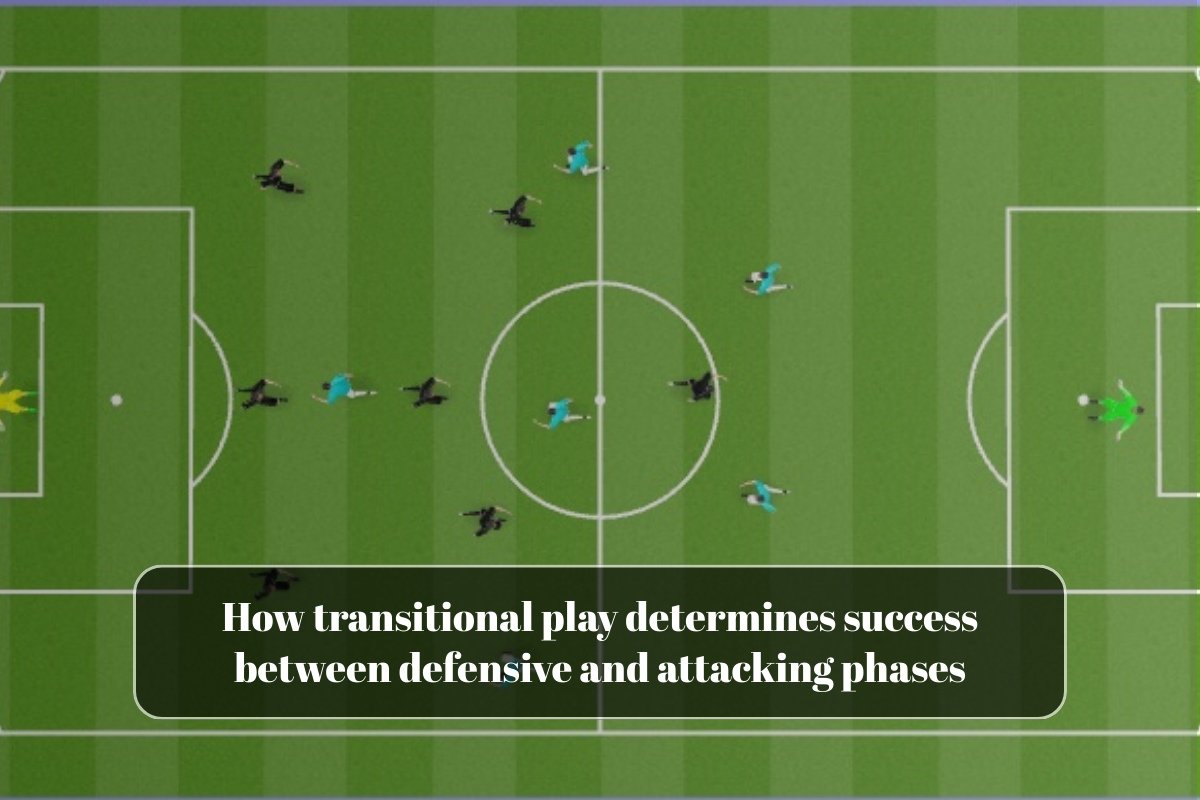
Modern football is no longer defined only by how well a team attacks or defends in organized phases. Increasingly, matches are decided in the moments between these phases—when possession changes and teams must react instantly. Transitional play, both from defense to attack and from attack to defense, has become one of the most decisive factors in football success.
Understanding Transitional Play in Football
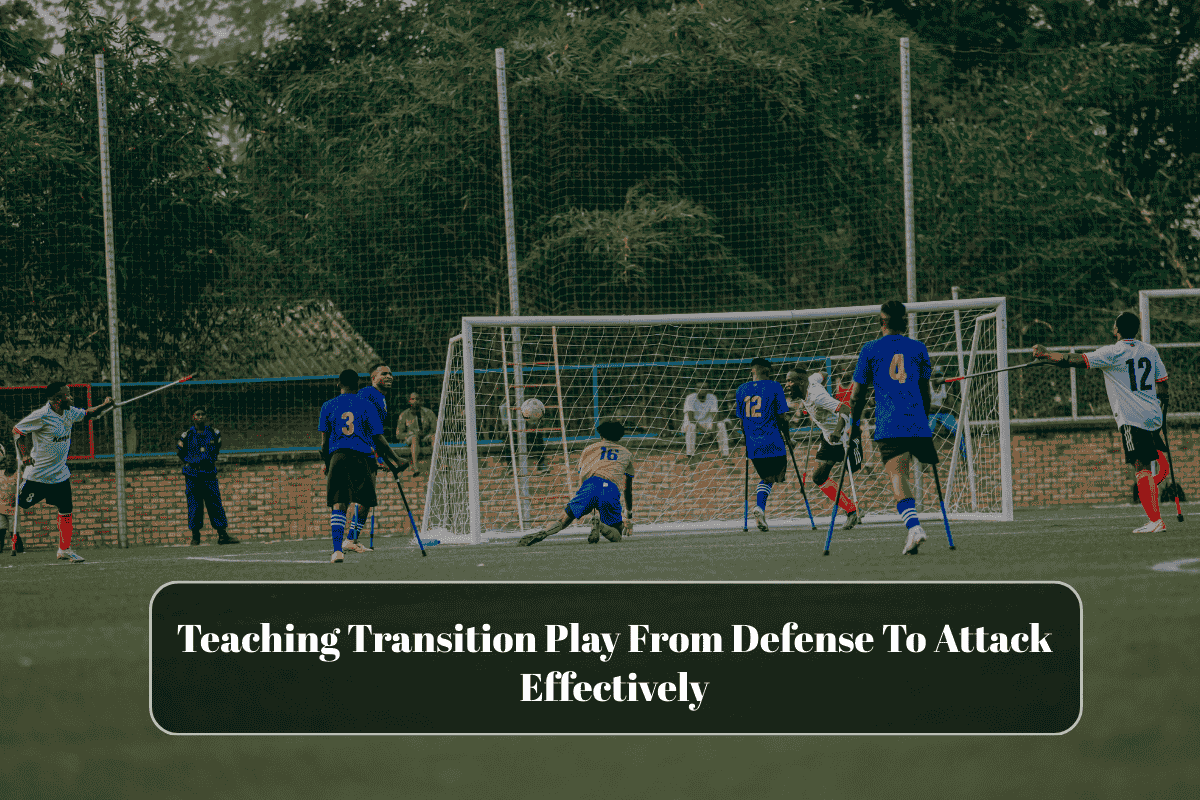
Transitional play refers to what a team does immediately after winning or losing possession. These moments are brief but chaotic, as team shape is often unbalanced and opponents are vulnerable.
There are two key transitions:
- Defensive to attacking transition (counter-attacking moments)
- Attacking to defensive transition (counter-pressing or recovery moments)
Teams that manage these transitions well gain a tactical and psychological edge.
Why Transitions Are the Most Vulnerable Moments
When possession changes, players are often out of position. Defenders may be spread wide, midfielders caught ahead of the ball, and attackers not ready to defend. This creates space, confusion, and time pressure.
Successful teams exploit these moments because:
- Defensive structures are not yet set
- Decision-making must be instant
- Small advantages quickly become goal-scoring opportunities
Transitional efficiency often matters more than overall possession or shot count.
Defensive to Attacking Transitions: Turning Recovery Into Threat
Winning the ball is only the first step. What happens next determines whether possession is harmless or dangerous.
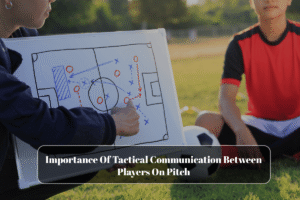
Effective attacking transitions require:
- Immediate forward options
- Quick scanning and awareness
- Vertical passing or purposeful carries
Players must recognize space instantly and attack it before the opponent reorganizes. Speed of thought is often more important than speed of movement.
The Role of Midfielders in Transition
Midfielders are the engine of transitional play. They connect recovery with progression and often decide whether a team counters or stabilizes.
Strong transitional midfielders:
- Anticipate turnovers
- Offer passing angles immediately
- Choose between accelerating play or slowing it down
Their decision-making directly affects control and momentum.
Attacking to Defensive Transitions: Preventing the Counter
Losing possession is just as critical as winning it. Teams that fail to react defensively after losing the ball are exposed to fast counter-attacks.
Successful defensive transitions involve:
- Immediate pressure on the ball carrier
- Compact positioning around the loss zone
- Collective responsibility rather than individual chasing
This phase is often called counter-pressing and has become a hallmark of elite teams.
Compactness and Distance Between Lines
Transitional success depends heavily on team spacing. When units are compact, transitions become shorter, faster, and more controlled.
Poor spacing leads to:
- Gaps between defense and midfield
- Isolated defenders facing numerical disadvantages
- Higher physical and mental strain
Well-structured teams stay connected even when attacking, preparing for the next transition before it happens.
Mentality and Reaction Speed
Transitions test mentality as much as tactics. Players must switch roles instantly—from attacker to defender or vice versa—without hesitation.
Teams that dominate transitions:
- React instead of complain
- Sprint immediately after turnovers
- Treat transitions as collective moments
This mindset often separates disciplined teams from talented but inconsistent ones.
Training Transitional Play
Because transitions are unpredictable, training must simulate match realism. Small-sided games, transition-focused drills, and scenario-based exercises are commonly used.
Effective training focuses on:
- Speed of reaction
- Decision-making under pressure
- Communication and coordination
The goal is to make correct transitional behavior automatic.
Tactical Identity and Game Control
Teams with strong transitional play control matches even without dominating possession. They decide when to accelerate and when to stabilize.
This control:
- Reduces defensive exposure
- Maximizes attacking efficiency
- Forces opponents into rushed decisions
In modern football, transitions are where tactical identity becomes visible.
FAQs
Why are transitions more important than possession?
Because goals often occur when teams are unbalanced, which typically happens during transitions rather than settled possession.
What is the difference between counter-attacking and transitional play?
Counter-attacking is one type of attacking transition; transitional play includes both attacking and defensive reactions after possession changes.
Which players are most important in transitions?
Midfielders and fullbacks are especially important due to their positioning and involvement in both phases.
Can weaker teams use transitions to compete with stronger teams?
Yes. Strong transitional organization allows teams to exploit space and reduce the impact of technical disadvantages.
How can coaches improve transitional play?
By training reaction speed, compactness, and decision-making through game-realistic drills and clear tactical principles.