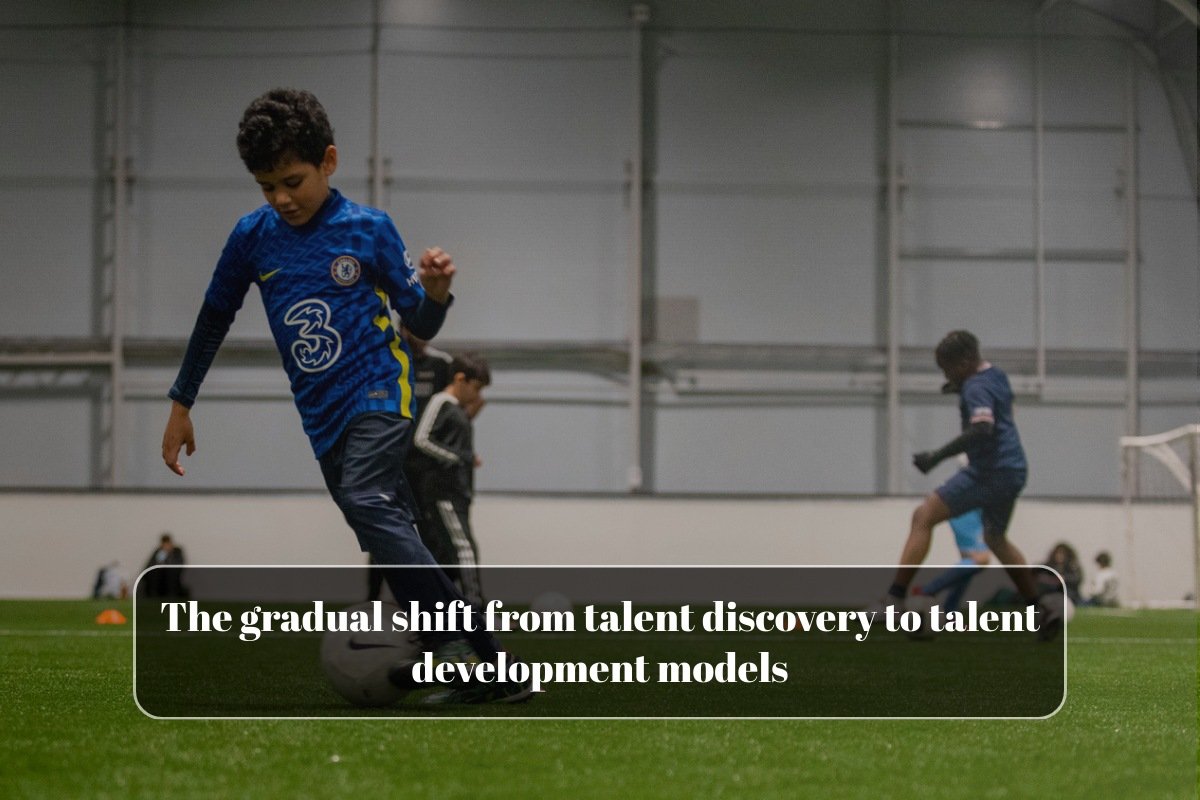
In modern football, sustained success is rarely built overnight. While high-profile transfers dominate headlines, the true foundation of long-term dominance often lies within youth academies. Clubs such as FC Barcelona, AFC Ajax, Manchester United F.C., and FC Bayern Munich have demonstrated how structured youth development systems create identity, financial stability, and competitive consistency.
The Evolution of Youth Development in Football
Youth academies were once informal systems focused primarily on scouting local talent. Over time, they evolved into highly professional institutions featuring elite coaching, sports science, psychological support, and education programs.

Clubs began to realize that developing players internally offered several advantages:
- Long-term cost efficiency
- Stronger club identity
- Tactical continuity
- Sustainable squad building
The transformation of La Masia into a global model of excellence signaled a turning point. Rather than relying solely on transfers, clubs could now produce technically gifted players aligned with their football philosophy from an early age.
Strategic Advantages of Youth Academies
1. Financial Sustainability
Developing talent internally reduces dependency on expensive transfers. Homegrown players:
- Eliminate large transfer fees
- Reduce wage inflation
- Generate profit through future sales

For example, AFC Ajax consistently reinvests academy profits into infrastructure, creating a self-sustaining cycle of development and success.
2. Club Identity and Philosophy
Youth academies embed tactical principles early. At clubs like FC Barcelona, players are trained in positional play from childhood, ensuring seamless integration into the first team.
This alignment creates:
- Tactical consistency
- Faster first-team adaptation
- Stronger emotional connection with supporters
3. Long-Term Competitive Stability

Clubs relying heavily on transfers often face instability during financial downturns. In contrast, academy-focused clubs maintain depth and resilience.
Comparative Impact: Academy Model vs Transfer Model
| Factor | Youth Academy Model | Transfer-Heavy Model |
|---|---|---|
| Financial Risk | Lower long-term risk | High financial exposure |
| Squad Cohesion | Strong cultural unity | Frequent adaptation needed |
| Tactical Identity | Consistent philosophy | Style varies by recruitment |
| Sustainability | High | Dependent on revenue streams |
The table highlights why many elite clubs now prioritize internal development as a strategic pillar.
Case Studies of Successful Academy Systems
La Masia – Technical Excellence
La Masia produced generations of technically refined players who dominated European football. Its methodology emphasizes ball control, spatial awareness, and decision-making intelligence.
Ajax – Tactical Intelligence
AFC Ajax focuses on tactical adaptability and technical mastery. The club’s academy regularly supplies both its first team and Europe’s top leagues.
Manchester United – Cultural Legacy
The famed “Class of ’92” symbolized how Manchester United F.C. leveraged youth to build dynasties, reinforcing club culture and continuity.
Bayern Munich – Structural Integration
FC Bayern Munich integrates academy players gradually, ensuring physical readiness and mental resilience before senior promotion.
Core Components of a Successful Youth Academy
A modern elite academy typically includes:
- Advanced scouting networks
- UEFA-licensed coaching staff
- Sports science and injury prevention
- Psychological and academic support
- Clear pathway to the first team
The synergy between these components determines long-term success more than raw talent alone.
The Modern Shift: Data and Global Scouting
Today’s academies leverage analytics, GPS tracking, and AI-based performance monitoring. Clubs identify potential earlier and design personalized development programs.
Additionally, globalization has expanded scouting networks, allowing academies to recruit internationally while maintaining a structured developmental identity.
Challenges Facing Youth Academies
Despite their advantages, academies face several obstacles:
- Competition from wealthier clubs poaching talent
- Regulatory restrictions
- Pressure for immediate first-team results
- Balancing education with elite competition
However, clubs committed to long-term strategy continue to view academies as essential investments rather than optional projects.
FAQs
Q. Why are youth academies important in football?
Youth academies develop players aligned with a club’s philosophy, reduce transfer spending, and ensure long-term competitive stability.
Q. Which clubs are famous for strong youth academies?
Clubs such as FC Barcelona, AFC Ajax, Manchester United F.C., and FC Bayern Munich are widely recognized for their development systems.
Q. Do youth academies guarantee success?
While not guaranteed, strong academy structures significantly increase long-term sustainability and reduce financial risk.
Q. How do academies generate revenue?
Through player development and profitable transfers, clubs reinvest academy-generated income into infrastructure and scouting.
Youth academies are no longer supplementary departments—they are the backbone of modern football excellence.