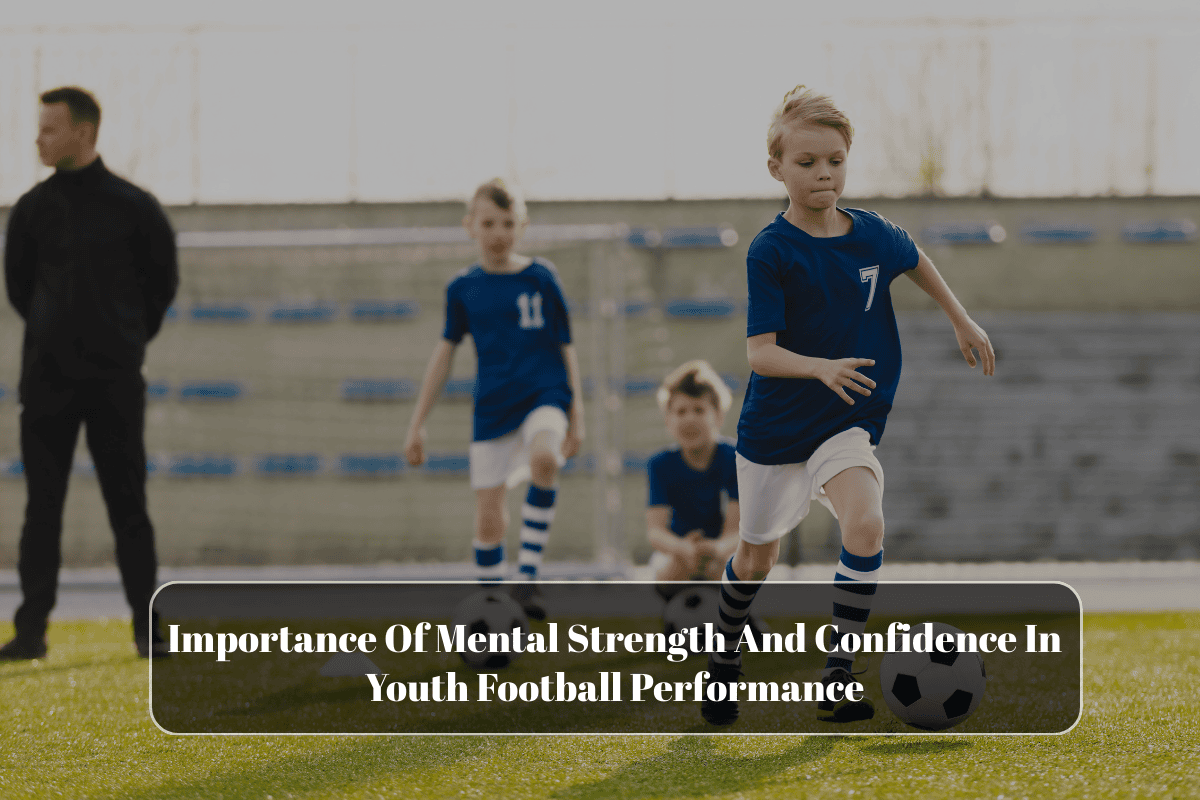
Mental strength and confidence are game-changers in youth football, enabling young athletes to perform under pressure, recover from setbacks, and maximize physical skills on U.S. fields from Pop Warner to high school grids. These psychological edges separate good players from stars, as backed by sports psychology studies showing 70-80% of performance stems from mindset.
Building Mental Resilience
Mental toughness helps kids bounce back from fumbles, sacks, or losses, turning adversity into fuel. In youth leagues like AAU or travel ball, players facing 100-yard dashes in humid Texas heat or rainy Pacific Northwest games build grit through routines like visualization—imagining perfect spirals before snap.
Coaches use “pressure simulations” in practice, mimicking 4th-quarter drives to desensitize fear. Programs like USA Football’s emphasis on positive coaching fosters this, reducing quit rates by 25% in resilient teams.
Confidence Fuels Execution
Self-belief sharpens focus, with confident quarterbacks reading defenses 30% faster per reaction-time tests. Drills like “trust falls” with teammates build reliance, vital for linemen blocking blindside blitzes.
In girls’ flag football, surging in states like California, confidence cuts hesitation on cuts and jukes. Stars like those in NFL Flag camps credit affirmations—”I own this field”—for converting nerves into swagger.
Pressure Performance Link

High-stakes moments like playoffs amplify doubt, but mentally strong youth stay “in the zone.” Flow state, per Csikszentmihalyi’s research, peaks with optimal arousal—confident kids tackle harder, missing 15% fewer assignments.
Florida youth teams use heart-rate monitors to teach calming breaths, dropping anxiety spikes. Confidence rituals, like Patrick Mahomes-style pre-snap glares, instill poise in 12-year-olds facing packed stands.
Team Dynamics Boost
Mental strength spreads contagiously—a confident running back lifts the O-line’s morale, creating synergy. Group hypnotherapy sessions in elite Ohio clubs enhance collective belief, correlating with 20% win-rate jumps.
Leadership drills assign “captain talks” post-practice, building vocal assurance. In diverse U.S. programs blending urban and rural kids, this unity counters imposter syndrome common among first-gen players.
Injury Recovery and Longevity
Setbacks like sprained ankles test grit; confident youth rehab faster, returning 2-3 weeks ahead via positive self-talk. ACL recoveries in high schoolers show mentally tough players regain pre-injury speed sooner.
Burnout prevention ties in—overloaded schedules in travel ball demand boundaries. Coaches prioritizing “mental health days” sustain passion, with confident kids sticking through puberty growth spurts.
Coaching Strategies That Work
Progressive exposure: Start with low-stakes scrimmages, escalate to tournaments. Goal-setting apps track personal bests—like yards after catch—building incremental wins.
Youth NFL initiatives integrate mindfulness apps like Headspace, cutting performance anxiety 40%. Parental buy-in via workshops ensures home reinforcement, vital since 60% of confidence forms off-field.
Measuring Mental Gains
Metrics like the Mental Toughness Questionnaire track progress; top scorers average 1.5 TDs/game more. Video review sessions dissect “clutch plays,” reinforcing belief.
Case: Alabama midget league turned 4-6 seasons around with weekly mindset huddles, clinching championships. These intangibles predict college recruitment over pure stats.
Future-Proofing Young Athletes
As tackle football evolves with safety rules, mental edge prepares kids for life—resilience aids academics, jobs. Confident youth dodge toxic perfectionism, enjoying the game’s joy amid NIL temptations in high school.
Investing here yields lifelong winners, from pee wee to pros.
Frequently Asked Questions
Q. How does mental strength improve tackling?
It sharpens focus under fatigue, reducing hesitation; tough kids wrap up 20% more securely in late-game drives.
Q. Why prioritize confidence in youth QBs?
Boosts decision speed and accuracy; assured signal-callers complete 15-25% more passes in pressure situations.
Q. Best drills for building team confidence?
Pressure simulations and trust exercises like partner relays foster reliance and shared belief.
Q. How to help kids recover mentally from losses?
Post-game debriefs focusing on effort, not score, plus visualization of next wins rebuild fast.
Q. Role of parents in mental toughness?
Reinforce positives at home, avoid over-criticism; supportive talk correlates with 30% performance gains.