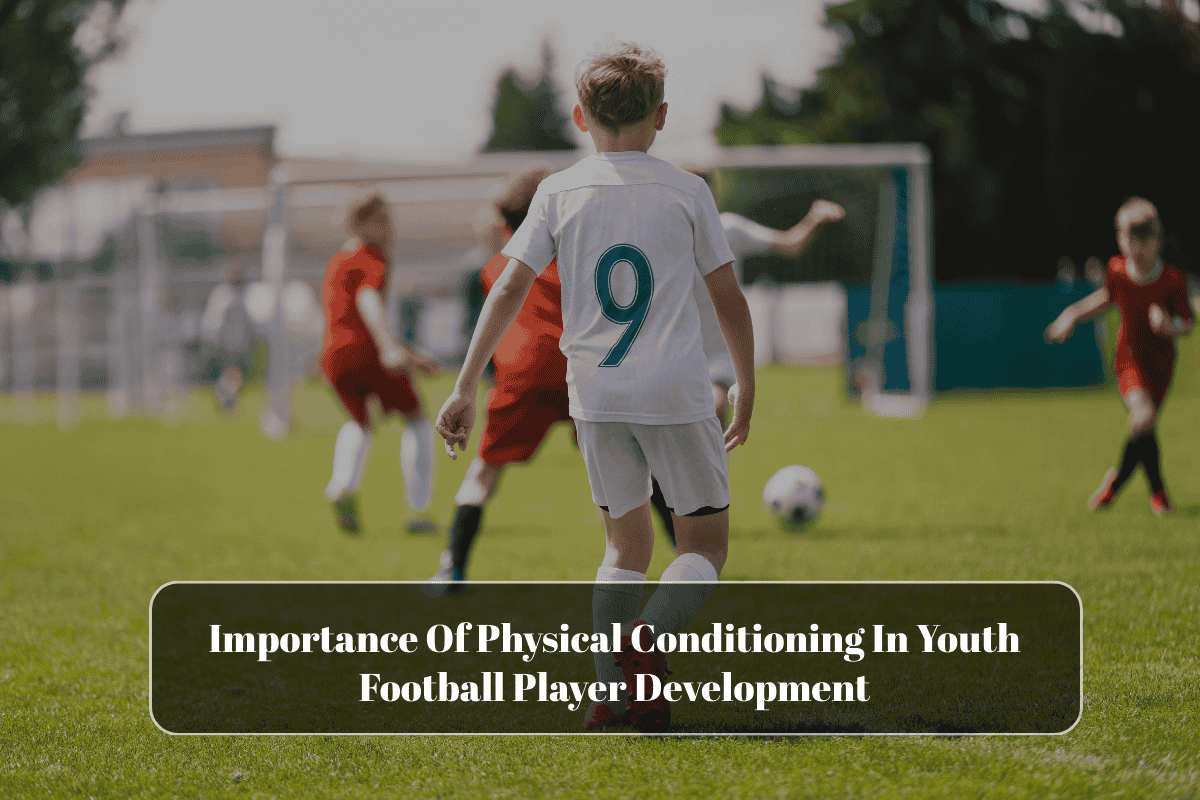
Physical conditioning forms the cornerstone of youth football player development, building resilient athletes who excel in speed, strength, agility, and injury prevention from ages 6-18. In U.S. programs, where participation tops 7 million kids yearly, structured fitness reduces overuse injuries by 30-50% and boosts performance metrics like sprint times by 15%, creating a foundation for long-term success in high school and beyond.
Why Conditioning Trumps Talent Alone
Raw athleticism fades without base fitness; untrained players fatigue faster, make poor decisions, and risk burnout. LTAD models like USA Football’s FDM emphasize age-appropriate conditioning to match biological readiness—younger kids focus on coordination, teens on power.
Neglect leads to 40% dropout rates; conditioned athletes stay engaged, mastering skills under fatigue that mirrors games.
Age-Specific Conditioning Pillars
Tailor to developmental windows for optimal gains:
| Age Group | Primary Focus | Sample Activities |
|---|---|---|
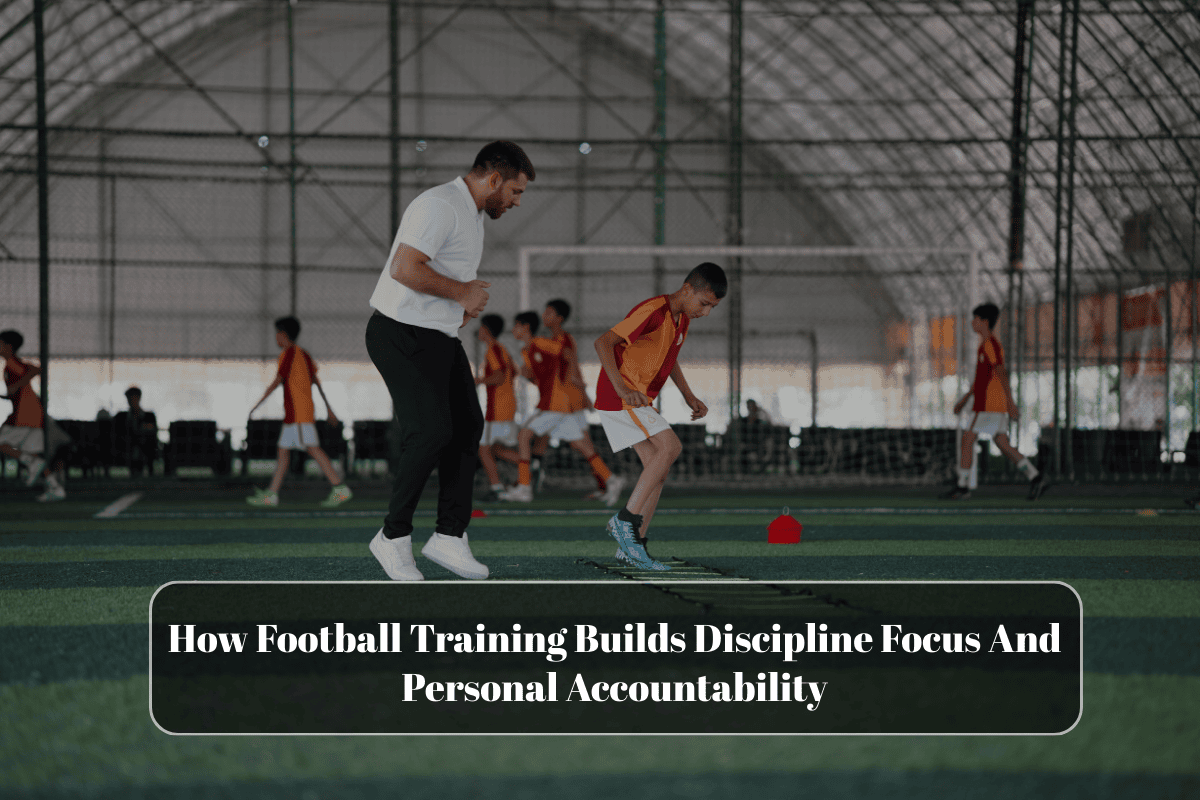
| 6-9 (FUNdamentals) | Coordination, balance | Agility ladders, tag games, bodyweight circuits (10-15 mins) |
| 10-12 (Learning to Train) | Speed, endurance | Shuttle runs, hill sprints, med ball throws (20 mins, 2x/week) |
| 13-15 (Training to Train) | Strength, power | Squats, plyometrics, resistance bands (30 mins, 3x/week) |
| 16-18 (Training to Compete) | Sport-specific explosiveness | Olympic lifts, sled pushes, HIIT (40 mins, 4x/week) |
Progress gradually: 70% bodyweight before weights, always with form checks.
Core Conditioning Components
1. Speed and Agility (40% Time)

Drills like 5-10-5 pro agility, mirror matches build change-of-direction—vital for linemen evading blocks. Mirror tag: Pairs react, switch roles; scales to cones/resistance.
2. Strength Foundation (30% Time)
Bodyweight first (push-ups, planks >60s), then core (Russian twists), lower body (lunges). Teens add barbells post-puberty—squats at 1x bodyweight. Prevents ACL tears, common in unconditioned girls.
3. Endurance and Conditioning (20% Time)
Interval runs (30s sprint/30s jog x10), small-sided games simulate game pace. YO-YO tests track aerobic capacity; aim VO2 max gains.
4. Flexibility and Recovery (10% Time)
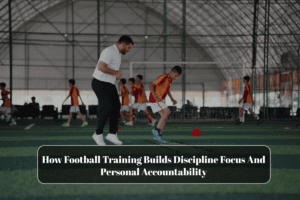
Dynamic warm-ups (leg swings), yoga flows post-practice. Foam rolling teaches self-care; sleep/nutrition talks build habits.
Sample Weekly Microcycle (U12)
| Day | Focus | Duration |
|---|---|---|
| Mon | Speed/Agility | 25 mins + skills |
| Wed | Strength/Core | 30 mins circuits |
| Thu | Endurance Games | 20 mins SSGs |
| Sat | Full Conditioning + Scrimmage | 40 mins integrated |
| Rest Days | Active recovery (walk, stretch) | 10 mins |
Warm-up mandatory: 10 mins dynamic, cool-down stretch. Hydration stations always.
Coaching Best Practices
- Progression Rule: Add 10% volume weekly; regress on fatigue signs.
- Individualization: Track via apps (Hudl); modify for sizes/abilities.
- Fun Integration: Competitions (plank holds), team relays.
- Safety First: NSCA-certified coaches; ratios 1:10 max. Screen for asymmetries.
- Parent Education: Workshops on home routines—push-up challenges.
Injury red flags: Pain > soreness means stop. Multisport encouraged for balance.
Long-Term Development Impact
Conditioned youth show 25% better combine metrics entering high school, higher scholarships (35% edge). Mental toughness byproduct: Grit under fatigue translates to clutch plays. Builds lifelong fitness, countering obesity epidemics. Ties to FDM legacy—fit players sustain careers.
Measurement and Progression
Baseline tests quarterly: 40-yard dash, vertical jump, plank time. Charts motivate; 5-10% gains normal. Annual physicals catch issues early.
Conditioning isn’t punishment—it’s empowerment, forging footballers who dominate fields and lives.
FAQs
1. Start conditioning age?
6-8 with fun coordination; strength post-puberty (12-14).
2. Weights safe for youth?
Yes, supervised bodyweight/light loads; form over load.
3. Weekly frequency?
2-4 sessions, 20-40 mins; rest equals work.
4. Injury prevention gain?
30-50% reduction via balanced strength/flexibility.
5. Track progress how?
Dash times, plank holds quarterly; game performance.