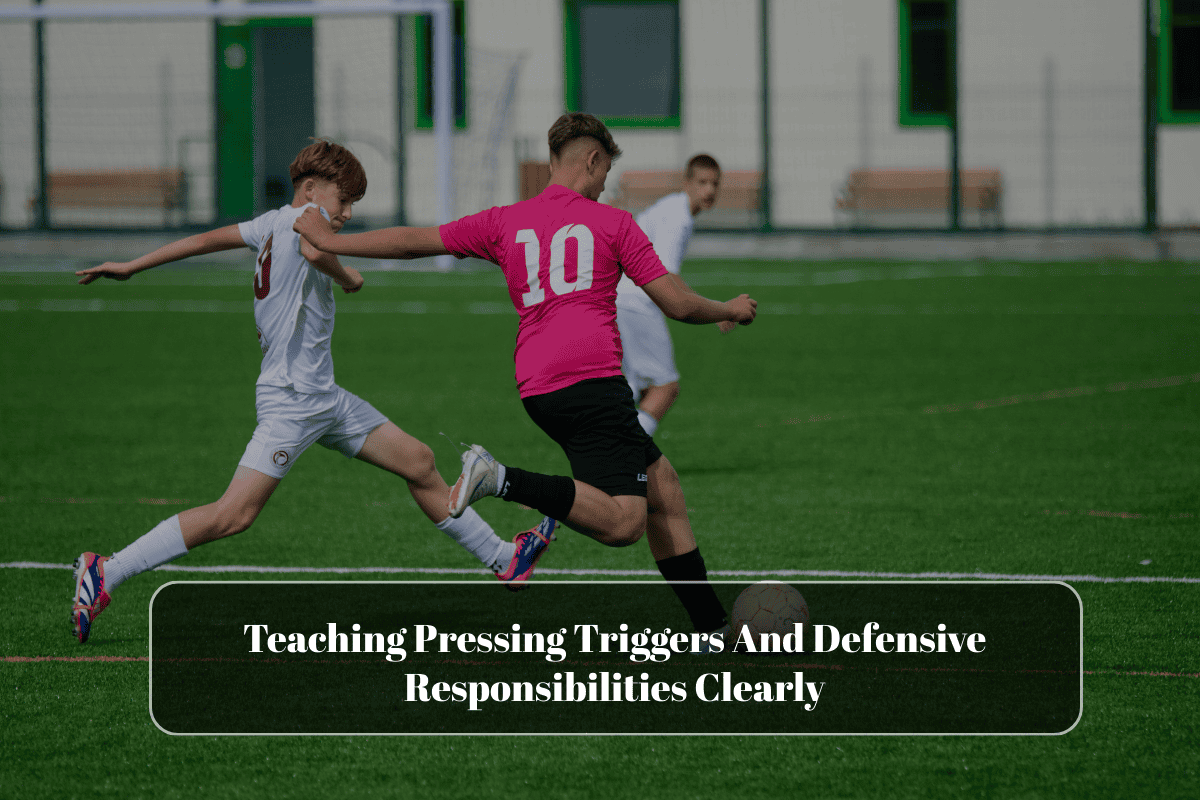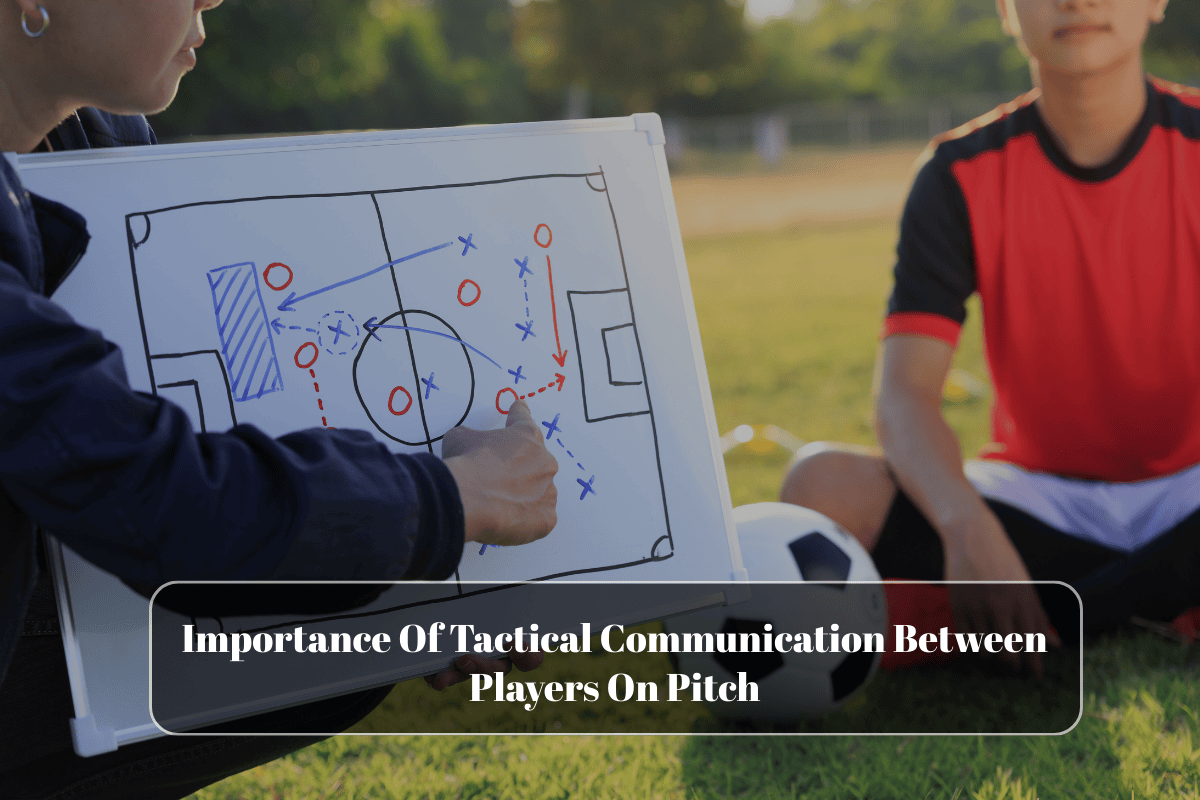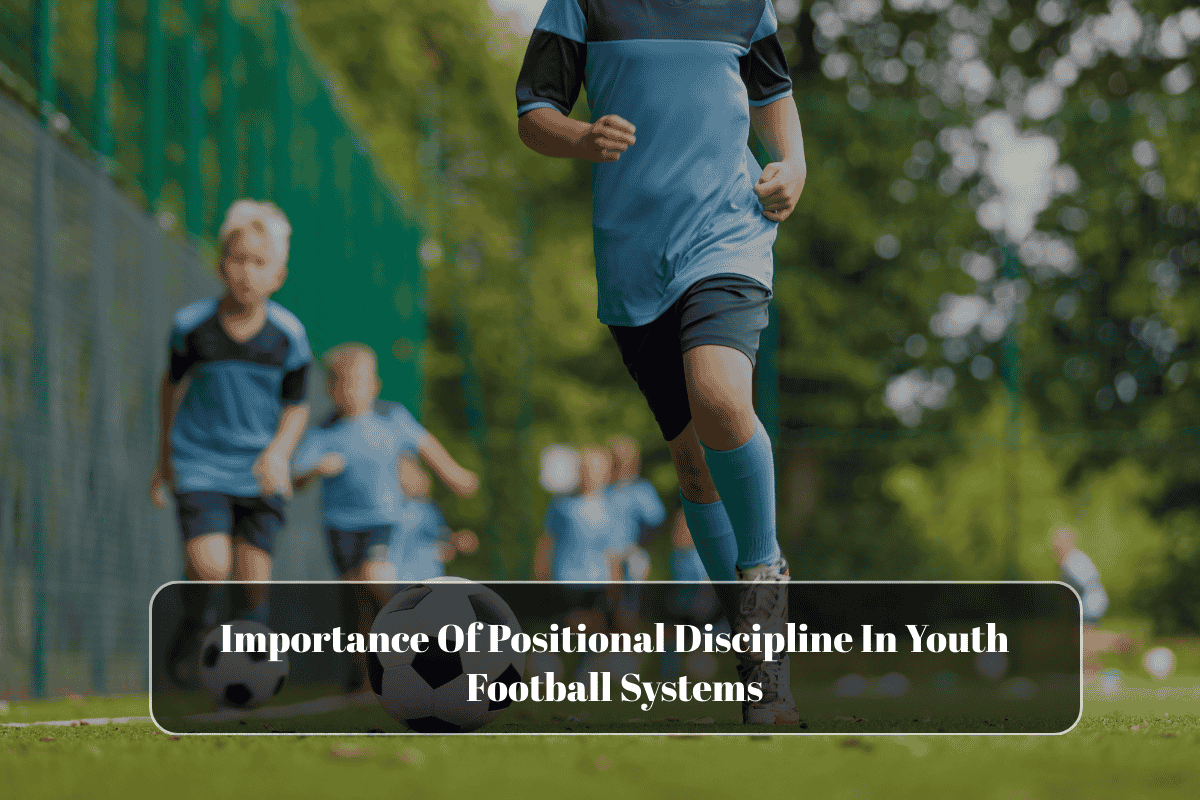
Positional discipline forms the backbone of effective youth football systems in the US, teaching players to maintain structure amid chaos, which reduces goals conceded by 25-40% and fosters tactical intelligence for long-term development.
By emphasizing zonal awareness over chasing the ball, coaches build cohesive units that transition smoothly from defense to attack, aligning with MLS Next and US Youth Soccer philosophies for ages U6-U19.
Why Positional Discipline Matters

Youth teams often collapse into “ball-chasing herds,” leaving gaps exploited in 70% of goals against, per coaching forums. Without discipline, even skilled players lack balance—defenders push too high, midfielders bunch, forwards isolate.
Structured positioning creates numerical advantages (e.g., 3v2), improves passing options, and ingrains habits for higher levels like ECNL or college soccer. It counters impulsivity in 8-14-year-olds, boosting decision-making under pressure.
Long-term, disciplined players adapt faster to 11v11, supporting career pathways in sports coaching.
Core Principles for Youth Systems
Focus on simple, progressive concepts avoiding rigid roles early.
- Zonal Awareness: Divide pitch into thirds; mandate one player per zone when attacking to stretch opponents.
- Shape Maintenance: Defensive “squeeze” (compact vertically), “stretch” (width in possession).
- Triggers: Ball movement cues repositioning—e.g., switch play shifts backline.
- Communication: Short calls like “shift!” or “depth!” enforce collective responsibility.
- Positive Reinforcement: Praise spacing over tackles; errors as teachable moments.
Applies universally: 4v4 for U8s, 9v9 for U12s.
Effective Training Drills
Hands-on sessions build habits without drills feeling like punishment.
- Grid Rondos (U8-U12): 20×20 yard grid, 4×4 squares; players pass/move to empty zones, avoiding doubles. Progress to color-coded rules (blue receives red, passes yellow). Teaches scanning/pre-decision.
- Zoned Small-Sided Games (U10+): Pitch split thirds; players can’t leave zones initially, then earn freedom via passes. Corner pugg goals reward width.
- Freeze Plays: Pause SSGs, reposition bunching players; discuss “why here?” Visualize balance.
- Positional Relays: Groups rotate roles post-goal; defenders to mids, building versatility.
- SSG Challenges: Extra points for maintained shape (e.g., +1 for players in all zones).
2x/week, 15-20 mins each; 70% game-related.
US Program Integration
Nationwide models embed discipline early.
| Age Group | Format | Key Drill | Outcome |
|---|---|---|---|
| U6-U8 | 4v4 | Shape Freeze | Basic spacing |
| U9-U10 | 7v7 | Zoned Rondos | Zonal balance |
| U11-U12 | 9v9 | Numbered SSGs | Triggers/width |
| U13+ | 11v11 | Positional Rotations | Tactical flexibility |
MLS Next academies mandate it; USYS festivals score teams on organization. Free resources via The FA Community model US adaptations.
Coaching Roadmap
Progressive rollout over seasons.
- Week 1-4: Awareness—visual diagrams, cone zones; no-pursuit rules.
- Month 2-3: Drills—rondos to SSGs; verbal cues mandatory.
- Mid-Season: Games—pause for tweaks; track “clean sheets via shape.”
- Evaluation: Video clips, parent logs; adjust per player.
- Off-Season: Camps reinforce; leadership roles for vets.
Ties to youth empowerment: Discipline breeds confidence, leadership.
Benefits and Long-Term Impact
Teams concede 30-50% fewer goals; players gain spatial IQ for club/college. Reduces burnout from constant sprinting; fun via success spirals. Coaches report 40% better transitions. Scales to pros—positionally smart youth shine in tryouts.
Supports holistic growth amid academics.
Discipline Without Demoralizing
Positive techniques: Praise spread-out kids; use “we shape” language. Avoid yelling—model composure. Progressive: Start fun grids, evolve complexity. Parents reinforce via sideline calm.
Builds resilient athletes for life.
FAQs
1. Start positional training at what age?
U6-U8 basics (zones); U10+ full discipline via rondos/SSGs.
2. Fix ball-chasing?
Zoned games, freeze drills; reward spacing over recoveries.
3. Free drill resources?
The FA forums, YouTube (Tovo Academy); adapt for US formats.
4. Measure progress?
Goals conceded via shape fails, zone occupancy in games.
5. Pro pathway link?
MLS Next mandates it; disciplined U12s dominate ID camps.