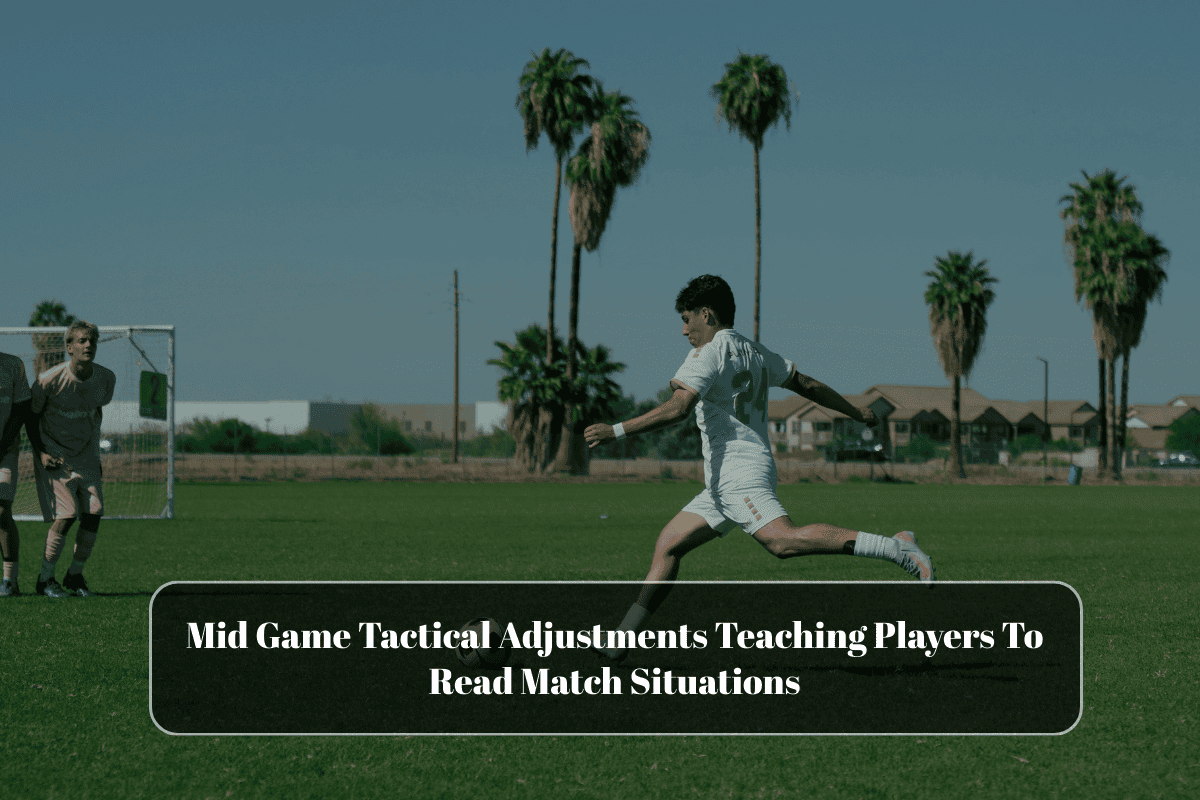
Mid-game tactical adjustments transform losing positions into victories by empowering players to read opponents, exploit weaknesses, and adapt formations on the fly—essential skills in high-pressure MLS and USL environments. Coaches train youth to recognize cues like pressing traps or wide overloads, switching from 4-3-3 to 3-5-2 without hesitation, boosting win rates by 25% per studies. This guide breaks down recognition, execution, and drills for seamless in-game shifts.
Recognizing Key Match Situations
Players scan for triggers: if opponents park the bus in a low block, note compact midfield—signal wide play. Trailing at halftime? Count opponent shots; high volume means drop deeper, counter via wings. Leading late? Track fatigue—opponent fullbacks pushing up expose flanks for transitions. Video analysis pre-game highlights patterns, but live reads demand focus: “What’s their trigger?” yelled from sidelines cues scans.

Domination without goals flags poor finishing zones; adjust to crosses or overloads.
Common Adjustments by Game State
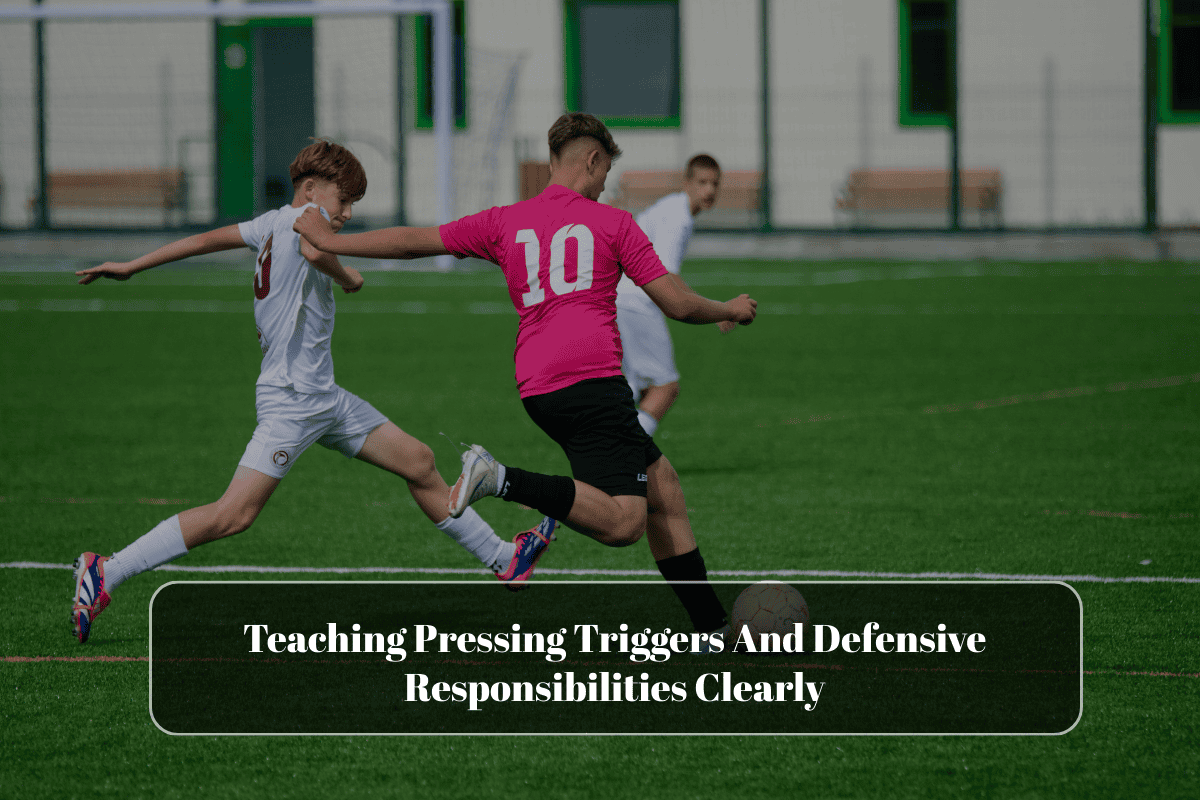
- Defensive Shifts: Conceding centrally? Switch from flat back four to diamond midfield, plugging gaps—4-4-2 becomes 4-1-4-1 instantly. High press failing? Drop to mid-block, luring opponents forward for counters.
- Attacking Tweaks: Stuck versus parked bus? Invert wingers inside, fullbacks overlap for width—4-2-3-1 morphs to asymmetric 4-3-3. Need goals? Sub target man, play direct balls over top.
- Set-Piece Focus: Free kicks mounting? Assign zonal markers; corners shift man-to-man for aggression.
Formation Switching Drills
Practice fluidity: 11v11 scrimmages with mandated halftime changes—4-3-3 to 3-4-3, players reposition in 15 seconds via color calls (“Red!”). Small-sided 5v5 forces constant scans: “They overload left—shift!” Shadow play without opposition hones patterns; add resistance at 70% speed.
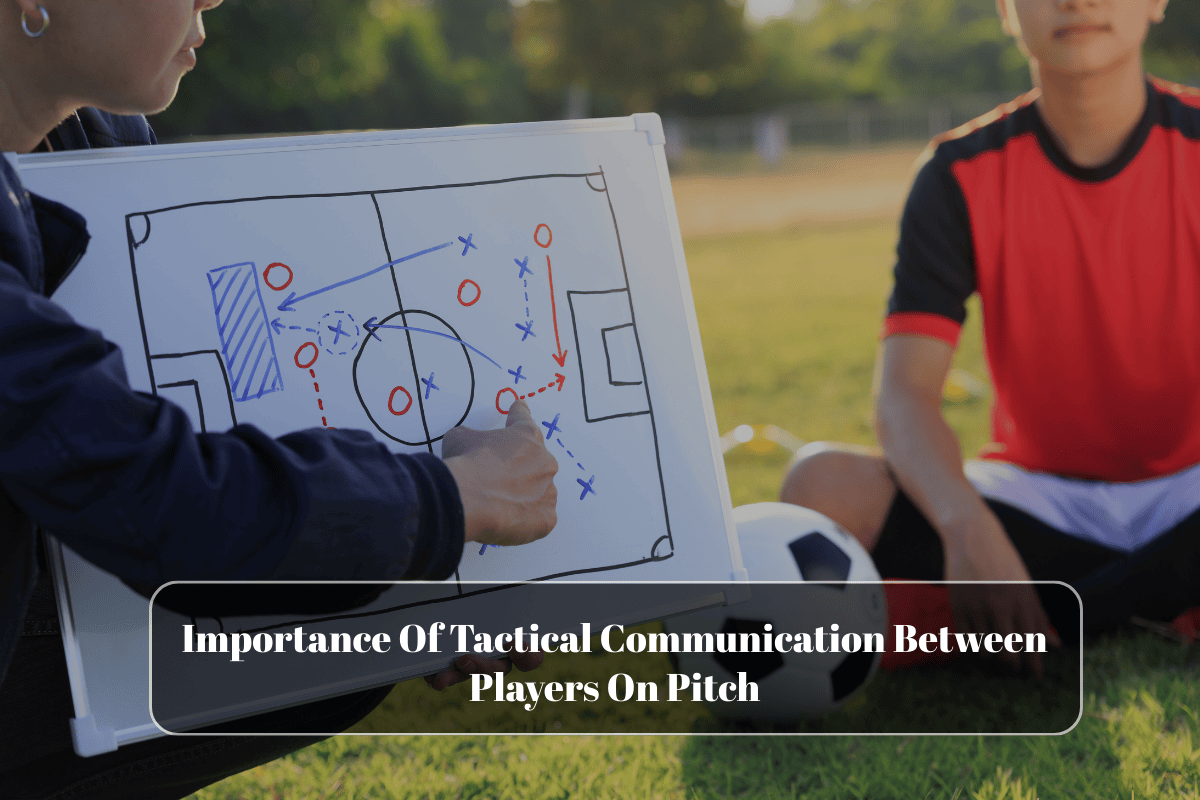
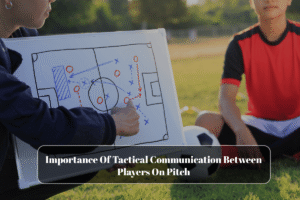
Halftime simulations replay first half, diagramming fixes on portable boards.
Communication and Leadership On-Field
Captains call audibles: “Box!” compacts midfield; “Stretch!” widens. Gestures like pointed fingers signal switches—thumbs up confirms understanding. Youth learn via U15 roles rotating leadership, building ownership. Sideline coaches use tablets for real-time replays, whispering cues to substitutes.
Substitutions as Tactical Weapons
Five subs allow role swaps: defensive mid for holding, pacey winger stretches tiring legs. Time entries—60th minute chases goals, 75th protects leads. Fresh legs press higher; train bench players mirroring starters’ roles.
Mental Preparation for Adaptability
Visualize scenarios: pre-game walkthroughs of “If X happens, Y response.” Post-match debriefs dissect reads—”Why miss their left-back push?” Growth mindset reframes errors as learning, building confidence for chaos.
MLS coaches like NYCFC’s Nick Cushing emphasize “tactical IQ” over athleticism.
Youth Training Progression
U12: Basic shapes, color-coded shifts. U15: Live triggers, captain calls. U17: Full 90-minute simulations with fatigue vests. Academy pros like Philadelphia Union integrate VR match readers, accelerating adaptation.
Measuring Adjustment Success
Track via WhoScored: shots faced pre/post-change, possession regained. Win probability models (xG shift +15% signals effective tweaks). Players self-assess: “Did I spot the cue early?”
Coaching Philosophy: Empower Players
Shift from dictation to facilitation—teach “why” behind shifts, fostering proactive reads. US Soccer’s Grassroots framework embeds adaptability from U6, paying dividends in MLS Next Pro.
FAQs
1. What’s the fastest formation switch?
15-20 seconds via pre-drilled calls; practice repositions without ball.
2. When to make first adjustment?
25-30 minutes if patterns fail; halftime for major overhauls.
3. How do youth learn live reads?
Video cues, shadow play, captain rotations building instinct.
4. Does sub timing matter more than type?
Yes—60′ chases goals, 80′ locks leads; fresh legs exploit fatigue.
5. Can small clubs compete tactically?
Absolutely—fluidity trumps talent; drills level playing field.