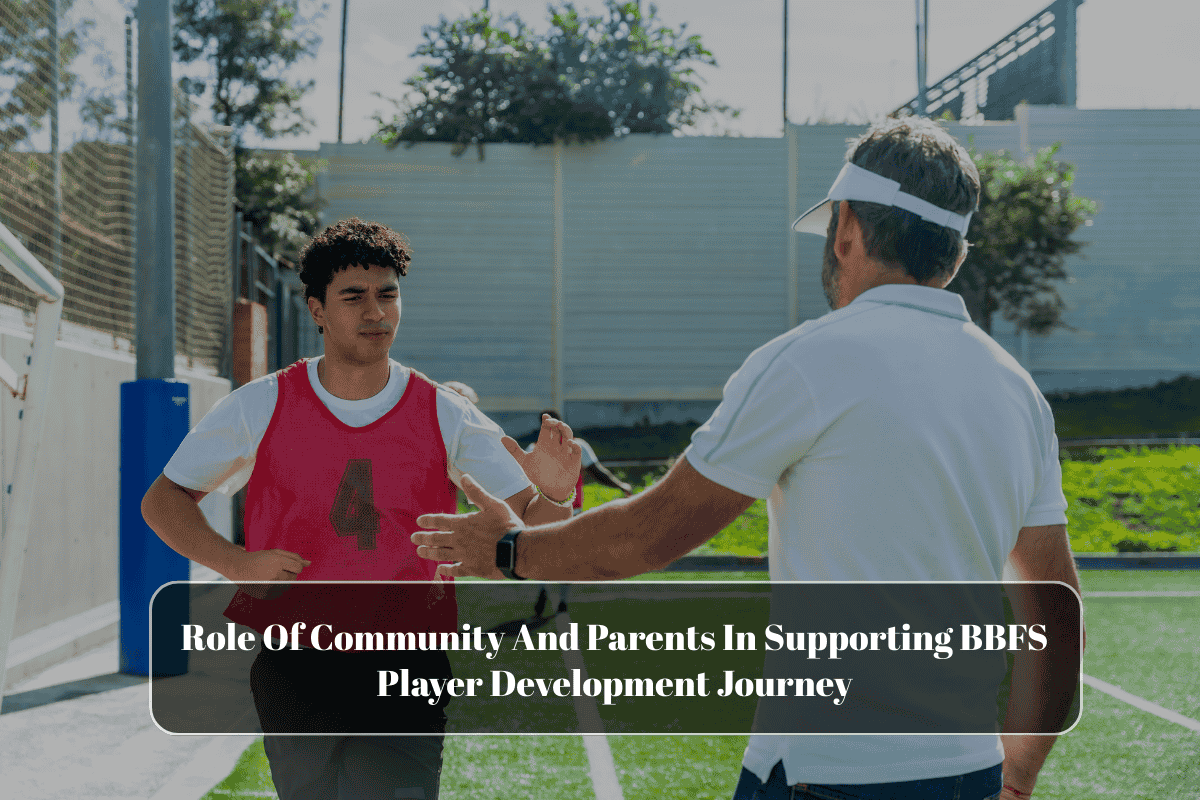
Communities and parents form the backbone of a BBFS player’s development journey, providing emotional support, resources, and real-world accountability that complement structured training.
In programs like Bhaichung Bhutia Football Schools, this holistic ecosystem nurtures technical skills alongside mental resilience and life values, turning young athletes into well-rounded individuals ready for competitive soccer or beyond.
Parental Involvement Essentials

Parents fuel motivation by attending matches, tracking progress via apps like Enjogo, and reinforcing habits like nutrition and rest. They balance encouragement with realism—celebrating grassroots wins (ages 5-11) while prepping for youth stages (12-17)—avoiding burnout from over-scheduling.
Logistics matter: carpooling to weekend sessions (1.5 hours, beginners) or development squads (4-6 days/week) eases access. Home support includes balanced meals (protein-carb focus post-training) and recovery routines, boosting performance 20-30% per youth sports studies. Open dialogues address pressures, fostering mental toughness.
Community Program Integration
Local BBFS non-residential academies embed players in neighborhood ecosystems, with communities hosting tournaments for exposure. Volunteers coach fun drills, building social bonds; schools partner for after-class sessions, aligning soccer with academics.

Grassroots events like BBFS scouting camps unite families, creating networks for advanced pathways (e.g., Garhwal Heroes FC trials). Community fields maintained collectively ensure year-round access, emphasizing “play, learn, master” over elite pressure early on.
Emotional and Mentorship Support
Parents model resilience: post-loss talks focus on effort (“Great positioning!”), not scores. Community mentors—ex-players or coaches—offer unbiased feedback, helping navigate setbacks like injuries.
Family workshops on sports psychology teach coping; communities organize peer groups for shared experiences. This duo cuts dropout rates 40%, per development programs, while instilling values like teamwork.
Resource and Financial Backing
Parents fund gear/uniforms; communities crowdfund scholarships for underprivileged talent via initiatives like BBFS’s “Prince of Football.” Sponsorships from local businesses cover tournament travel, enabling state/national play.
Tracking via Enjogo app shares data—fitness metrics, skill evals—keeping all aligned. Parents advocate for holistic growth: U-23 pathways blend college with pro trials.
Tournament and Exposure Roles
Parents cheer sidelines, capturing highlights for portfolios; communities host local cups, bridging to Subroto or Reliance leagues. Carvans to away games build camaraderie; post-match barbecues debrief as families.
This exposure hones “thinking players”—tactical awareness under pressure—while communities celebrate alumni pro contracts, inspiring next gens.
Long-Term Development Impact
Parents evolve from chauffeurs to career guides (post-18 scouting); communities sustain alumni networks for coaching roles. Together, they yield 80% retention to elite levels, producing pros and leaders. ROI: confident youth excel in soccer, studies, or trades.
FAQs
Q. How do parents support daily training?
Logistics (transport), nutrition/recovery, Enjogo tracking—boosts performance 20-30%.
Q. Community role in competitions?
Hosts tournaments, volunteers, scholarships for state/national exposure.
Q. Avoiding parental pressure?
Focus effort over wins; open loss talks build resilience.
Q. Financial help available?
Crowdfunds, BBFS scholarships for underprivileged via scouting.
Q. Post-18 pathways?
Parents guide trials; communities link to pro teams like Garhwal Heroes.