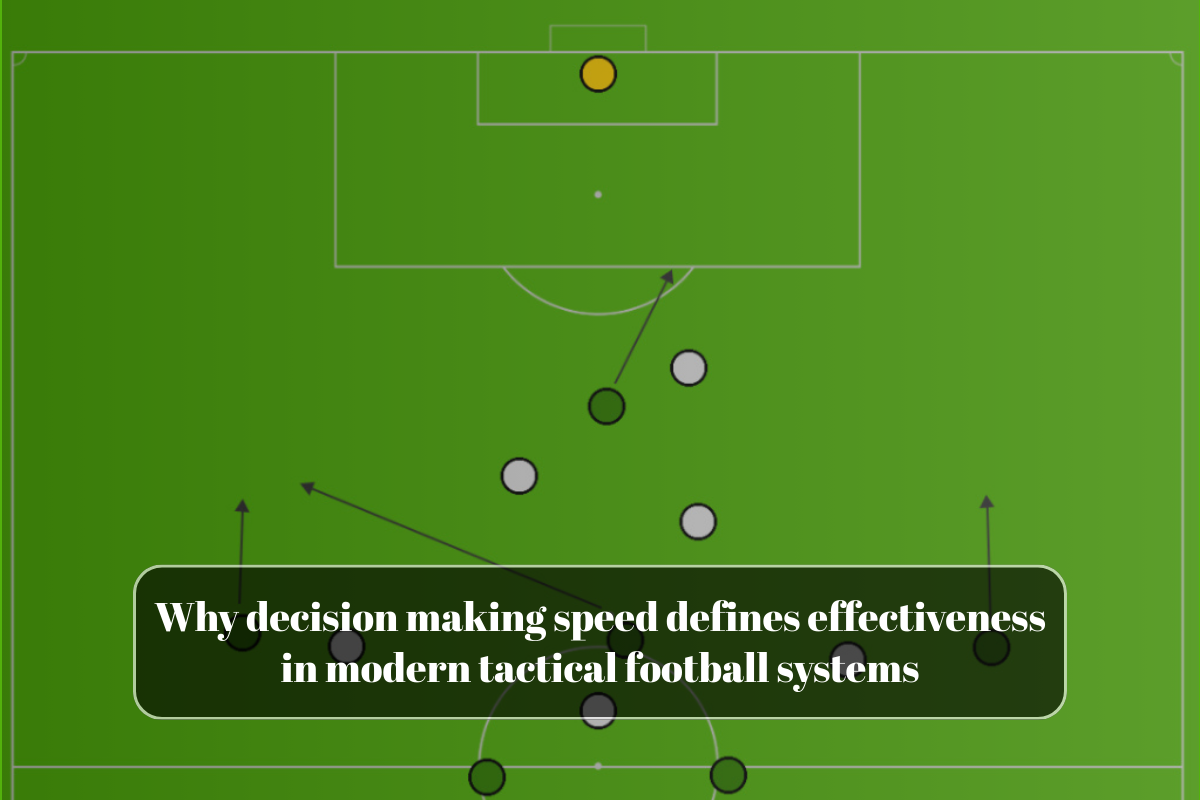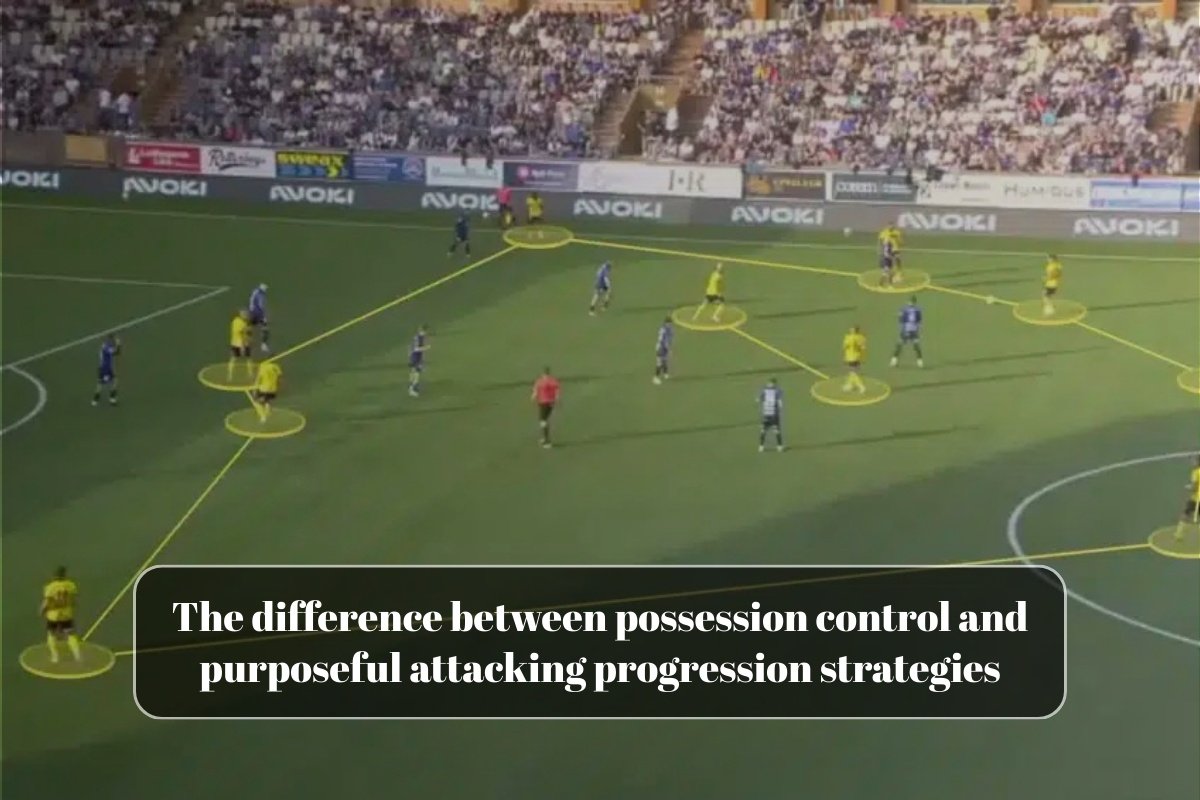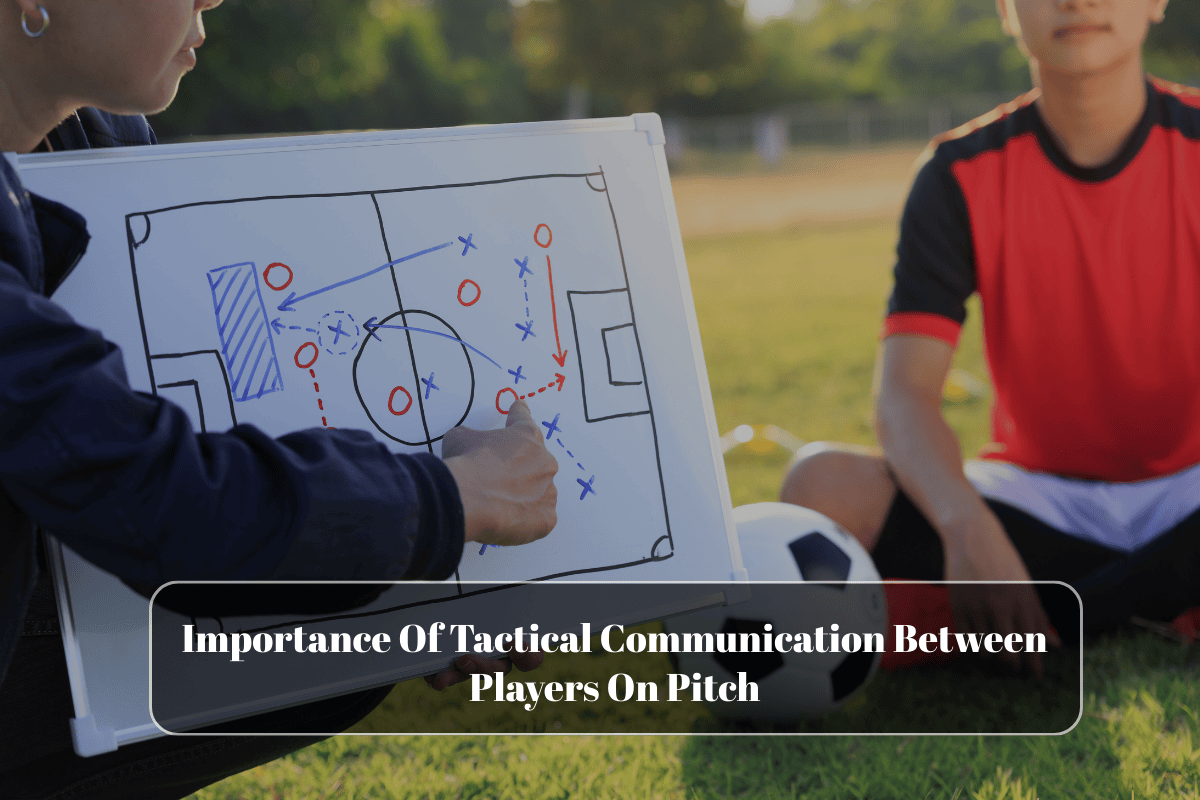
Modern football demands high-intensity pressing and defensive compactness to regain possession quickly and control space, as seen in U.S. MLS academies and college programs like those at Indiana University. Pressing triggers cue collective action, while compactness keeps lines 10-15 meters apart to limit options. Coaches teach these via progressive drills, adapting to formations like 4-3-3 or 3-4-3 for youth to pros.
Understanding Pressing Triggers
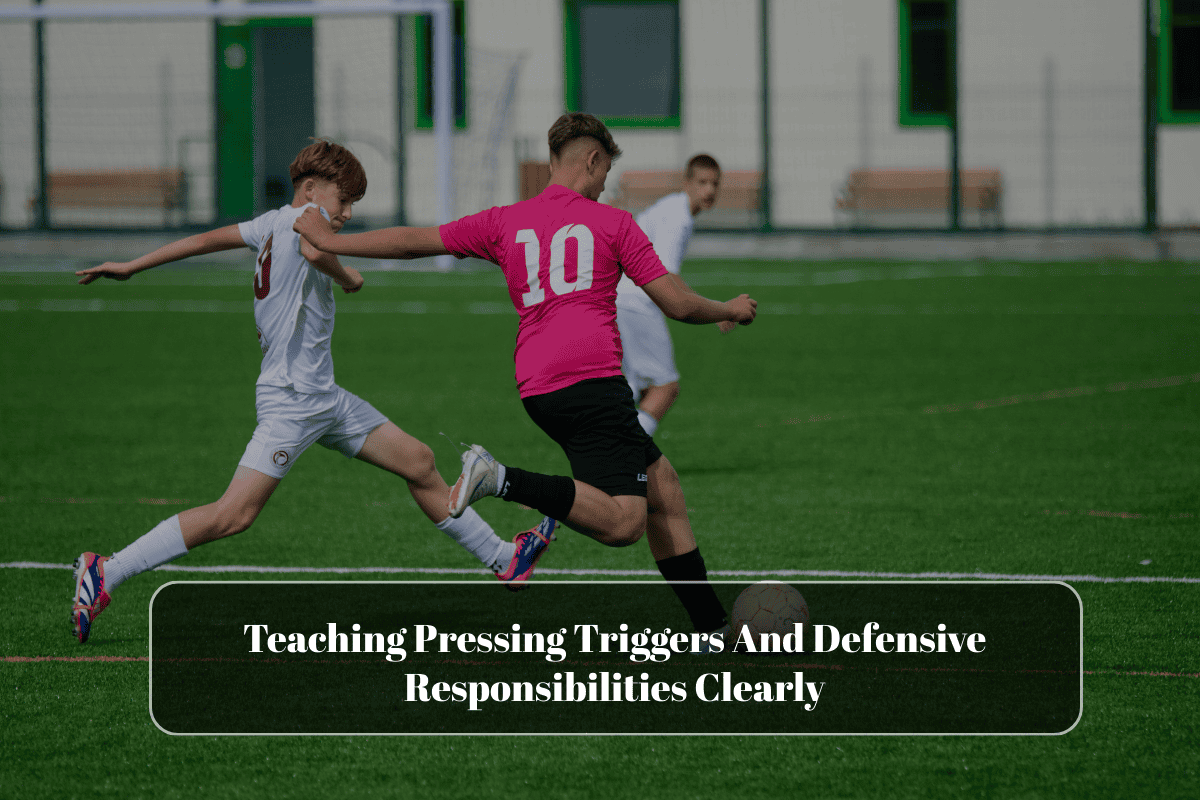
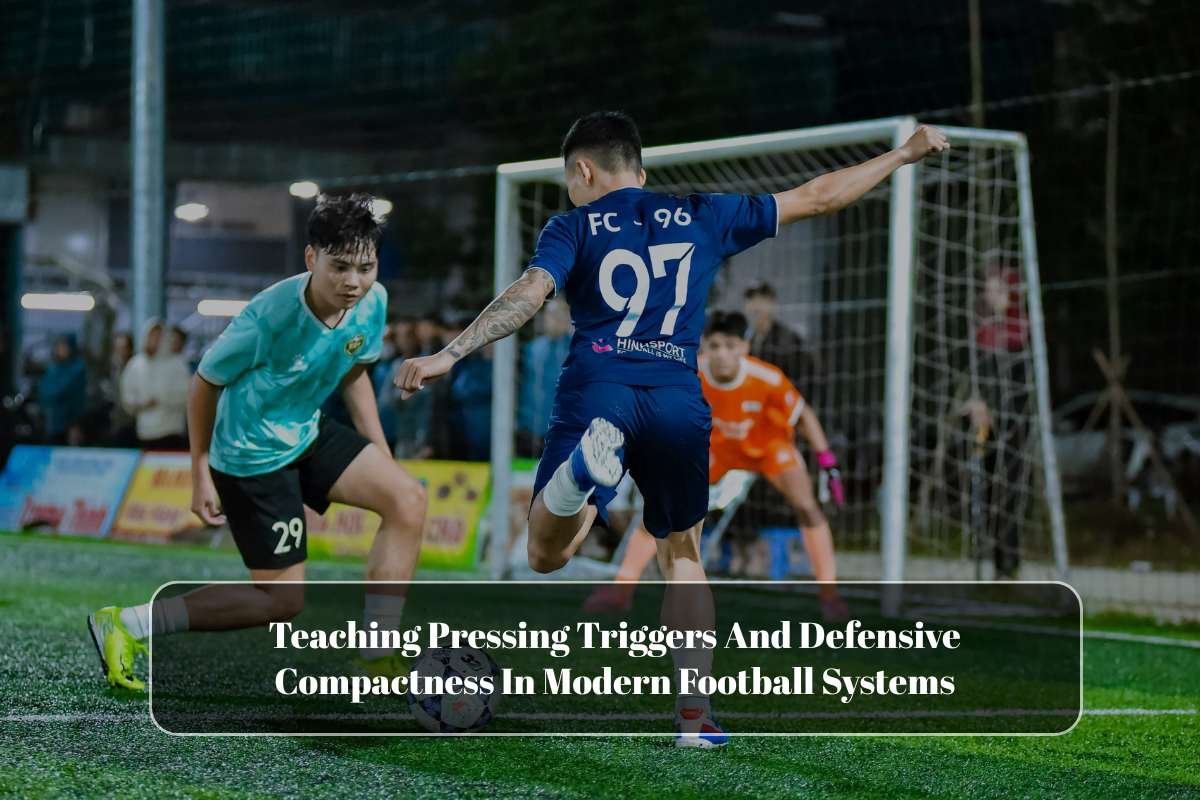
Pressing triggers are cues signaling immediate action to disrupt opponents. Primary ones include poor first touch, back pass to weak foot, facing own goal, slow pass/reaction, or ball to touchline.
S.A.G.S. strategy (Sprints, All-in, Going-in, Second-wave) activates: Nearest player sprints controlled (slow last 2-3 yards), forces sideways/backward, team supports. Avoid pressing on clear forward options or unbalanced recovery.
Defensive Compactness Principles
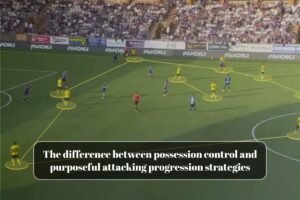
Compactness squeezes space vertically/horizontally, preventing passes through lines. Maintain 10-15m between defense/midfield; shift as unit on triggers.
Four pillars: Pressure (nearest engages), Cover (angled support 3m back), Balance (far-side protection), Compactness (collective squeeze). Traps force errors in zones.
Coaching Sessions for Youth
Activation: Rondo games teach triggers—press poor touch.
Small-Sided: 8v7 possession; defenders press compact, drop if bypassed.
Team Games: 11v11 middle-third, focus shape/shift.
Progress: Individual pressure → 2-player coordination → full-team.
Formation-Specific Applications
4-3-3: Front three pressure backline, midfield cover, defense pushes.
3-4-3: Wing-backs balance width, mids cover switches.
Counter-press within 5 seconds post-loss.
Common Mistakes and Fixes
Mistake 1: Individual presses—fix with coordination. 2: Slow approach—explosive steps. 3: Gaps—unit movement. 4: Constant press—selective triggers.
MLS and College U.S. Context
U.S. Soccer’s PDI emphasizes positionless pressing; MLS Next academies drill Gegenpress like Klopp. Indiana Hoosiers use compactness for NCAA success.
Measuring Progress
Track regains high, PPDA (passes per defensive action), compactness via GPS distances.
FAQs
Q. What are main pressing triggers?
Poor touch, weak foot back pass, facing goal, slow pass/reaction, touchline ball; activate S.A.G.S..
Q. How to maintain defensive compactness?
10-15m lines, unit shift; pressure/cover/balance pillars squeeze space.
Q. Best drills for teaching pressing?
Rondos (triggers), 8v7 (compact drop), 11v11 (shape).
Q. Counter-pressing rule?
Regain within 5 seconds post-loss before reorganizing.
Q. Formation adaptations?
4-3-3: Front pressure; 3-4-3: Wing-back balance.