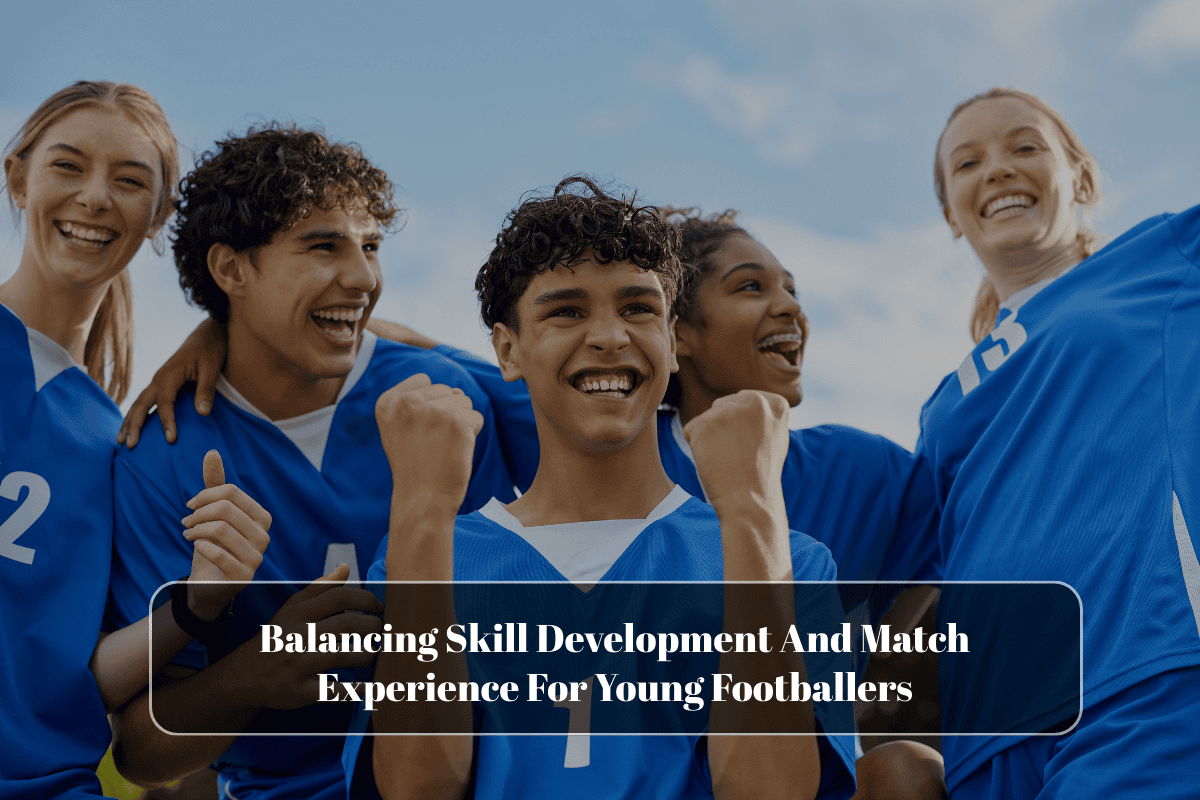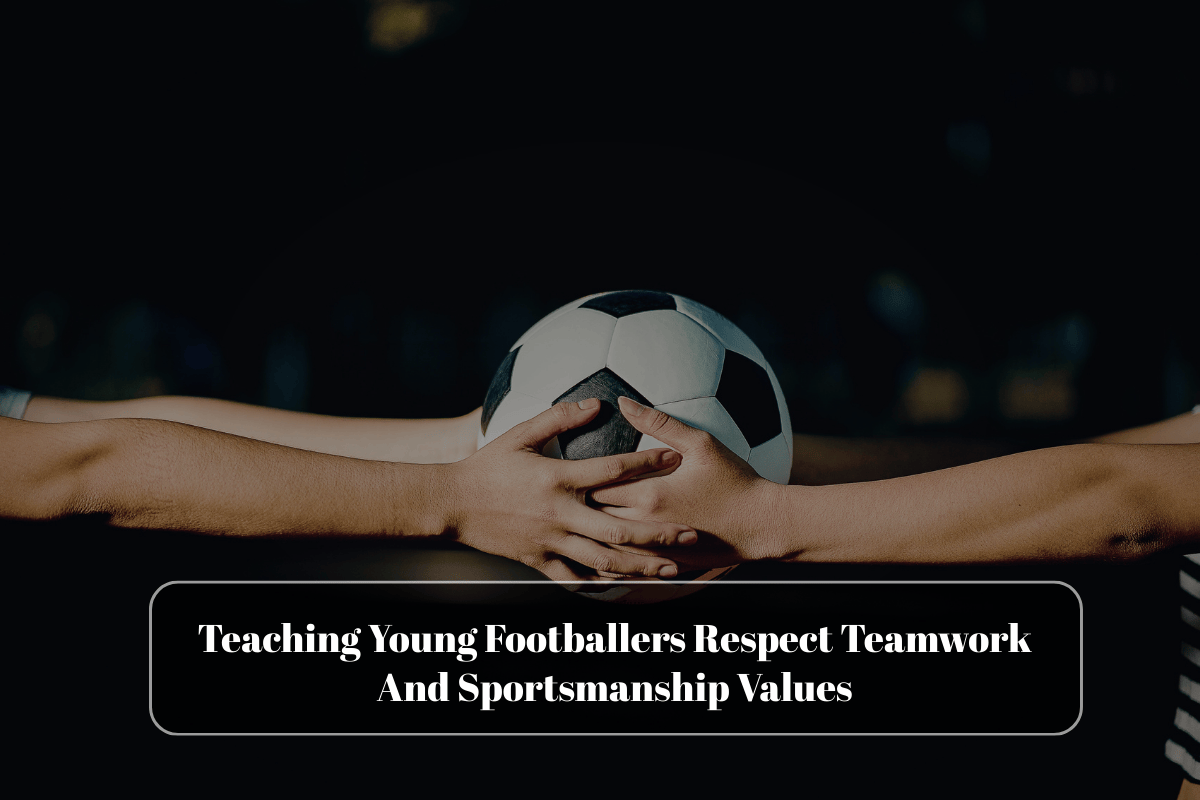
Coaching youth football instills respect, teamwork, and sportsmanship as foundational values, shaping character beyond the field while enhancing performance. In U.S. programs like AYSO and US Youth Soccer, age-appropriate drills and discussions transform games into life lessons, reducing conflicts and building resilient players from U-6 to U-19 levels.
Core Principles in Practice
Start sessions with “value huddles”: 5-minute talks defining respect (listening to coaches/referees), teamwork (passing over showboating), and sportsmanship (congrats on good plays). Reinforce via “no-complaint zones” during matches—no arguing calls, focus on next play. Studies show such routines cut unsportsmanlike conduct by 50% in youth leagues.
Drills Building Teamwork

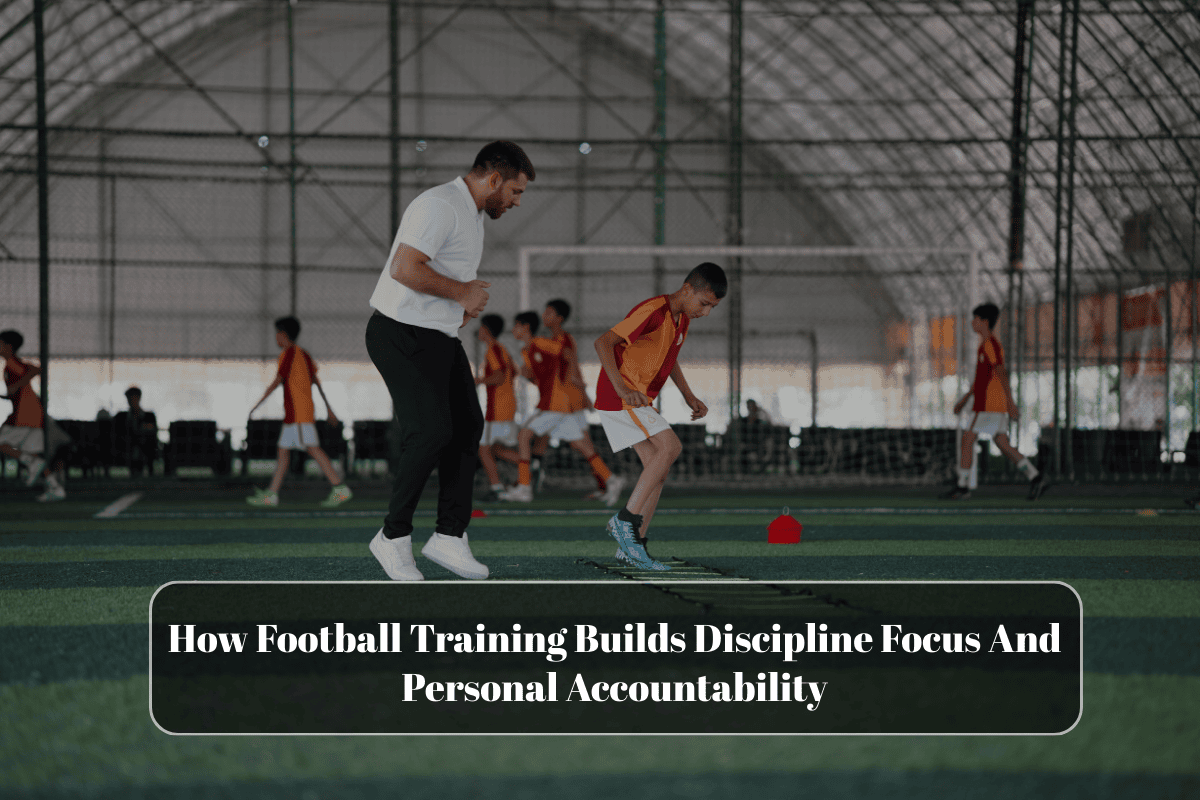
Small-sided games (3v3 or 4v4) force collaboration: every player touches ball before shots, teaching unselfish play. “Mirror drills” pair kids to sync movements, emphasizing trust. Relay races with shared balls promote communication—”I’ve got your back!” chants build unity. Rotate positions weekly so all experience roles, fostering appreciation for teammates’ strengths.
Respect Through Role-Playing
Scenario skits simulate conflicts: arguing with refs, trash-talking opponents. Practice responses like “Yes sir/ma’am” or handshakes post-whistle. Guest refs join practices, modeling calm authority. Award “Respect Chains” (beaded necklaces) for positive interactions, redeemable for team privileges. Parents sign “Respect Pledges,” aligning home reinforcement.
Sportsmanship Rituals
Mandatory post-game handshakes include eye contact and “Good game!” exchanges, even in losses. “Opponent Praise” rounds highlight rivals’ skills—”Their #7 had great speed!” Losers host victory laps, clapping winners. Coaches sit out intense moments, letting captains lead, modeling deference to game spirit over winning.
Age-Tailored Approaches
U-8: Fun games like “Compliment Soccer” (praise after passes). U-12: Deeper talks on inclusivity, subbing weaker players. U-16: Analyze pro clips of fair play (e.g., Pulisic’s humility), debate ethics. High school: Peer-led seminars on social media sportsmanship, tying to college scouts’ values.
Parental and Community Integration
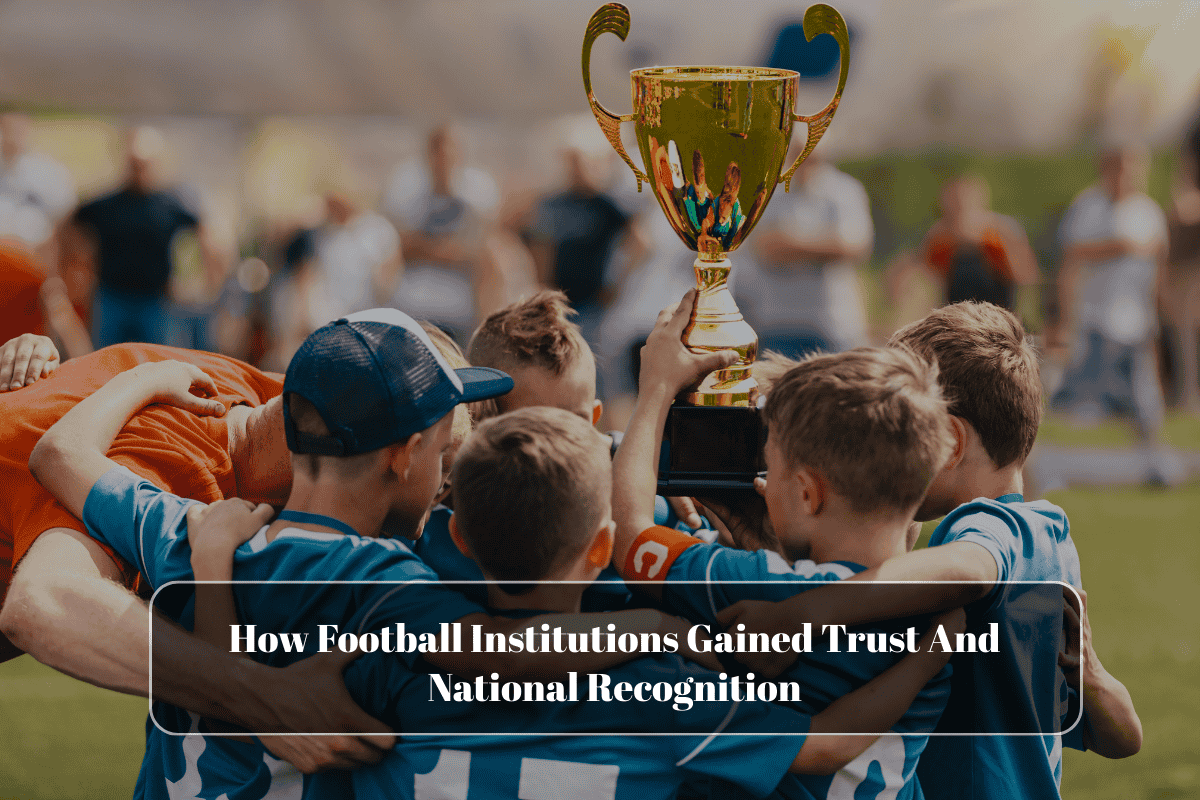
Workshops teach parents cheering guidelines—no sidelines yelling. Partner with schools for assemblies featuring ex-pros like Tim Tebow on character. Track progress via journals: weekly reflections on “one teamwork win.” Celebrate milestones with banquets honoring “Spirit Awards” over MVP-only.
Measuring Character Growth
Pre/post surveys gauge shifts: “I help teammates” scales rise 30-40%. Video reviews of games highlight positives publicly. Reduced yellow cards and parent complaints signal success. Long-term: Alumni report stronger workplaces, crediting youth lessons.
Overcoming Challenges

Address pushy parents via private chats, emphasizing kids’ joy. Handle bullies through one-on-one mentoring, turning them into captains. Diverse teams model respect across cultures, vital in multicultural U.S. leagues.
These methods create players who win gracefully, lose nobly, and lift others—values enduring far beyond cleats.
Frequently Asked Questions
1. How young to start these values?
U-6 with simple huddles and handshakes; adapt fun drills by age.
2. What drills best teach teamwork?
Small-sided games and relays forcing shared ball touches.
3. How to enforce sportsmanship in losses?
Mandatory praise rounds and hosting winners’ laps.
4. Involve parents how?
Pledges, workshops, and positive-only cheering rules.
5. Measure progress effectively?
Surveys, game videos, and reduced misconduct stats.