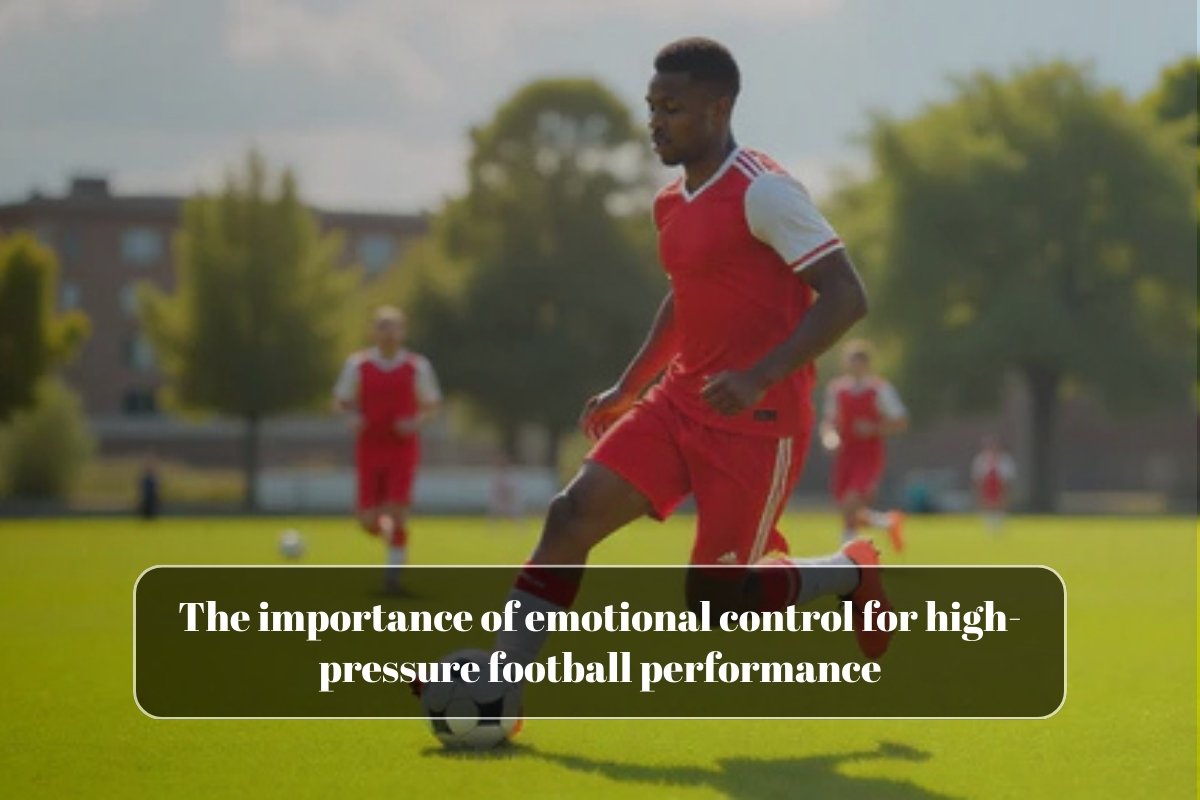
Football, like many competitive sports, is not just about physical prowess but also mental fortitude. Players are often thrust into high-pressure situations, where the outcome of the game can depend on a single play, decision, or moment of focus.
Emotional control, therefore, becomes a critical factor in determining how well a player performs under these conditions. In high-pressure moments, emotions like anxiety, frustration, and excitement can overwhelm players, leading to mistakes, poor decisions, or even a complete loss of focus.
In this article, we explore why emotional control is crucial for high-pressure football performance and how players, coaches, and teams can work together to foster this critical mental skill.
1. Understanding the Role of Emotions in Football Performance
Emotions are a natural part of any sport, especially football, where the stakes are high, the crowds are loud, and every play can significantly influence the outcome of the game. Emotions such as excitement, anxiety, stress, and anger can all affect a player’s performance, either positively or negatively.
The Impact of Emotional States:
- Positive Emotions: Feelings of excitement and motivation can enhance performance by increasing focus, energy, and determination. Athletes who are emotionally “in the zone” often experience heightened awareness and fluid decision-making.
- Negative Emotions: On the other hand, emotions such as anxiety, frustration, and anger can cloud judgment, decrease concentration, and lead to impulsive actions. For example, a player who is frustrated after a mistake may lose composure and commit more errors.
Emotional control is the ability to manage these emotions effectively, preventing them from interfering with the player’s performance. Players who can stay calm and composed are better equipped to execute their skills under pressure, stay focused on the task at hand, and make rational decisions.
2. The Psychological Effect of High-Pressure Situations

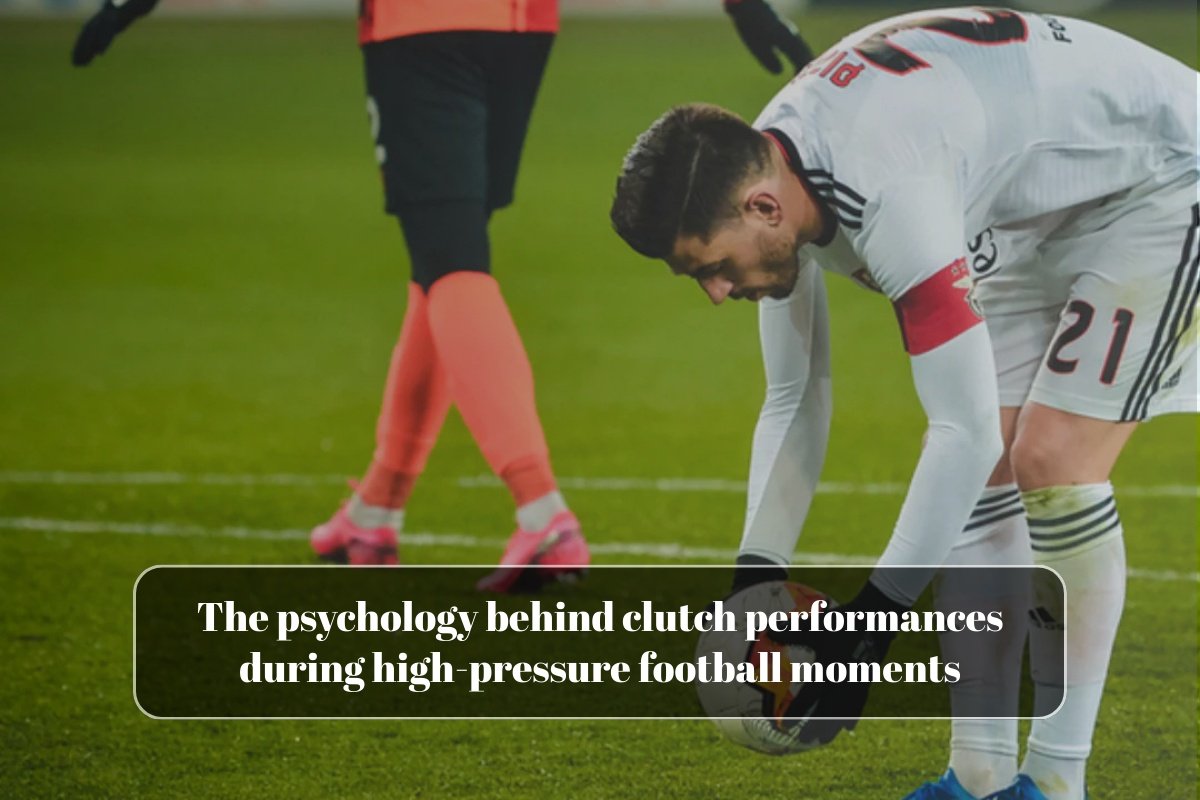
Football is filled with high-pressure moments, such as taking a penalty kick, defending in the final minutes of a match, or making critical decisions under time constraints. These situations trigger the body’s “fight or flight” response, which can lead to an increase in adrenaline, heart rate, and stress levels. While some athletes thrive under pressure, others may struggle, especially if they lack emotional control.
The Effects of Stress and Anxiety:
- Decision-Making Impairment: High levels of stress can cloud judgment, causing players to make rushed or poor decisions. For instance, a player who is overwhelmed by the pressure of the moment may attempt a risky pass or miss a simple opportunity because they fail to evaluate the situation calmly.
- Physical Symptoms: Emotional stress can also cause physical symptoms like tension, fatigue, or a lack of coordination. A player who is emotionally overwhelmed may experience shaky hands, muscle tightness, or difficulty focusing, all of which impair performance.
- Mental Fatigue: Sustained stress over the course of a match can lead to mental fatigue, reducing a player’s ability to focus and execute skills consistently. When under pressure, the brain may become overloaded, making it harder to remain sharp and engaged.
Players with strong emotional control can mitigate these psychological effects, maintaining clarity and focus even in the most intense moments.
3. The Link Between Emotional Control and Performance Consistency
Emotional control is not just about staying calm in high-pressure moments; it’s also about maintaining consistency throughout the game. Football is a dynamic, fast-paced sport where momentum can shift quickly. Teams that can control their emotions and remain composed throughout the match are more likely to sustain their performance levels.
Emotional Control Leads to:
- Consistency in Decision-Making: Players who are emotionally controlled tend to make better decisions consistently throughout the game. They don’t let a bad pass or a missed opportunity derail their performance. Instead, they stay focused and make decisions based on strategy, not on emotional reactions.
- Composure Under Pressure: The ability to remain composed during crucial moments, such as when holding a lead or defending in the final minutes, can make the difference between winning and losing. Emotional control helps players stay confident and focused when it matters most.
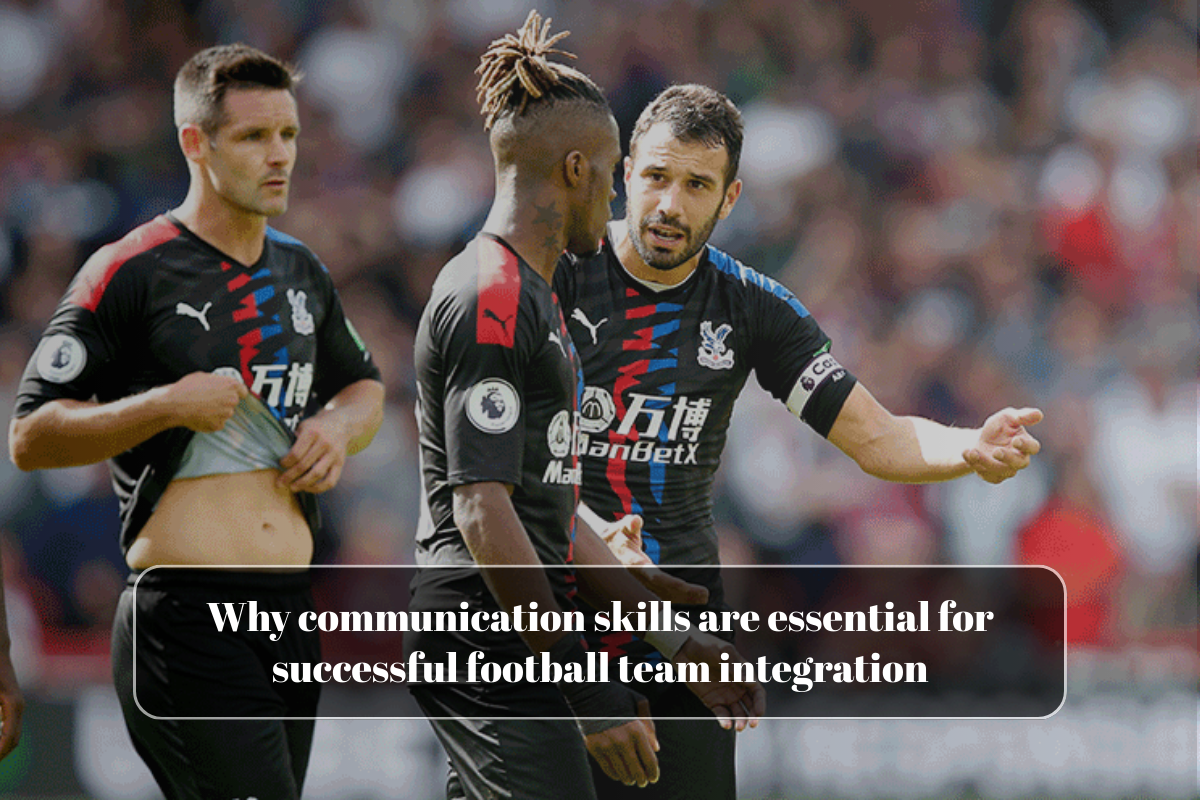
- Team Cohesion: Football is a team sport, and individual emotions can affect the entire team’s dynamics. A player who can manage their emotions is more likely to stay focused on the team’s objectives, communicate effectively with teammates, and maintain morale even when the game becomes challenging.

By practicing emotional regulation, players can ensure that they maintain a high level of performance, regardless of the emotional ups and downs of the game.
4. Strategies for Developing Emotional Control in Football
Emotional control is a skill that can be developed and refined over time. Here are some strategies that players, coaches, and teams can use to foster better emotional regulation and improve high-pressure performance.
Key Strategies:
- Mindfulness and Relaxation Techniques: Mindfulness exercises, such as deep breathing, meditation, or visualization, can help players calm their nerves and center their focus. Practicing these techniques regularly can help players remain calm and composed during high-pressure moments on the field.
- Mental Training and Cognitive Behavioral Techniques (CBT): CBT helps players identify negative thought patterns and replace them with more positive, constructive thoughts. Players can learn to reframe anxiety or frustration into motivation and focus, rather than allowing these emotions to overwhelm them.
- Simulation of Pressure Situations: Coaches can create high-pressure scenarios during training to help players become more accustomed to stressful moments. For example, practicing penalty kicks in front of a large crowd or defending a high-pressure situation during a scrimmage can help players learn to manage their emotions in real-life game situations.
- Goal Setting and Focus on Process: Focusing on specific goals, such as improving passing accuracy or defensive positioning, rather than the outcome of the game, can help players maintain control over their emotions. When players focus on the process and their individual performance, they are less likely to be distracted by external pressures.
- Team Support and Communication: Building strong relationships and communication within the team creates a supportive environment where players can help each other remain calm and composed. Positive reinforcement and encouragement can help players manage anxiety and stay mentally focused during the game.
By integrating these strategies into training routines, players can develop greater emotional control, which will directly improve their performance under pressure.
5. The Role of Coaches in Promoting Emotional Control
Coaches play a critical role in helping players develop emotional control, especially in high-pressure situations. Through leadership, guidance, and mentorship, coaches can create an environment that promotes emotional stability and resilience.
Ways Coaches Can Promote Emotional Control:
- Modeling Calmness: Coaches should model emotional control themselves, remaining calm and focused during high-pressure moments. Players will look to their coaches for cues on how to handle stress, so coaches who demonstrate composure in challenging situations set an example for their team.
- Fostering a Positive Team Culture: Encouraging an environment where mistakes are seen as learning opportunities, rather than failures, can help reduce the emotional burden on players. Coaches should emphasize teamwork, resilience, and the importance of staying focused on improvement.
- Providing Emotional Support: Coaches can create an open and supportive environment where players feel comfortable discussing their emotions and challenges. This helps players develop coping strategies and fosters a sense of trust and understanding within the team.
By providing guidance and emotional support, coaches can help players stay mentally strong, even during the most intense moments of the game.
6. The Impact of Emotional Control on Long-Term Success
Developing emotional control is not just important for individual performance in high-pressure moments; it also contributes to long-term success in football. Players who can manage their emotions are better equipped to handle the inevitable ups and downs of their careers, from injuries and losses to the pressure of competition and personal challenges.
Long-Term Benefits:
- Mental Resilience: Emotional control helps players build mental resilience, enabling them to bounce back from setbacks, stay motivated, and continue improving over time.
- Sustained Performance: Players who can regulate their emotions tend to maintain a higher level of performance consistently, reducing the impact of stress or negative emotions on their game.
- Leadership Qualities: Players who demonstrate emotional control often emerge as leaders within the team. They set the tone for composure and focus, inspiring their teammates to perform at their best, especially during difficult moments.
By cultivating emotional control, players not only improve their individual performance but also contribute to the long-term success of their team.
FAQs
How does emotional control impact football performance?
Emotional control allows players to stay focused, make better decisions, and avoid impulsive actions under pressure, leading to more consistent and effective performance.
What are some techniques for improving emotional control in football?
Mindfulness practices, mental training, visualization, and simulated high-pressure scenarios in training can help players develop emotional control.
How can coaches help players with emotional control?
Coaches can model emotional control, foster a positive team culture, provide emotional support, and teach players coping strategies to manage stress.
Why is emotional control important in high-pressure situations?
In high-pressure moments, such as critical match scenarios, players must maintain clarity and focus to execute plays effectively. Emotional control prevents negative emotions from interfering with decision-making.
Can emotional control be developed over time?
Yes, emotional control is a skill that can be developed through practice, mental training, and creating supportive environments for players to learn how to manage their emotions effectively.