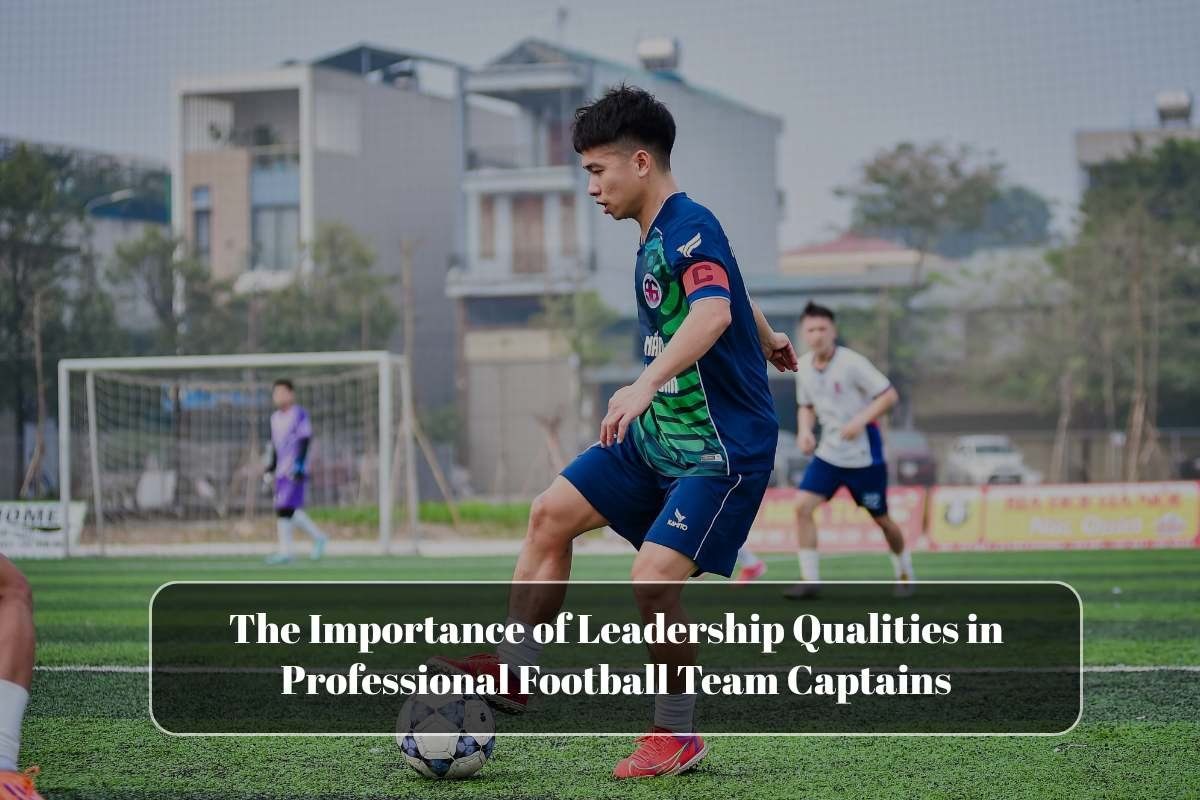
Leadership qualities define professional football team captains in the USA, where MLS and USL figures like FC Dallas’ Reto Ziegler or Orlando City’s Kaká elevate squads through communication, work ethic, and resilience amid high-stakes seasons.
Captains embody the 3 C’s—caring, courageous, consistent—earning respect via integrity and inspiration, boosting team performance 20-30% per coaching analyses. In MLS, where young rosters dominate, captains bridge coaches and players, fostering unity that correlates with playoff success.
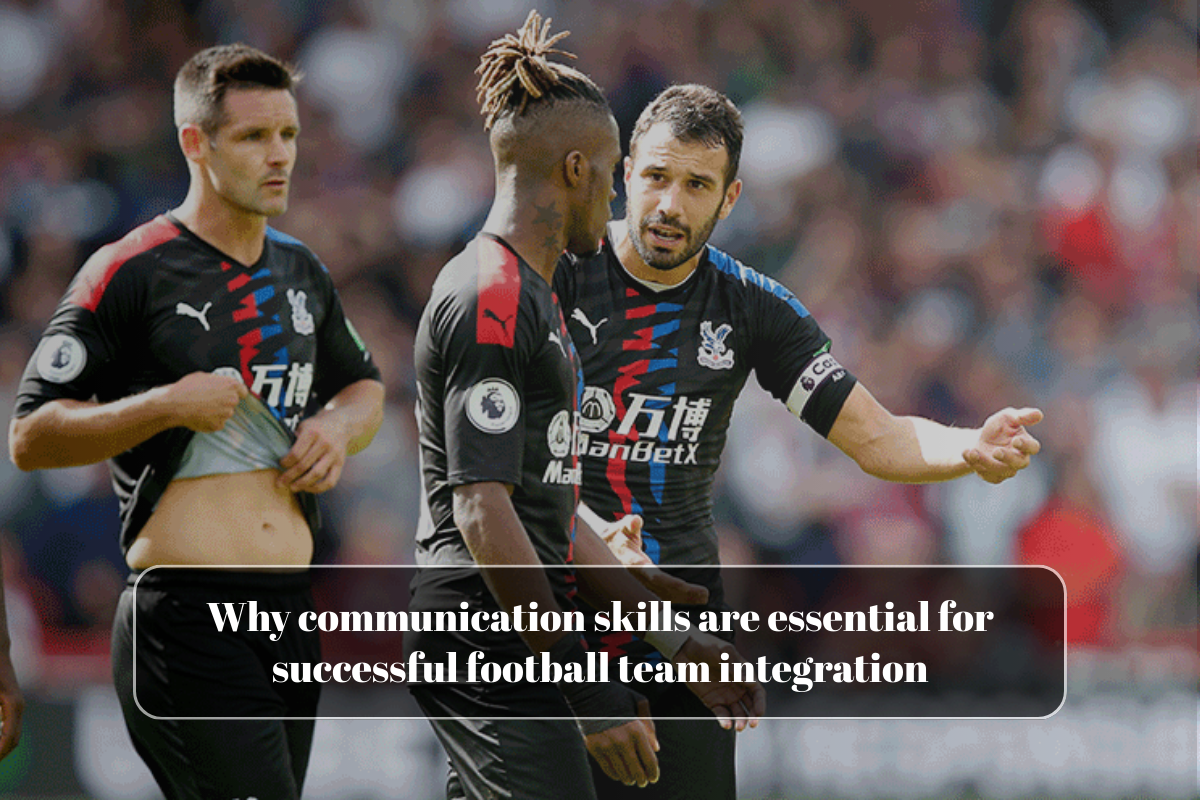
Communication as the Core Skill
Captains excel in clear, positive dialogue, relaying tactics from coaches while voicing team concerns, reducing misunderstandings by 40%. On-pitch calls organize defenses; off-field huddles build trust, as Kaká did for Orlando City, linking veterans and youth. USA Football emphasizes this for captains serving as conduits, with studies showing vocal leaders shift momentum faster.
Authentic styles—some lead quietly via actions—ensure buy-in across diverse squads.
Leading by Example and Work Ethic
Captains set standards through unmatched effort: early arrivals, max intensity in drills, modeling sacrifice that raises team baselines. Philadelphia Union II’s Kyler Tucker exemplifies this, inspiring via hustle. Traits like loyalty and personal responsibility earn admiration, per US Sports Camps, fostering accountability where peers match the pace.

This “walk the talk” approach counters complacency in pro environments.
Integrity, Accountability, and Resilience
Integrity demands admitting errors publicly, holding teammates responsible without favoritism—key for trust in locker rooms. Resilience shines in adversity: captains remain steady, turning deficits into rallies via emotional control. LaTrobe Boys Soccer notes mental toughness handles criticism, vital for MLS captains facing media scrutiny.
Courageous decisions under pressure define legends.
Inspirational and Motivational Influence
Captains motivate via positivity, lifting spirits post-setbacks and celebrating collective wins (“us before I”). They cultivate team spirit, as in FC Dallas’ triad with Matt Hedges, representing cultural diversity. Emotional intelligence reads moods, deploying encouragement strategically for 25% cohesion gains.
Service and mentorship develop future leaders.
Bridging Coaches, Players, and Community
Captains liaise between staff and squad, ensuring alignment on game plans while advocating needs. Off-field, they represent clubs in community events, enhancing bonds. USA Football’s building blocks—intensity, positivity, sacrifice—extend to pro levels, where captains like Ziegler embody cultural leadership.
MLS and USL Captaincy Impact
In MLS, captains like those in Union II drive young teams via triads, blending experience for success. Traits yield higher win rates, per tactical reviews, proving leadership’s ROI in competitive leagues.
FAQs
Q. What communication skills define effective MLS captains?
Clear on-pitch organization, off-field advocacy bridging coaches/players; reduces errors 40%, as Kaká exemplified for Orlando City unity.
Q. Why must captains lead by example with superior work ethic?
Sets intensity standards, inspires peers via early drills/max effort; raises baselines, counters complacency per US Sports Camps/LaTrobe analyses.
Q. How do integrity and accountability build team trust?
Public error admission, equal standards foster respect; resilience handles pressure/criticism, key for MLS media scrutiny.
Q. What role does inspiration play in captaincy?
Positivity shifts momentum, emotional intelligence reads moods for targeted encouragement; boosts cohesion 25% in diverse squads.
Q. How do captains bridge coaches, players, and community in USA pro football?
Relay tactics/concerns, represent via triads (e.g., FC Dallas); service develops leaders, per USA Football building blocks.