Pressing systems have transformed elite European football from reactive defending to proactive aggression, with leagues like the Premier League and Bundesliga leading tactical innovation through metrics like PPDA (Passes Per Defensive Action) dropping to sub-8 levels in top teams.
Pioneered by Total Football’s fluid pressure and revolutionized by Gegenpressing, modern high-intensity traps now dominate, boosting turnovers in the final third by 200% since 2015 per Stats Perform data. This evolution reflects data-driven coaching from Klopp to Slot, reshaping Europe’s top five leagues.
Origins: Total Football and Early Pressing
Total Football in the 1970s Ajax/Netherlands era introduced coordinated pressing to regain possession high up the pitch, emphasizing space compression over static lines. Dutch influence spread via coaches like Cruyff to Barcelona, laying foundations for positional pressing where fullbacks and midfielders swarm triggers like backward passes.
Bundesliga’s late 1960s Gegenpressing—immediate counter-pressure post-loss—emerged in Bayern/Hertha, but waned until revival; by 2012-13, 10/18 Bundesliga sides adopted it as standard.
Gegenpressing Revolution: Klopp’s Dortmund and Liverpool
Jürgen Klopp popularized Gegenpressing at Dortmund (2008-15), using 4-2-3-1 with front four pressing and holding mids covering, winning ball back within 5-8 seconds 70% of attempts. Liverpool (2015-24) peaked at 287 possessions won in attacking third (2021-22), 5.1x league average, blending chaos with structure via high lines and fullbacks like Alexander-Arnold as creators.
Klopp’s triggers—lost ball, poor touches—forced errors; Dortmund/Liverpool disrupted build-ups, transitioning vertically for goals.
Guardiola’s Positional Pressing: Precision Over Intensity
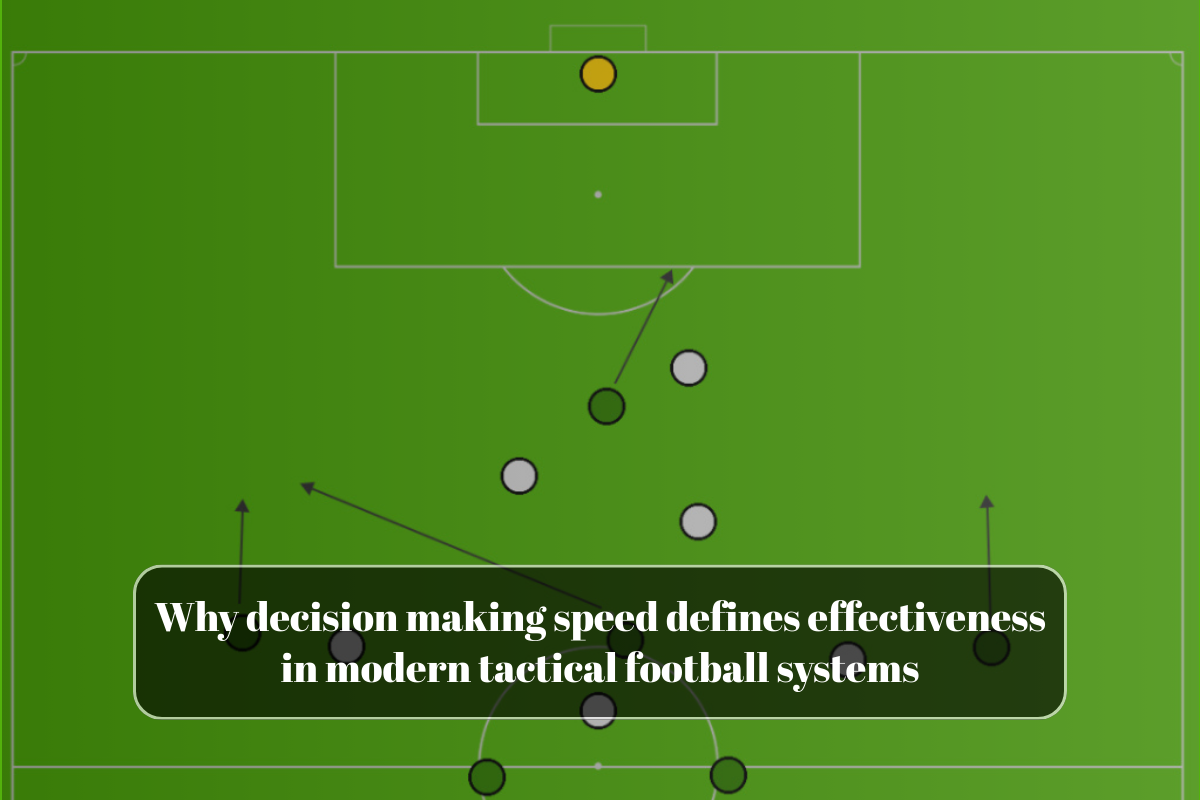
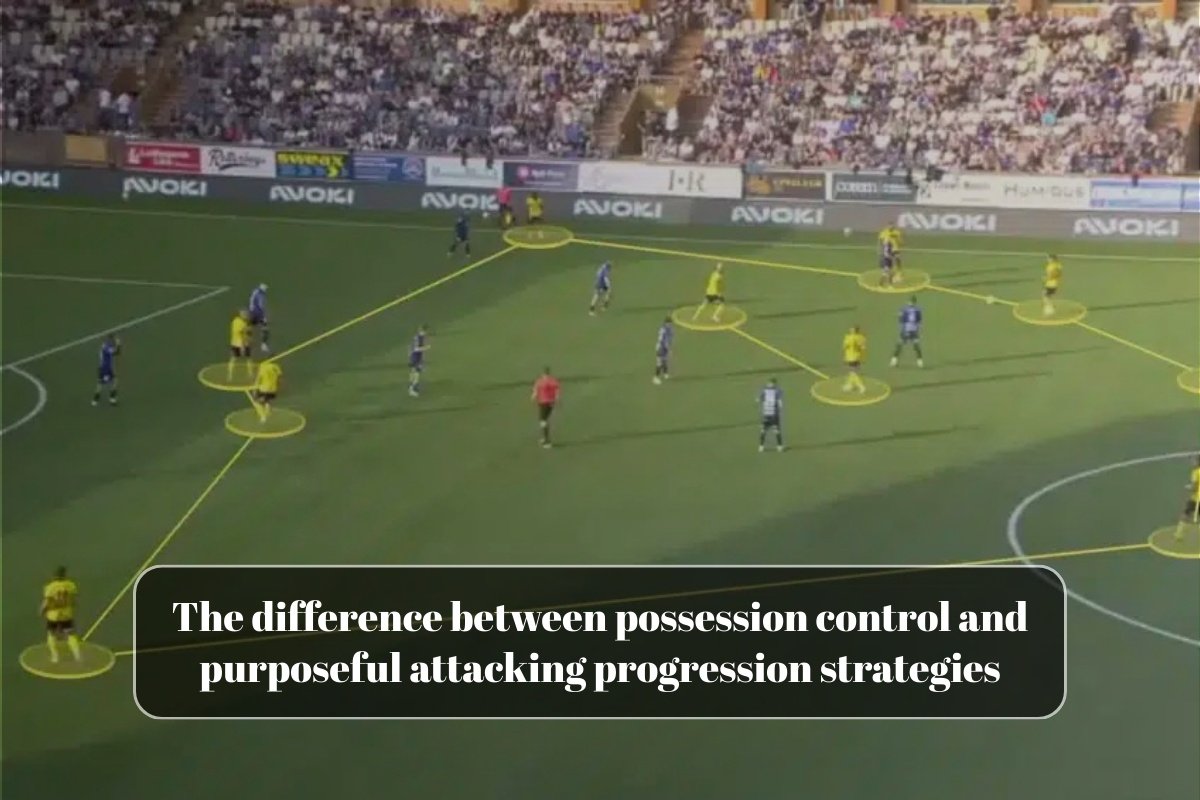
Pep Guardiola refined hybrid pressing at Barcelona/City: structured traps cut lanes while maintaining shape, using “rest defense” where midfield drops selectively. Manchester City’s high press coordinates via next-pass focus, with 4.1 PPDA leading Europe; hybrid mid-blocks adapt to foes.
Unlike Klopp’s frenzy, Pep’s emphasizes triggers/positioning, forcing sideways passes (Bournemouth-style width denial).
Simeone and Atletico: Mid-Block Mastery
Diego Simeone’s Atletico Madrid perfected compact mid/ low blocks with selective counters, conceding least in La Liga via zonal marking and rapid transitions. 2024-25 data shows Ligue 1’s Lens/Lille adopting aggressive PPDA/BDP (Build-up Disruption Pressure), blending Simeone’s discipline with high intensity.
Modern Hybrid Systems and Data Evolution (2020s)
2024-25 top leagues show pressing evolution: Premier League’s Slot/Arteta hybrids dominate with mid-block traps; Bochum dropped from PPDA leaders to mid-table, while Marseille/Lyon surged. Metrics like PPDA, BDP, and opponent width reveal multi-dimensional pressure—Tottenham forces extremes in width/directness, denying progression.
6G-era AI analyzes explosive actions (accelerations/decelerations), tailoring positional demands; women’s leagues mirror men’s high-intensity shifts.
Frequently Asked Questions (FAQs)
Q. What is Gegenpressing, and who popularized it?
Immediate high counter-pressure post-loss; Klopp at Dortmund/Liverpool, winning ball back in 5-8s 70% time.
Q. How does Guardiola’s pressing differ from Klopp’s?
Positional/hybrid with triggers vs. intense frenzy; City leads PPDA at 4.1 via lane-cutting/rest defense.
Q. What metrics measure pressing effectiveness?
PPDA (passes allowed pre-action), BDP, opponent width/directness; top teams sub-8 PPDA.
Q. How has 2024-25 pressing evolved in Europe?
Hybrids thrive—Premier League Slot/Arteta mid-blocks; Ligue 1 Lens aggressive surges per Soccerment data.
Q. Why did Total Football influence modern pressing?
Fluid space compression/high regains; basis for Ajax/Barca systems evolving to Gegenpressing.